
HOME
Taraftarium 24: Destination for Sports Enthusiasts


In a world where sports are more than just games, Taraftarium 24 has emerged as the ultimate destination for fans looking to immerse themselves in their favorite sports. Whether you’re an ardent follower of football, basketball, or any other thrilling sport, Taraftarium 24 offers an experience that goes beyond traditional spectating. This blog post will take you on a tour of what Taraftarium 24 has to offer, ensuring that sports enthusiasts like yourself get the most out of your game-day experience.
What is Taraftarium 24?
At its core, Taraftarium 24 is a hub for sports lovers. It provides an all-encompassing platform where fans can engage with their favorite sports, teams, and events. Unlike other platforms, Taraftarium 24 focuses on delivering a holistic experience that caters to the needs of its community. Here, fans can find live streams, news, scores, and even interactive features that allow them to be a part of the action.
The constant evolution of digital technology has transformed the way fans interact with sports. Taraftarium 24 leverages this technology to bring the stadium atmosphere right to your screen. With its user-friendly interface and seamless navigation, you can easily browse through different sports categories and find the content that excites you the most. From live match coverage to expert analyses, everything is just a click away.
What sets Taraftarium 24 apart is its commitment to enhancing fan engagement. The platform goes beyond mere broadcasting by creating a space for fans to connect, discuss, and share their thoughts with fellow enthusiasts. This sense of community fosters a deeper connection to the sports you love, making every match feel like a shared adventure.
Why Choose Taraftarium 24?
When it comes to choosing a platform for sports content, Taraftarium 24 stands out for several reasons. First and foremost, it offers unparalleled access to a wide range of sports, ensuring that no matter your interest, there’s something for you. Whether you’re a die-hard football fan or someone who enjoys the occasional tennis match, Taraftarium 24 covers it all.
One of the standout features of Taraftarium 24 is its dedication to providing high-quality streaming services. Gone are the days of pixelated screens and incessant buffering. With advanced streaming technology, you can enjoy a crisp and uninterrupted viewing experience, allowing you to focus solely on the thrill of the game.
Furthermore, Taraftarium 24 is not just about watching sports; it’s about experiencing them. The platform incorporates interactive features that allow you to engage directly with the content. You can participate in live polls, chat with other fans during matches, and even have your say in post-match discussions. This level of interactivity transforms passive viewing into an active and enjoyable experience.
Exploring the Features of Taraftarium 24
Taraftarium 24 is designed with the sports enthusiast in mind, offering a suite of features that cater to various interests. One of the most notable aspects is its comprehensive coverage across multiple sports. Football, basketball, tennis, and more are just a few of the options available, each with dedicated sections containing news, fixtures, and results.
Live streaming remains at the heart of Taraftarium 24’s offerings. The platform provides real-time broadcasts of major sporting events, allowing you to catch every critical moment as it unfolds. With reliable streaming services, you can watch your favorite teams and athletes perform without missing a beat.
Beyond live coverage, Taraftarium 24 offers insightful analyses and commentary. Expert pundits provide in-depth breakdowns of matches, helping fans understand the nuances of each play. Whether you’re curious about a team’s strategy or a player’s performance, the platform offers the insights you need to deepen your knowledge.
Interactive Community Engagement
One of the defining aspects of Taraftarium 24 is its vibrant community of sports enthusiasts. The platform fosters interaction among fans, creating a space where individuals can share their passion and excitement. Discussion boards and chat rooms provide a forum for lively debates and friendly banter, enhancing the overall experience.
Additionally, Taraftarium 24’s community features aren’t limited to text-based interactions. Fans can participate in live polls during matches, casting their votes on key decisions and outcomes. This element of interactivity adds an extra layer of excitement, as fans become part of the narrative and contribute to the unfolding drama of sports events.
The sense of camaraderie within the Taraftarium 24 community extends beyond the matches themselves. Fans can connect with like-minded individuals, forming friendships that transcend geographical boundaries. This global network of sports lovers ensures that no matter where you are, you’re never alone in your passion.
Accessing Taraftarium 24 Anytime, Anywhere
In today’s fast-paced world, accessibility is crucial. Taraftarium 24 recognizes the need for flexibility and convenience, allowing fans to access content whenever and wherever they choose. The platform is optimized for a variety of devices, from desktops to smartphones, ensuring that you can enjoy your favorite sports on the go.
Whether you’re commuting, relaxing at home, or catching a quick break at work, Taraftarium 24 is there to keep you connected. With its intuitive mobile app, you can receive instant notifications about live matches, breaking news, and exclusive content. This level of accessibility ensures that you’re always in the loop, no matter your schedule.
The seamless integration of Taraftarium 24 across devices means you can switch between platforms without losing your place. Start watching a match on your computer, and continue on your smartphone without missing a single highlight. This flexibility enhances the overall experience, allowing you to tailor your sports engagement to fit your lifestyle.
The Future of Sports Engagement with Taraftarium 24
Looking ahead, Taraftarium 24 is poised to redefine the future of sports engagement. The platform is constantly evolving, incorporating emerging technologies to enhance the fan experience. From virtual reality (VR) to augmented reality (AR), Taraftarium 24 is exploring innovative ways to bring fans closer to the action.
Imagine stepping onto the pitch alongside your favorite players or experiencing the adrenaline rush of a penalty shootout from the goalkeeper’s perspective. These immersive experiences are becoming a reality, thanks to Taraftarium 24’s commitment to staying at the forefront of technological advancements.
Furthermore, the platform is dedicated to expanding its content offerings, ensuring that fans have access to an even wider array of sports and events. Whether it’s niche sports or major international tournaments, Taraftarium 24 is working tirelessly to provide comprehensive coverage that caters to diverse interests.
How to Get Started with Taraftarium 24
Getting started with Taraftarium 24 is a breeze, allowing you to dive right into the action. To begin, simply visit the website or download the mobile app from your preferred app store. The registration process is quick and straightforward, requiring only a few details to create your account.
Once registered, you can explore the various sections of the platform, from live streams to community forums. Customize your preferences to receive notifications about your favorite sports and teams, ensuring that you’re always informed about upcoming events and breaking news.
For those seeking a premium experience, Taraftarium 24 offers subscription options that unlock additional features and benefits. From ad-free streaming to exclusive content, these premium packages provide enhanced value for avid sports enthusiasts looking to elevate their engagement.
A World of Sports Awaits You
In conclusion, Taraftarium 24 is more than just a platform; it’s a gateway to a new world of sports engagement. With its extensive features, interactive community, and unwavering commitment to quality, Taraftarium 24 empowers fans to connect, learn, and celebrate the sports they love.
Whether you’re a lifelong supporter or a casual observer, Taraftarium 24 invites you to join its global community of sports enthusiasts. Discover the joy of shared experiences, the thrill of live matches, and the excitement of being part of something greater.
The next step is yours to take. Sign up today and immerse yourself in the world of Taraftarium 24—where every match, every moment, and every cheer is just the beginning.
Buying near the Atlantic in Palm Coast, Florida can mean morning beach walks, boating access, gated communities, and a home shaped around outdoor living. It also requires careful research into insurance, construction, drainage, maintenance, and neighborhood rules before an offer is made.
For buyers comparing luxury and waterfront options, Palm Coast, FL real estate agent Pamela Capela with Re/Max Select Professionals offers a website centered on Palm Coast luxury home opportunities and local property guidance. Its focus on communities including Hammock Dunes, Grand Haven, Yacht Harbor Village, Marina Del Palma, and Plantation Bay can help buyers compare coastal settings, waterfront features, and lifestyle priorities across the Palm Coast area.
Why Palm Coast Coastal Homes Need a Closer Look
A coastal home may carry expenses that are not obvious in listing photos. Salt air, wind-driven rain, humidity, landscaping, pools, exterior finishes, roofs, and marine structures can all affect routine maintenance. A home with an Intracoastal Waterway view can have a very different ownership profile from one on a canal, behind a dune line, or several miles inland.
Compare each address individually. Two homes in the same Palm Coast ZIP code may have different elevations, drainage patterns, roof ages, insurance options, association obligations, and access to the ocean or navigable water. The best decision comes from matching the property to a buyer’s budget, habits, and tolerance for maintenance.
Step One: Set a Realistic Total Budget
Start with a complete ownership budget before touring homes. In addition to the purchase price, include the down payment, loan costs, property taxes, homeowners insurance, possible flood coverage, utilities, association fees, and an emergency reserve for repairs.
Compare similar list prices carefully
Imagine two Palm Coast homes listed at similar prices. One sits in a managed community with a monthly HOA fee but has newer exterior systems and limited yard work. The other has no HOA, a private pool, mature landscaping, and a dock that may eventually need repair. The second home may offer more freedom, but its annual upkeep could be less predictable. Ask for a clear estimate of the recurring and near-term costs for each property.
Step Two: Review Flood and Storm Exposure
Check the current flood zone, available elevation information, drainage around the home, and the history of any water-related repairs or claims disclosed by the seller. Ask whether an elevation certificate is available, while recognizing that flood-zone information and insurance requirements should be confirmed with the lender and insurance professional.
Standard homeowners policies commonly handle certain types of water damage differently from flooding caused by rising water or storm surge. Florida buyers can review Florida flood insurance guidance before requesting address-specific quotes. Obtain those quotes during the inspection period, rather than treating coverage as a final closing task.
Step Three: Check Wind-Resistance Features
Wind-resistance features may affect safety, repair risk, and insurance eligibility. Request copies of available reports rather than relying on verbal descriptions or listing language.
- Roof age, material, shape, condition, and attachment method
- Impact-rated windows and exterior doors, or properly fitted shutters
- Garage-door bracing and roof-to-wall connections
- Foundation type, elevation, and condition of exterior openings
- Prior wind-mitigation inspections and repair documentation
A wind-mitigation inspection documents qualifying construction features for an insurer to review. The Florida Department of Financial Services explains that wind-mitigation improvements and inspections can be relevant to insurance credits, though the insurer determines the final premium and available discount.
Step Four: Test the Location Against Daily Life
A coastal lifestyle works best when the location also supports everyday routines. Visit the neighborhood more than once, ideally during both a weekday and a weekend. Drive the route to work, check grocery and medical access, and notice how long it takes to reach major roads, beaches, parks, marinas, and services.
A quiet home near the water may be ideal for a buyer seeking privacy and outdoor space, but less suitable for someone who needs a short commute or frequent access to restaurants and errands. Likewise, a more active area may fit a buyer who values amenities, even if it brings more seasonal traffic and activity.
Step Five: Separate Waterfront Features From Listing Language
“Waterfront” can describe very different experiences. Confirm whether the home offers a water view, direct frontage, canal access, an assigned slip, or practical access to open water. For boating properties, investigate water depth, bridge clearance, dock condition, lift capacity, and any restrictions that affect vessel storage or use.
Ask about the age and repair history of seawalls, docks, lifts, pools, and irrigation systems. Also review permits for major improvements and read HOA or deed restrictions for rules involving rentals, boats, landscaping, exterior changes, and docks.
Step Six: Inspect the Property Carefully
A general inspection is an important starting point, but it may not answer every coastal ownership question. Depending on the home, buyers may need a roof inspection, wind-mitigation inspection, four-point inspection, pool inspection, termite review, mold assessment, drainage evaluation, or a marine inspection for seawalls and docks.
Prioritize structural concerns, roof condition, electrical and plumbing systems, HVAC performance, water intrusion, and defects that may limit insurance options. Keep inspection contingencies in place until the reports, repair discussions, and insurance findings are understood.
Step Seven: Study Local Sales Before Making an Offer
Use recent closed sales, not only current asking prices, to evaluate value. The most useful comparable properties share a similar neighborhood, age, size, lot characteristics, condition, upgrades, and water access. A canal-front home, for example, should not automatically be compared with a non-waterfront home simply because the square footage is similar.
Also consider days on market, price changes, nearby construction, and whether a property has unusual features that make comparisons harder. Online estimates can miss meaningful factors such as renovation quality, a deteriorating seawall, a newer roof, or a premium location within a community.
Questions to Ask Before Making an Offer
- How old is the roof, and what repairs or replacements have been completed?
- What insurance quotes are available for this exact address?
- Is flood coverage required by the lender, and what options are available?
- Which wind-mitigation features are documented?
- Have there been water issues, claims, major repairs, or permit disputes?
- What HOA, rental, renovation, landscaping, or boat restrictions apply?
- How do recent comparable sales support the proposed offer?
Final Checklist Before Closing
- Review inspection findings, repair agreements, and seller credits.
- Confirm final insurance approval and coverage effective dates.
- Review the title, survey, permits, and association documents.
- Verify major improvements such as roofs, pools, docks, lifts, and seawalls.
- Complete a final walkthrough after agreed work is finished.
- Keep reports, warranties, receipts, and insurance documents in one secure file.
Conclusion
Buying a coastal home in Palm Coast takes more than comparing views, finishes, and bedroom counts. A careful buyer evaluates storm exposure, insurance, maintenance, access, restrictions, inspections, and local sales evidence before committing. That extra preparation makes it easier to choose a home that supports both the coastal lifestyle and the long-term realities of ownership.
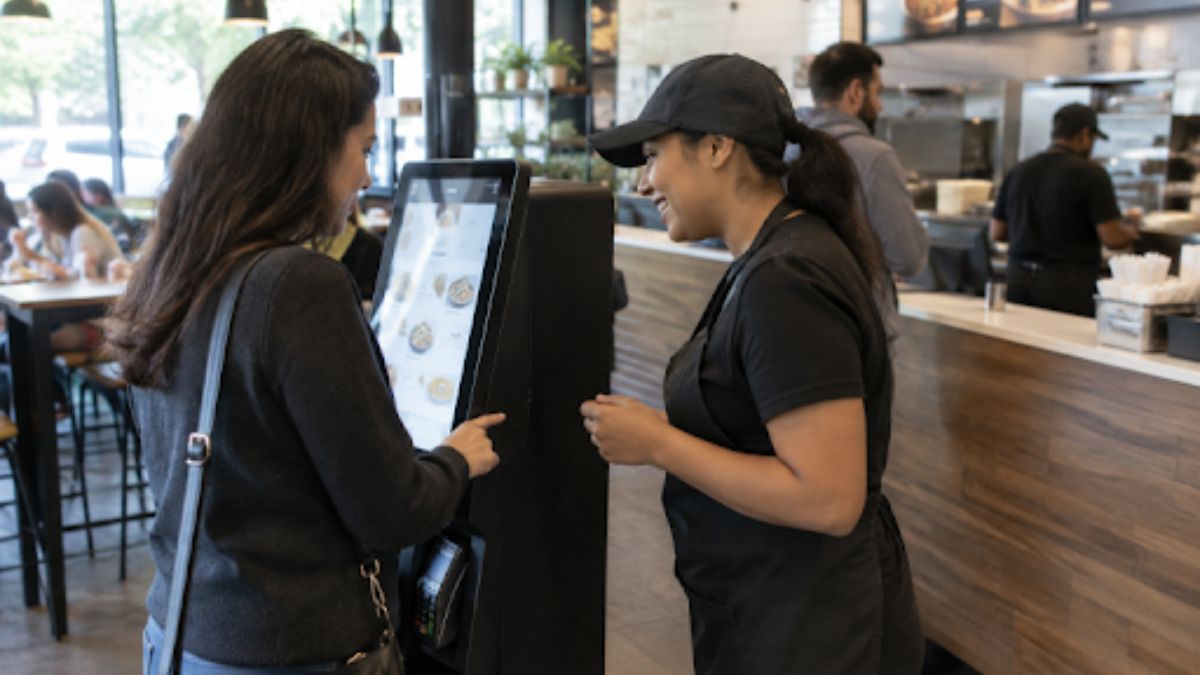
Ordering is often the first meaningful interaction a guest has with a restaurant. Whether someone is standing at a counter, ordering by phone, using a drive-thru, or using self-service kiosks, the process should feel clear, quick, and dependable. A well-designed ordering path reduces unnecessary effort while still leaving room for the personal service guests value.
Better ordering does not require a restaurant to remove employees from the experience. It requires thoughtful menus, understandable choices, accurate order handoffs, and a simple way to get help when needed. The goal is to make every channel, from dine-in to pickup and delivery, easier to use during both quiet periods and busy rushes.
Table Of Contents
- Why Ordering Design Matters
- Start With Customer Friction
- Make Menus Easy To Scan
- Support Accessibility From The Start
- Balance Speed And Choice
- Connect Front And Back Of House
- Use Data With Care
- Train Staff For Human Support
- Test And Improve The Experience
- A Practical 2026 Checklist
1. Why Ordering Design Matters
Guests notice friction quickly. A crowded menu, unclear modifiers, surprise fees, or a slow payment screen can turn a simple meal into a frustrating task. Those same problems also affect staff, who may need to answer repeated questions, correct avoidable mistakes, or manage a line that moves too slowly.
A strong ordering experience gives guests confidence at each step: choose a category, understand the item, make needed changes, review the total, and receive clear next steps. When the path is consistent across ordering channels, employees can spend more time on hospitality and less time translating incomplete orders.
2. Start With Customer Friction
Before changing software, screens, or workflows, identify where people actually struggle. The most expensive mistake is solving a minor inconvenience while the biggest cause of delay remains untouched.
Run a simple friction audit
- Watch where guests pause, backtrack, or ask for help.
- Ask employees which questions, changes, and errors happen most often.
- Review incomplete online orders and payment failures.
- Compare the ordering process during peak periods with the experience during slower hours.
Prioritize one issue at a time. For example, if guests frequently ask what comes with a meal, clarify that information before adding new upsell prompts or customization options.
3. Make Menus Easy To Scan
Menus work best when guests can understand them quickly. Use concise item names, plain-language descriptions, visible prices, and logical categories. Put popular items, dietary information, and common add-ons where people expect to find them rather than hiding them several steps into the process.
Photos can help people decide, especially for unfamiliar items, but they should support the menu rather than overwhelm it. Limit images to those that add useful context, and ensure they do not slow down the ordering page or distract from essential details.
4. Support Accessibility From The Start
Accessibility should be part of the design process, not a final check. Readable text, high contrast, clearly labeled buttons, and simple instructions can help more guests complete their orders independently. The web accessibility guidance for businesses open to the public also highlights barriers such as poor contrast, missing text alternatives, and information conveyed solely by color.
For digital menus and ordering pages, use accessible labels, predictable navigation, and error messages that explain what needs to be fixed. Teams can use the WCAG quick reference when reviewing touch targets, keyboard access, focus order, instructions, and error prevention. At a physical kiosk or counter, provide a clear, respectful route to human assistance for anyone who prefers it or needs it.
5. Balance Speed And Choice
More choices do not always create a better experience. Too many required decisions can make a guest feel trapped in a long process, particularly when they are ordering quickly or for a group. Start with the main choice, then reveal relevant options only when they apply.
- Show the entrée before offering sides, sauces, or upgrades.
- Separate required selections from optional extras.
- Offer dietary swaps in a clear, consistent format.
- Let group orders stay organized by labeling each guest or meal.
Personalization can be useful when it helps a guest reorder a familiar item or spot a relevant preference. It becomes unhelpful when it creates assumptions, hides standard choices, or makes the ordering flow feel intrusive.
6. Connect Front And Back Of House
A polished guest-facing screen is only part of the job. Orders must reach the kitchen accurately, with modifiers, special requests, payment status, timing details, and item availability displayed clearly. If an item sells out, the menu should reflect that change promptly so guests cannot purchase something the team cannot prepare.
Test the full path from selection to preparation. Ask whether every modifier arrives correctly, whether employees can read special requests at a glance, and whether the team has a recovery process for failed payments, duplicate orders, or connectivity problems.
7. Use Data With Care
Order data can reveal patterns worth acting on, including busy periods, frequently requested substitutions, popular item combinations, and steps where guests abandon an order. Managers can use those observations to adjust staffing, simplify menu language, or improve preparation planning.
Use only the information needed to improve service, explain privacy practices clearly, and avoid collecting data simply because a system can. Guests should not have to trade away trust for a convenient ordering experience.
8. Train Staff For Human Support
Self-service works best when employees remain ready to help. Train staff to notice hesitation, assist guests without rushing them, and resolve mistakes with clear steps. Employees should know how to handle unusual requests, unavailable items, order corrections, and guests who cannot or do not want to use a digital channel.
When routine steps are easier to manage, staff can focus on welcoming guests, answering meaningful questions, and solving problems before they grow.
9. Test And Improve The Experience
Do not treat ordering design as a one-time project. Test changes on a small scale, gather feedback from both guests and employees, and compare results across locations, dayparts, and channels. Useful measures include average order time, order accuracy, abandoned carts, payment failures, requests for assistance, and guest feedback.
A faster flow is not automatically a better flow if it leads to more mistakes or leaves some guests behind. Review the complete experience and make regular, practical improvements.
10. A Practical 2026 Checklist
- Can a first-time guest quickly find the right menu category?
- Are prices, modifiers, allergens, and dietary details easy to locate?
- Can guests complete an order without unnecessary steps?
- Is human assistance clearly available?
- Does the process account for different accessibility needs?
- Do complete order details reach the kitchen accurately?
- Can unavailable items be updated promptly?
- Is customer information handled responsibly?
- Can the process remain understandable during busy periods?
- Does the restaurant review feedback regularly and improve?
Conclusion
Better restaurant ordering is not just about adding technology. It is about removing needless effort, presenting clear choices, and helping employees deliver reliable service. Restaurants that listen to guests, test the full ordering journey, and keep accessibility central can build experiences that feel faster, friendlier, and easier to trust in 2026.
HOME
A Practical Guide to Choosing Hair Restoration Options in Maryland That Fit Your Hair, Goals, and Recovery Time


From humid summers along the Chesapeake to busy commutes between Bethesda, Baltimore, and Washington, D.C., Maryland residents often want hair restoration plans that fit real life. The best place to begin is not with the newest procedure. It is with an accurate explanation for the hair loss. Gradual thinning may reflect pattern hair loss, while rapid shedding, patchy areas, scalp pain, redness, itching, or scaling can point to a different concern that deserves medical evaluation. For people comparing local surgical options, advanced hair restoration Maryland care from Millennium Medical – MD Hair Transplant includes FUE, FUT, and related hair restoration services. The Chevy Chase clinic provides care to patients across Maryland, Northern Virginia, and Washington, D.C. It focuses on assessing transplant eligibility and recommending treatment options based on each patient’s individual needs. That procedure-specific focus makes a detailed consultation especially important when comparing local providers.
The Main Hair Restoration Options
Hair restoration is not limited to surgery. A sound plan may use one approach or combine several, depending on the cause, the pattern of loss, donor hair availability, and the person’s goals.
- Medication: Prescription or topical treatment may help suitable patients slow continued thinning or support growth. Benefits generally depend on continued use and medical guidance.
- Follicular Unit Excision, or FUE: Individual follicular units are extracted from the donor area and transplanted into areas experiencing hair thinning.
- Follicular Unit Transplantation, or FUT: A thin section of hair-covered scalp is taken from the donor site, then divided into grafts for placement in the recipient area.
- Supportive care: PRP, low-level light therapy, and scalp-care recommendations may be discussed as part of a broader plan, but they should not be presented as instant cures.
- Cosmetic choices: Hair fibers, scalp micropigmentation, hairpieces, and styling changes can improve the appearance of coverage without surgery.
General guidance from MedlinePlus on hair loss causes and treatment reinforces a key point: treatment depends on the underlying cause. A diagnosis comes before a procedure.
How FUE and FUT Differ
FUE and FUT are donor-harvesting methods, not competing promises of guaranteed density. Both move a person’s existing follicles from a donor region to a recipient region. Neither does it create new donor hair nor does it stop future thinning in untreated native hair.
FUE Considerations
- Follicular units are removed separately through tiny incisions.
- The donor area heals with multiple small extraction marks rather than one linear scar.
- It may appeal to people who prefer shorter hairstyles, although any surgical harvesting can leave scarring.
- Donor density, hair characteristics, and the number of grafts needed remain central to candidacy.
FUT Considerations
- A section of scalp is surgically removed from the donor area and stitched closed, resulting in a linear scar.
- Grafts are dissected from the strip under magnification.
- Scalp laxity, the desired hairstyle, and the amount of donor hair needed can influence whether it is appropriate.
- For some patients, FUT may be a practical way to obtain more grafts in a single session.
When Non-Surgical Care May Be the Better First Step
Surgery is usually not the first conversation when hair loss is sudden, actively changing, diffuse, or unexplained. An evaluation may consider medical conditions, nutritional concerns, recent illness, stressors, medications, and scalp disease. Medication can also be useful for preserving existing hair before or after a transplant, particularly when pattern loss is continuing. Be skeptical of products that promise immediate regrowth or a permanent result without an examination. The American Academy of Dermatology’s approach to diagnosing hair loss emphasizes identifying the cause, as different types of hair loss require different treatments.
When a Hair Transplant May Be Worth Discussing
- The pattern of loss is stable enough to plan responsibly.
- The donor area has sufficient healthy hair for harvesting.
- The patient understands that coverage and density have practical limits.
- The person accepts that non-transplanted hair can continue to thin over time.
- The patient is healthy enough for an elective procedure and can follow aftercare instructions.
Questions to Ask During a Consultation
- What may be causing my hair loss?
- Should I consider non-surgical treatment before surgery?
- Why do you recommend FUE, FUT, or neither?
- Who will design the hairline, harvest grafts, make recipient sites, and place grafts?
- How many grafts are proposed, and how was that estimate determined?
- How will you protect my donor area for possible future needs?
- What result is realistic for my hair type, loss pattern, and available donor supply?
- Could I need medication or another procedure later?
- What does the quoted price include, including follow-up care?
How to Compare Maryland Hair Restoration Providers
Look beyond a promotional price or a dramatic before-and-after image. Review the physician’s licensing, training, experience with hair restoration, and willingness to explain the limits of treatment. Ask to see examples involving patients with hair characteristics and loss patterns similar to yours. Most importantly, ask who performs each major surgical step and whether the plan accounts for future hair loss. Pressure to book immediately, guarantees of a full head of hair, and vague graft estimates are reasons to slow down. A responsible provider should discuss risks, scarring, donor limitations, recovery, and alternatives alongside potential benefits.
Recovery, Results, and Cost Factors
After a transplant, temporary redness, swelling, scabbing, and sensitivity can occur. Patients need to follow individualized instructions for washing, exercise, sun exposure, medications, and graft protection. Visible cosmetic change is not immediate. Transplanted hairs can shed before new growth emerges, and fuller results develop gradually over many months. Cost should be evaluated as part of the whole plan. Important factors include the number of grafts, treatment area, technique, surgeon involvement, aftercare, medication costs, and whether a staged approach is more appropriate than addressing every area at once.
A Simple Decision Process
- Track when the loss began and how it has changed.
- Seek an evaluation for sudden, patchy, painful, or unusual hair loss.
- Ask whether preservation of existing hair should come before surgery.
- Confirm the strength and long-term availability of donor hair.
- Compare FUE and FUT based on scarring, hairstyle preferences, recovery, and graft needs.
- Use the same consultation questions with every provider.
- Choose a plan that protects future options, not just today’s hairline.
Conclusion
For Maryland patients, the right hair restoration choice is rarely the procedure that receives the most attention online or promises the fastest results. Instead, it is a personalized plan built on an accurate diagnosis, realistic expectations, responsible management of donor hair, and a clear understanding of how hair loss may progress over time. Before choosing surgery, patients should explore whether medication or other non-surgical treatments may help address their needs. Those considering a transplant should also compare FUE and FUT, paying attention to scarring, recovery, donor hair availability, and the number of grafts required. It is equally important to review a provider’s qualifications, ask who will perform each stage of the procedure, and understand the full cost, including follow-up care. A qualified evaluation should explain both the potential benefits and limitations of each option without making unrealistic promises. By taking time to ask questions and compare recommendations, Maryland patients can make more informed decisions and choose a treatment approach that fits their hair loss pattern, personal goals, and long-term needs.
-

 HEALTH2 years ago
Integrating Semaglutide into Your Weight Loss Plan: A Practical Guide
-

 HOME IMPROVEMENT3 years ago
How to Choose the Perfect Neutral Area Rug for Every Room
-

 FASHION3 years ago
7 Celebrity-Inspired Elegant Summer Dresses For 2024
-

 HOME2 years ago
Sandra Orlow: The Teen Model Who Captivated the Internet
-

 LAW2 years ago
Teenage Drivers and Car Accidents in California: Risks and Parental Liability
-

 CONSTRUCTION2 years ago
Construction Site Safety Regulations in New York and Your Rights as a Worker
-

 LAW2 years ago
Post-Divorce Considerations in California: Modifications and Long-Term Planning
-

 FINANCE2 years ago
Digital Asset Management in Florida Estate Planning