
HOME
How Restaurants Can Build Faster, More Accessible Ordering Experiences


Ordering is often the first meaningful interaction a guest has with a restaurant. Whether someone is standing at a counter, ordering by phone, using a drive-thru, or using self-service kiosks, the process should feel clear, quick, and dependable. A well-designed ordering path reduces unnecessary effort while still leaving room for the personal service guests value.
Better ordering does not require a restaurant to remove employees from the experience. It requires thoughtful menus, understandable choices, accurate order handoffs, and a simple way to get help when needed. The goal is to make every channel, from dine-in to pickup and delivery, easier to use during both quiet periods and busy rushes.
Table Of Contents
- Why Ordering Design Matters
- Start With Customer Friction
- Make Menus Easy To Scan
- Support Accessibility From The Start
- Balance Speed And Choice
- Connect Front And Back Of House
- Use Data With Care
- Train Staff For Human Support
- Test And Improve The Experience
- A Practical 2026 Checklist
1. Why Ordering Design Matters
Guests notice friction quickly. A crowded menu, unclear modifiers, surprise fees, or a slow payment screen can turn a simple meal into a frustrating task. Those same problems also affect staff, who may need to answer repeated questions, correct avoidable mistakes, or manage a line that moves too slowly.
A strong ordering experience gives guests confidence at each step: choose a category, understand the item, make needed changes, review the total, and receive clear next steps. When the path is consistent across ordering channels, employees can spend more time on hospitality and less time translating incomplete orders.
2. Start With Customer Friction
Before changing software, screens, or workflows, identify where people actually struggle. The most expensive mistake is solving a minor inconvenience while the biggest cause of delay remains untouched.
Run a simple friction audit
- Watch where guests pause, backtrack, or ask for help.
- Ask employees which questions, changes, and errors happen most often.
- Review incomplete online orders and payment failures.
- Compare the ordering process during peak periods with the experience during slower hours.
Prioritize one issue at a time. For example, if guests frequently ask what comes with a meal, clarify that information before adding new upsell prompts or customization options.
3. Make Menus Easy To Scan
Menus work best when guests can understand them quickly. Use concise item names, plain-language descriptions, visible prices, and logical categories. Put popular items, dietary information, and common add-ons where people expect to find them rather than hiding them several steps into the process.
Photos can help people decide, especially for unfamiliar items, but they should support the menu rather than overwhelm it. Limit images to those that add useful context, and ensure they do not slow down the ordering page or distract from essential details.
4. Support Accessibility From The Start
Accessibility should be part of the design process, not a final check. Readable text, high contrast, clearly labeled buttons, and simple instructions can help more guests complete their orders independently. The web accessibility guidance for businesses open to the public also highlights barriers such as poor contrast, missing text alternatives, and information conveyed solely by color.
For digital menus and ordering pages, use accessible labels, predictable navigation, and error messages that explain what needs to be fixed. Teams can use the WCAG quick reference when reviewing touch targets, keyboard access, focus order, instructions, and error prevention. At a physical kiosk or counter, provide a clear, respectful route to human assistance for anyone who prefers it or needs it.
5. Balance Speed And Choice
More choices do not always create a better experience. Too many required decisions can make a guest feel trapped in a long process, particularly when they are ordering quickly or for a group. Start with the main choice, then reveal relevant options only when they apply.
- Show the entrée before offering sides, sauces, or upgrades.
- Separate required selections from optional extras.
- Offer dietary swaps in a clear, consistent format.
- Let group orders stay organized by labeling each guest or meal.
Personalization can be useful when it helps a guest reorder a familiar item or spot a relevant preference. It becomes unhelpful when it creates assumptions, hides standard choices, or makes the ordering flow feel intrusive.
6. Connect Front And Back Of House
A polished guest-facing screen is only part of the job. Orders must reach the kitchen accurately, with modifiers, special requests, payment status, timing details, and item availability displayed clearly. If an item sells out, the menu should reflect that change promptly so guests cannot purchase something the team cannot prepare.
Test the full path from selection to preparation. Ask whether every modifier arrives correctly, whether employees can read special requests at a glance, and whether the team has a recovery process for failed payments, duplicate orders, or connectivity problems.
7. Use Data With Care
Order data can reveal patterns worth acting on, including busy periods, frequently requested substitutions, popular item combinations, and steps where guests abandon an order. Managers can use those observations to adjust staffing, simplify menu language, or improve preparation planning.
Use only the information needed to improve service, explain privacy practices clearly, and avoid collecting data simply because a system can. Guests should not have to trade away trust for a convenient ordering experience.
8. Train Staff For Human Support
Self-service works best when employees remain ready to help. Train staff to notice hesitation, assist guests without rushing them, and resolve mistakes with clear steps. Employees should know how to handle unusual requests, unavailable items, order corrections, and guests who cannot or do not want to use a digital channel.
When routine steps are easier to manage, staff can focus on welcoming guests, answering meaningful questions, and solving problems before they grow.
9. Test And Improve The Experience
Do not treat ordering design as a one-time project. Test changes on a small scale, gather feedback from both guests and employees, and compare results across locations, dayparts, and channels. Useful measures include average order time, order accuracy, abandoned carts, payment failures, requests for assistance, and guest feedback.
A faster flow is not automatically a better flow if it leads to more mistakes or leaves some guests behind. Review the complete experience and make regular, practical improvements.
10. A Practical 2026 Checklist
- Can a first-time guest quickly find the right menu category?
- Are prices, modifiers, allergens, and dietary details easy to locate?
- Can guests complete an order without unnecessary steps?
- Is human assistance clearly available?
- Does the process account for different accessibility needs?
- Do complete order details reach the kitchen accurately?
- Can unavailable items be updated promptly?
- Is customer information handled responsibly?
- Can the process remain understandable during busy periods?
- Does the restaurant review feedback regularly and improve?
Conclusion
Better restaurant ordering is not just about adding technology. It is about removing needless effort, presenting clear choices, and helping employees deliver reliable service. Restaurants that listen to guests, test the full ordering journey, and keep accessibility central can build experiences that feel faster, friendlier, and easier to trust in 2026.
HOME
A Practical Guide to Choosing Hair Restoration Options in Maryland That Fit Your Hair, Goals, and Recovery Time

From humid summers along the Chesapeake to busy commutes between Bethesda, Baltimore, and Washington, D.C., Maryland residents often want hair restoration plans that fit real life. The best place to begin is not with the newest procedure. It is with an accurate explanation for the hair loss. Gradual thinning may reflect pattern hair loss, while rapid shedding, patchy areas, scalp pain, redness, itching, or scaling can point to a different concern that deserves medical evaluation. For people comparing local surgical options, advanced hair restoration Maryland care from Millennium Medical – MD Hair Transplant includes FUE, FUT, and related hair restoration services. The Chevy Chase clinic provides care to patients across Maryland, Northern Virginia, and Washington, D.C. It focuses on assessing transplant eligibility and recommending treatment options based on each patient’s individual needs. That procedure-specific focus makes a detailed consultation especially important when comparing local providers.
The Main Hair Restoration Options
Hair restoration is not limited to surgery. A sound plan may use one approach or combine several, depending on the cause, the pattern of loss, donor hair availability, and the person’s goals.
- Medication: Prescription or topical treatment may help suitable patients slow continued thinning or support growth. Benefits generally depend on continued use and medical guidance.
- Follicular Unit Excision, or FUE: Individual follicular units are extracted from the donor area and transplanted into areas experiencing hair thinning.
- Follicular Unit Transplantation, or FUT: A thin section of hair-covered scalp is taken from the donor site, then divided into grafts for placement in the recipient area.
- Supportive care: PRP, low-level light therapy, and scalp-care recommendations may be discussed as part of a broader plan, but they should not be presented as instant cures.
- Cosmetic choices: Hair fibers, scalp micropigmentation, hairpieces, and styling changes can improve the appearance of coverage without surgery.
General guidance from MedlinePlus on hair loss causes and treatment reinforces a key point: treatment depends on the underlying cause. A diagnosis comes before a procedure.
How FUE and FUT Differ
FUE and FUT are donor-harvesting methods, not competing promises of guaranteed density. Both move a person’s existing follicles from a donor region to a recipient region. Neither does it create new donor hair nor does it stop future thinning in untreated native hair.
FUE Considerations
- Follicular units are removed separately through tiny incisions.
- The donor area heals with multiple small extraction marks rather than one linear scar.
- It may appeal to people who prefer shorter hairstyles, although any surgical harvesting can leave scarring.
- Donor density, hair characteristics, and the number of grafts needed remain central to candidacy.
FUT Considerations
- A section of scalp is surgically removed from the donor area and stitched closed, resulting in a linear scar.
- Grafts are dissected from the strip under magnification.
- Scalp laxity, the desired hairstyle, and the amount of donor hair needed can influence whether it is appropriate.
- For some patients, FUT may be a practical way to obtain more grafts in a single session.
When Non-Surgical Care May Be the Better First Step
Surgery is usually not the first conversation when hair loss is sudden, actively changing, diffuse, or unexplained. An evaluation may consider medical conditions, nutritional concerns, recent illness, stressors, medications, and scalp disease. Medication can also be useful for preserving existing hair before or after a transplant, particularly when pattern loss is continuing. Be skeptical of products that promise immediate regrowth or a permanent result without an examination. The American Academy of Dermatology’s approach to diagnosing hair loss emphasizes identifying the cause, as different types of hair loss require different treatments.
When a Hair Transplant May Be Worth Discussing
- The pattern of loss is stable enough to plan responsibly.
- The donor area has sufficient healthy hair for harvesting.
- The patient understands that coverage and density have practical limits.
- The person accepts that non-transplanted hair can continue to thin over time.
- The patient is healthy enough for an elective procedure and can follow aftercare instructions.
Questions to Ask During a Consultation
- What may be causing my hair loss?
- Should I consider non-surgical treatment before surgery?
- Why do you recommend FUE, FUT, or neither?
- Who will design the hairline, harvest grafts, make recipient sites, and place grafts?
- How many grafts are proposed, and how was that estimate determined?
- How will you protect my donor area for possible future needs?
- What result is realistic for my hair type, loss pattern, and available donor supply?
- Could I need medication or another procedure later?
- What does the quoted price include, including follow-up care?
How to Compare Maryland Hair Restoration Providers
Look beyond a promotional price or a dramatic before-and-after image. Review the physician’s licensing, training, experience with hair restoration, and willingness to explain the limits of treatment. Ask to see examples involving patients with hair characteristics and loss patterns similar to yours. Most importantly, ask who performs each major surgical step and whether the plan accounts for future hair loss. Pressure to book immediately, guarantees of a full head of hair, and vague graft estimates are reasons to slow down. A responsible provider should discuss risks, scarring, donor limitations, recovery, and alternatives alongside potential benefits.
Recovery, Results, and Cost Factors
After a transplant, temporary redness, swelling, scabbing, and sensitivity can occur. Patients need to follow individualized instructions for washing, exercise, sun exposure, medications, and graft protection. Visible cosmetic change is not immediate. Transplanted hairs can shed before new growth emerges, and fuller results develop gradually over many months. Cost should be evaluated as part of the whole plan. Important factors include the number of grafts, treatment area, technique, surgeon involvement, aftercare, medication costs, and whether a staged approach is more appropriate than addressing every area at once.
A Simple Decision Process
- Track when the loss began and how it has changed.
- Seek an evaluation for sudden, patchy, painful, or unusual hair loss.
- Ask whether preservation of existing hair should come before surgery.
- Confirm the strength and long-term availability of donor hair.
- Compare FUE and FUT based on scarring, hairstyle preferences, recovery, and graft needs.
- Use the same consultation questions with every provider.
- Choose a plan that protects future options, not just today’s hairline.
Conclusion
For Maryland patients, the right hair restoration choice is rarely the procedure that receives the most attention online or promises the fastest results. Instead, it is a personalized plan built on an accurate diagnosis, realistic expectations, responsible management of donor hair, and a clear understanding of how hair loss may progress over time. Before choosing surgery, patients should explore whether medication or other non-surgical treatments may help address their needs. Those considering a transplant should also compare FUE and FUT, paying attention to scarring, recovery, donor hair availability, and the number of grafts required. It is equally important to review a provider’s qualifications, ask who will perform each stage of the procedure, and understand the full cost, including follow-up care. A qualified evaluation should explain both the potential benefits and limitations of each option without making unrealistic promises. By taking time to ask questions and compare recommendations, Maryland patients can make more informed decisions and choose a treatment approach that fits their hair loss pattern, personal goals, and long-term needs.
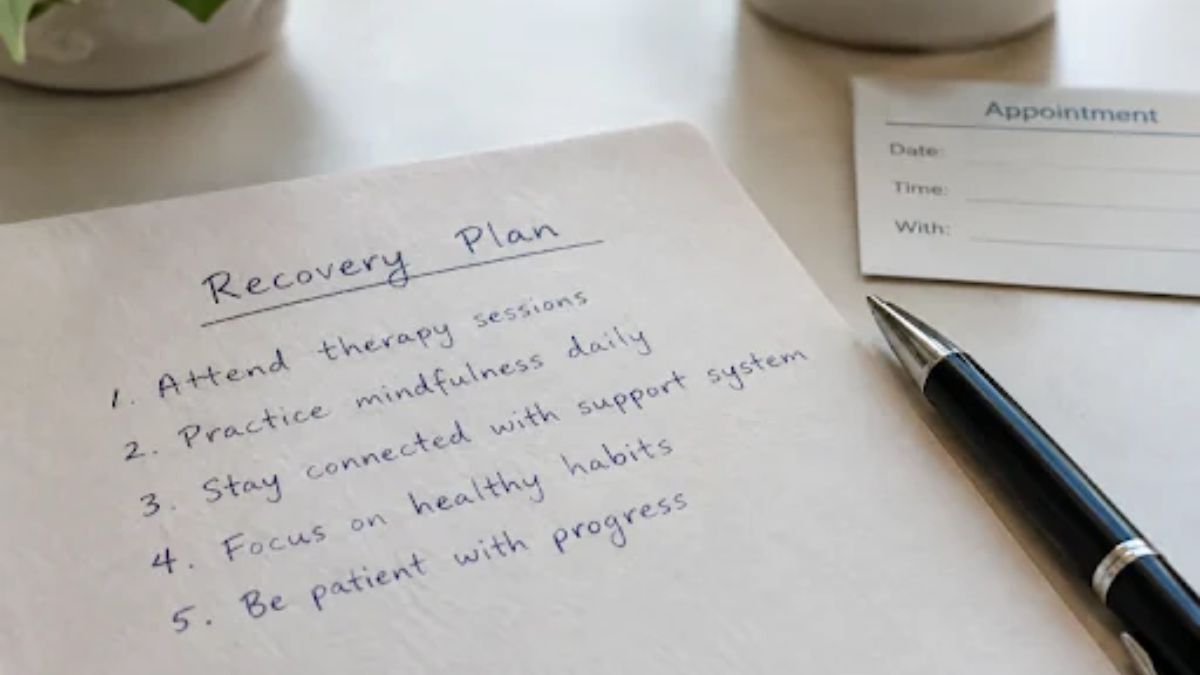
Finishing detox is an important milestone, but it is usually the beginning of the next phase of recovery rather than the end of treatment. For adults who need coordinated follow-up, alcohol addiction treatment services at Desert Mountain Healing IOP combine clinical medication support, counseling, intensive outpatient programming, case management, and recovery planning when appropriate. The Rio Rancho provider serves Albuquerque and surrounding New Mexico communities with an individualized approach that helps connect medical needs with day-to-day recovery goals.
The period after detox can feel both hopeful and uncertain. Physical withdrawal symptoms may improve, yet cravings, stress, relationship problems, mental health concerns, and practical responsibilities can still make recovery difficult. A clear plan creates structure for the days and weeks ahead.
Key Takeaways
- Detox can help a person safely manage withdrawal, but it is generally only the first stage of recovery.
- An effective plan brings together medical follow-up, counseling, routines, and personal support.
- Medication may be appropriate for some people with alcohol or opioid use disorders and should be managed by a qualified clinician.
- Transportation, housing, work schedules, and insurance can affect whether treatment is realistic and accessible.
- Recovery plans should be reviewed regularly and adjusted as circumstances change.
Table Of Contents
- Detox Is Only the First Step
- Build a Care Plan Before Leaving Detox
- Connect Medical and Behavioral Care
- Make Daily Life Work With Treatment
- Plan for Cravings and High-Risk Moments
- Consider Medication Support When Appropriate
- Use Family, Peer, and Community Support
- Review the Plan Over Time
- Common Questions After Detox
Detox Is Only the First Step
Detox focuses on the immediate effects of stopping or reducing substance use, including withdrawal symptoms that may require medical attention. Ongoing treatment addresses a different set of needs: coping with cravings, improving decision-making, treating co-occurring mental health symptoms, repairing relationships, and building a stable routine. As addiction treatment and recovery guidance explains, recovery often involves continuing care and services that support long-term health.
For example, someone may leave detox feeling physically stronger but return to the same stress at home, conflict in a relationship, or social setting connected with past substance use. Planning for those realities can make the transition less overwhelming.
Build a Care Plan Before Leaving Detox
A discharge recommendation is more useful when it becomes a specific, written next step. Before leaving detox, ask what level of care is recommended, when the first appointment will occur, who will manage medications, and what to do if symptoms worsen after regular business hours.
Questions To Answer Before Discharge
- What provider or program will handle follow-up care?
- Has the referral been received and accepted?
- How will transportation to appointments work?
- Are insurance approval, copays, or medication costs likely to create barriers?
- Which records, releases, or prescriptions need to be transferred?
When possible, schedule the first appointment before discharge. Keep the provider’s name, address, phone number, appointment time, and after-hours contact information in one place. With permission, a trusted support person can also keep a copy of the plan.
Connect Medical and Behavioral Care
Recovery can involve both physical and emotional health, so communication among providers matters. Depending on a person’s needs, care may include medical evaluations, medication management, individual counseling, group therapy, intensive outpatient services, case management, mental health screening, family education, and relapse-prevention work.
Coordinated care helps prevent a person from having to manage disconnected recommendations on their own. It also gives the treatment team a clearer view of symptoms, progress, medication concerns, and barriers to participation.
Make Daily Life Work With Treatment
A recovery plan has to fit real life. Work, school, parenting, caregiving, housing, and transportation needs do not disappear after detox. The recovery framework of health, home, purpose, and community can help people consider whether a plan supports the broader conditions needed for stability.
Daily Planning Checklist
- Set consistent times for sleep, meals, prescribed medication, and appointments.
- Arrange transportation before the first treatment session.
- Keep contact numbers and appointment reminders accessible.
- Allow time for work, family responsibilities, rest, and recovery activities.
- Limit avoidable exposure to people, places, or events strongly associated with substance use.
- Build extra time into the schedule for stressful or difficult days.
Plan for Cravings and High-Risk Moments
Cravings and stressful moments are easier to manage when a response plan is already in place. Willpower alone can be difficult to rely on when someone is tired, upset, isolated, or in an environment linked to past use.
Build a Personal Craving Plan
- List common triggers, such as conflict, loneliness, physical pain, payday, or unstructured evenings.
- Identify early warning signs, including skipped appointments, isolation, anger, or racing thoughts.
- Choose one immediate action, such as leaving the situation, contacting a support person, or calling the care team.
- Keep crisis and support numbers easy to find.
- Review the plan with a clinician or trusted person and update it when needed.
Seek urgent medical help for suspected overdose, seizures, severe withdrawal symptoms, serious breathing problems, chest pain, confusion, or immediate thoughts of self-harm.
Consider Medication Support When Appropriate
Medication-assisted treatment is not one medication or a fixed timeline. For some people, prescribed medication may reduce cravings, support stabilization, or help them participate more fully in counseling and recovery services. A qualified prescriber should consider medical history, current symptoms, other medications, treatment goals, and clinical risks.
Medication choice, dose, monitoring, and duration differ from person to person. People should not start, stop, or change prescribed medication without medical guidance. Insurance coverage and local availability may also affect the options a person can access.
Use Family, Peer, and Community Support
Support people can provide practical help without replacing professional care. They may offer transportation, help organize paperwork, provide a calm place to talk, or participate in family education when appropriate. Respect for privacy, boundaries, and treatment goals is essential.
No one person should have to carry the entire recovery plan. A broader network can include clinicians, peer support groups, trusted friends, family members, community programs, and crisis resources.
Review the Plan Over Time
Recovery plans need adjustment. A new job, move, family crisis, medication change, return to substance use, or change in mental health symptoms may call for more support or a different level of care. Missed appointments can also point to practical barriers, such as transportation problems or unstable housing, rather than a lack of commitment.
Monthly Review Questions
- Are appointments and medications accessible?
- Does the current living environment support recovery?
- Are cravings becoming easier or harder to manage?
- Which parts of the plan feel unrealistic?
- What support would make the next month safer?
Common Questions After Detox
Does Finishing Detox Mean Treatment Is Complete?
No. Detox may help stabilize the body, while continuing care can address coping skills, mental health, relationships, routines, and long-term recovery goals.
Can Someone Work While Attending Outpatient Treatment?
Outpatient care may fit around work, school, or family duties. The right schedule depends on clinical needs, stability, transportation, and available support.
What If Substance Use Happens Again?
Contact the treatment team promptly. A return to use may mean the current plan needs additional structure, a new medical assessment, different services, or stronger support.
Conclusion
Detox can open the door to recovery, but the next steps help make recovery safer and more sustainable. A practical plan connects medical care, counseling, routines, support people, and clear responses to difficult moments. The most useful plan is not necessarily the most complicated one. It is the plan a person can understand, access, and adapt as life changes.

Buying a home can feel out of reach when your financial life does not fit the standard pattern of one employer, regular pay stubs, and a long credit history. Families with contract income, multiple jobs, recent moves, or limited U.S. credit can still take meaningful steps toward becoming stronger applicants. Some borrowers may also explore ITIN mortgage loans when traditional documentation or identification requirements do not reflect their circumstances.
The goal is not to make your finances look different from what they are. It is to organize an accurate, consistent picture of how you earn, spend, save, and pay your obligations. Early preparation can help you identify gaps, answer lenders’ questions more quickly, and make a more confident decision about the price range that fits your household.
Why Financial Records Matter
Mortgage lenders generally assess an applicant’s ability to repay a loan by reviewing income, debts, available funds, credit information, and other application details. A credit score is important, but it does not always tell the full story. For example, a renter may have a reliable history of paying rent on time while having few accounts reported to the major credit bureaus.
Organized records help show the pattern behind the numbers. The Consumer Financial Protection Bureau recommends that buyers prepare by reviewing their credit, assessing their finances, setting a home-price budget, and gathering application materials before shopping for a mortgage. This can make it easier to spot issues before they become a time-sensitive problem.
What Nontraditional Financial History Means
Nontraditional financial history is a practical description of circumstances that may not appear neatly in a conventional mortgage file. It can include a thin credit profile, self-employment, contract work, income from several jobs, a short U.S. credit history, or recurring payments that are not consistently reported on a credit report.
- Self-employment, freelance work, tips, commissions, or seasonal earnings
- Income received through more than one employer or client
- Verified rent, utility, insurance, or phone payments
- Recent relocation or newly established credit accounts
- Documented savings built gradually over time
Documents to Gather Before Applying
Create one secure digital folder and keep paper copies when useful. A lender may request different items depending on the loan and borrower, but a well-organized file can reduce back-and-forth questions.
- Recent bank statements and earnings statements
- Pay stubs, tax returns, tax transcripts, 1099 forms, or business records when applicable
- Invoices, contracts, and payment records for contract or self-employed income
- Rental receipts or a landlord-provided payment history
- Utility, insurance, and other recurring payment records
- Statements for current debts and monthly obligations
- Identification documents and proof of the source of down payment funds
How Alternative Credit May Help
Some lending programs and lenders may review verified payment records beyond standard credit accounts. These records can help demonstrate a pattern of meeting recurring obligations, especially when a borrower has limited traditional credit. They are not a substitute for the full application review, and acceptance varies by lender and loan program.
Records That May Be Useful
- Rent payments made through a traceable method
- Electric, gas, water, internet, or phone bills
- Auto, renters, health, or other insurance payments
- Child care, tuition, or similar recurring obligations
Keep records that clearly identify the account holder, the payment amount, the due date, and the payment date. Cash payments can be difficult to verify without receipts, bank withdrawals, or a written payment history from the recipient.
How to Organize Different Income Sources
Families with multiple income sources should make the connection between the work performed and the money received easy to follow. A contractor, for example, can keep invoices, signed agreements, deposit records, and tax documents together to show how business income is deposited into a personal account.
- List every household income source and how often it is paid.
- Separate business and personal transactions when possible.
- Keep invoices, contracts, and deposit records in date order.
- Be ready to explain large or unusual deposits.
- Avoid moving money between accounts without retaining a clear paper trail.
How to Build a Realistic Homebuying Budget
The amount a lender may approve is not always the amount that feels comfortable for your family. Build your budget around the full monthly housing cost, including principal and interest, property taxes, homeowners’ insurance, mortgage insurance if required, homeowners’ association dues if applicable, utilities, and expected maintenance.
Also plan for upfront costs such as the down payment, closing costs, moving expenses, and immediate repairs or purchases. Review several months of actual spending before setting a target payment. The CFPB advises buyers to compare mortgage offers from multiple lenders, which can help households evaluate loan terms and costs rather than focusing on one advertised rate. This gives buyers a practical framework for that process.
Questions to Ask a Mortgage Professional
- Which documents can be used to verify my income?
- Can verified rent or utility payments be considered in this program?
- How much payment history is needed?
- How are self-employed, contract, commission, or seasonal earnings reviewed?
- Which funds may be used for the down payment and closing costs?
- What fees are due before closing, and what costs are included in the estimate?
- Would a co-borrower change the available options?
Mistakes That Can Slow Down an Application
- Applying before checking credit reports for errors or missing information
- Leaving large deposits unexplained
- Taking on new debt or opening unnecessary credit accounts before closing
- Changing jobs or income structure without discussing it with the lender
- Using cash without maintaining receipts or other documentation
- Underestimating taxes, insurance, repairs, and moving costs
A Step-by-Step Preparation Plan
- Set a price range. Base it on the full monthly cost and your household budget.
- Review credit and debts. Correct errors and understand existing monthly obligations.
- Build a document folder. Save bank, income, tax, rent, and payment records in one place.
- Track savings. Keep a clear record of where the down payment and closing funds come from.
- Speak with qualified lenders. Ask how each one reviews your specific financial records.
- Keep records current. Continue documenting income, payments, and account activity through closing.
Final Thoughts
Homeownership preparation is not limited to households with a long, conventional credit history. Clear records, steady financial habits, realistic budgeting, and early conversations with mortgage professionals can help families present a more complete application. Start by organizing the facts, protecting your savings, and choosing a home payment that supports your life after closing.
-

 HEALTH2 years ago
Integrating Semaglutide into Your Weight Loss Plan: A Practical Guide
-

 HOME IMPROVEMENT2 years ago
How to Choose the Perfect Neutral Area Rug for Every Room
-

 FASHION2 years ago
7 Celebrity-Inspired Elegant Summer Dresses For 2024
-

 HOME2 years ago
Sandra Orlow: The Teen Model Who Captivated the Internet
-

 LAW2 years ago
Teenage Drivers and Car Accidents in California: Risks and Parental Liability
-

 CONSTRUCTION2 years ago
Construction Site Safety Regulations in New York and Your Rights as a Worker
-

 LAW2 years ago
Post-Divorce Considerations in California: Modifications and Long-Term Planning
-

 FINANCE2 years ago
Digital Asset Management in Florida Estate Planning