
LAW
The 9 Common Injuries Sustained from Being Hit by a Truck


Being hit by a truck can cause devastating injuries. The high-speed impact of such accidents often leads to severe trauma. Many injuries may not be visible right away but can have long-term effects.
Have you ever wondered what types of injuries are common after being involved in a truck collision? The sudden jerking motion of the crash can cause serious harm.
In this post, we will look at the nine most common injuries from truck accidents and how understanding your legal rights can help you move forward.
1. Broken Bones and Fractures
Broken bones are one of the most frequent injuries after a truck accident. The force of the impact can cause bones to shatter or fracture. Fractures can occur in various parts of the body, such as the arms, legs, or ribs.
Severe fractures may require surgery or extended medical care. Some broken bones can also lead to long-term disability if not treated properly.
It’s important to know your legal rights when facing medical bills and lost wages due to broken bones. Consulting a personal injury lawyer can help secure the compensation you deserve.
2. Whiplash and Neck Injuries
Whiplash is a common neck injury caused by a sudden jerking motion. The force of the crash throws the head back and forth rapidly, straining the neck muscles. Neck injuries can range from mild discomfort to serious long-term pain.
Severe whiplash can cause lasting headaches, stiffness, and loss of mobility. If you’ve suffered a neck injury, early treatment is important for a full recovery.
In some cases, whiplash can result in long-term disability. It’s crucial to understand your legal rights and seek compensation for medical care and recovery costs.
3. Head Injuries and Traumatic Brain Injuries
A high-speed impact in a truck accident can lead to head injuries. Even minor head trauma can cause significant damage to the brain. Traumatic brain injuries (TBI) can range from concussions to more severe brain damage. Symptoms may include:
- confusion
- dizziness
- memory loss
In severe cases, brain injuries can lead to permanent disability. If you’ve suffered a head injury, prompt medical attention is essential for proper diagnosis and treatment. Legal help may also be needed to ensure you receive compensation for medical expenses and long-term care.
4. Spinal Cord Injuries
Spinal cord injuries are among the most serious consequences of being hit by a truck. The high-speed impact can damage the spinal cord, leading to paralysis or loss of function. Spinal injuries can cause long-term disability, requiring extensive medical treatment and rehabilitation.
These injuries can affect mobility and quality of life for years to come. If you experience numbness or weakness after a truck accident, it’s important to seek immediate medical care. A personal injury lawyer can help guide you through the legal process and ensure you receive proper compensation.
5. Internal Injuries and Internal Bleeding
Internal injuries often occur without immediate symptoms after being hit by a truck. The high-speed impact can cause internal bleeding, organ damage, or bruising. These injuries may not be visible but can be life-threatening.
If you experience dizziness, abdominal pain, or nausea, it may indicate internal damage. Prompt medical attention is necessary to diagnose and treat internal injuries before they become critical. Seeking legal advice is also important if internal injuries affect your long-term health, as compensation for treatment and recovery may be necessary.
6. Chest and Rib Injuries
Chest injuries are another common consequence of truck accidents. The force of the collision can cause broken ribs or bruised lungs. Rib fractures are painful and can make breathing difficult.
In some cases, broken ribs can puncture the lungs or other internal organs. Chest injuries may require hospitalization and long-term care, depending on the severity.
If you’ve sustained a chest or rib injury, it’s important to get immediate medical care. Legal guidance may also be helpful to ensure you receive compensation for medical expenses and recovery time.
7. Knee and Leg Injuries
The lower body is vulnerable in truck accidents, especially to knee and leg injuries. The force of impact can crush or fracture the bones in the legs. Injuries to the knees, such as ligament tears or fractures, are also common.
These injuries can cause difficulty walking or standing, and in severe cases, may require surgery. Recovery from knee and leg injuries can be long and painful, leading to long-term disability. If you have sustained these injuries, seeking medical care and legal advice is essential to receive proper treatment and compensation.
8. Soft Tissue Injuries
Soft tissue injuries, such as sprains and strains, are common after a truck accident. The sudden jerking motion can stretch or tear muscles, ligaments, and tendons. These injuries can cause pain, swelling, and bruising.
While soft tissue injuries may seem less severe, they can cause long-term discomfort if not treated properly. Physical therapy and rest are often necessary for recovery. If you’ve suffered a soft tissue injury, consulting a personal injury lawyer can help you navigate the legal process and secure compensation for medical costs.
9. Psychological Effects and PTSD
Truck accidents can also lead to psychological trauma, such as post-traumatic stress disorder (PTSD). Victims may experience anxiety, depression, or flashbacks of the crash. These psychological effects can interfere with daily life and hinder recovery.
Therapy and counseling may be necessary to help victims cope with the emotional toll. In some cases, PTSD can become a long-term issue, affecting relationships and work. If you’ve experienced emotional distress after an accident, it’s important to seek support and understand your legal rights for compensation.
Be Aware of These Common Injuries Sustained from Being Hit by a Truck
Being hit by a truck can lead to severe physical and emotional injuries. Internal injuries, spinal cord damage, and traumatic brain injuries require immediate attention. Seeking medical care and understanding your legal rights can help ensure proper recovery.
Consulting a personal injury lawyer may be necessary to navigate compensation for medical bills and long-term care. If you’ve been in an accident, do not delay seeking help. Early intervention can prevent complications and support your path to recovery.
Interested in more insights? Check out our other articles on different topics!
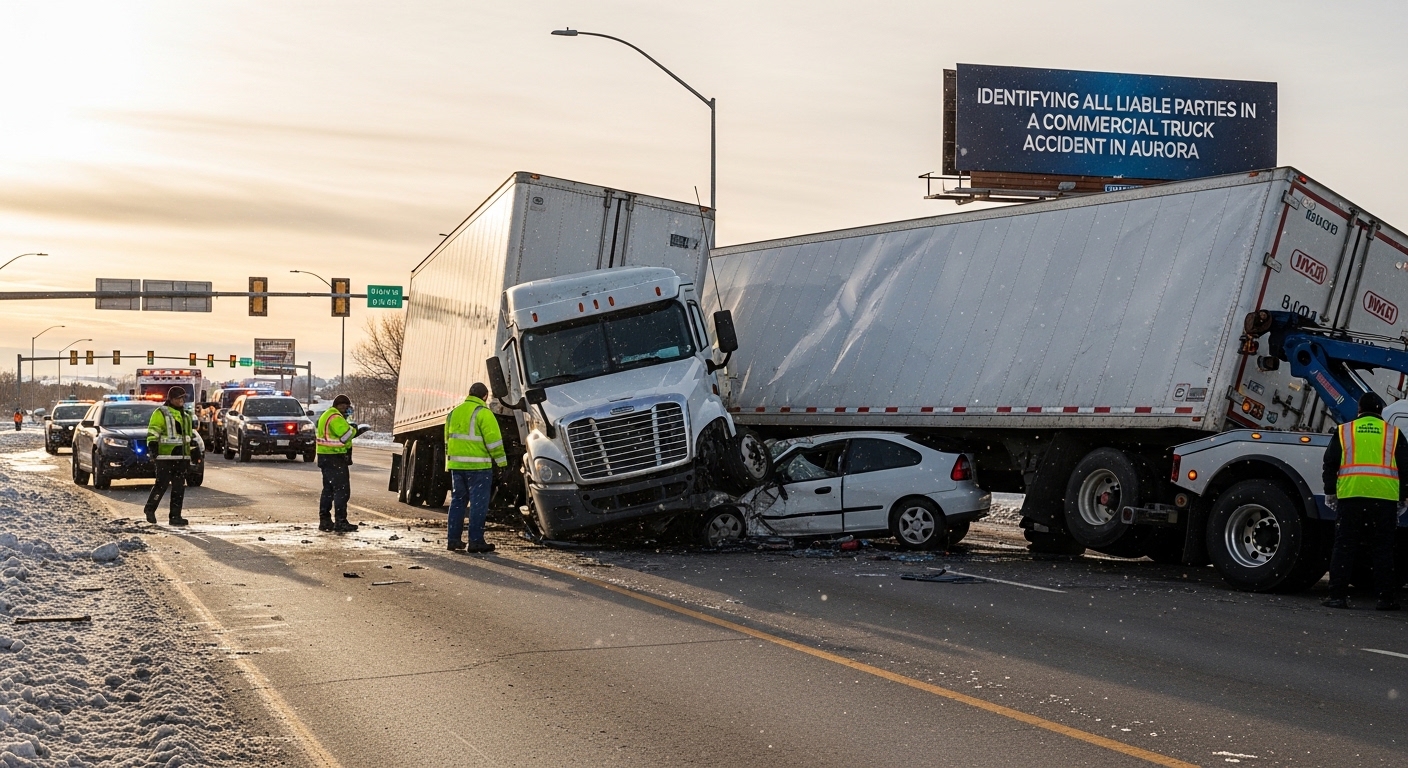
Commercial truck accidents in Aurora often result in complex liability issues due to the multiple parties that may be involved. Determining who is at fault is crucial for victims seeking compensation for injuries, property damage, or lost wages. If you are affected by such a crash, understanding the potential defendants can strengthen your claim and maximize your recovery. Consulting with an Aurora truck accident attorney early in the process can help ensure no responsible party is overlooked.
Truck accidents do not always involve just the driver. Liability often extends to trucking companies, cargo loaders, vehicle manufacturers, and even third-party contractors or government entities. Each of these parties might play a unique role in the incident, making a thorough investigation essential for building an effective case. This article will break down the typical parties that may be liable, factors considered in determining responsibility, and what accident victims should do after a collision. We will also look at key legal considerations and Aurora-specific factors that may affect liability claims. By identifying all liable parties, Aurora residents can better navigate insurance claims and legal actions following a serious truck accident. Understanding the broader context is vital, as commercial vehicle crashes tend to have higher stakes and greater legal complexity than passenger vehicle collisions.
Key Parties Involved in Commercial Truck Accidents
1. Truck Drivers
Truck drivers are often the most obvious potential defendants. If the driver’s negligence, fatigue, impairment, or violation of safety rules contributed to the accident, they are likely to be named in a lawsuit. Factors such as distracted driving or exceeding hours-of-service regulations can also increase driver liability.
2. Trucking Companies
In many cases, the company that owns or operates the truck may bear significant responsibility. Trucking companies are required to follow strict hiring protocols, provide proper training, and maintain their fleet. If the company fails in these duties, particularly regarding maintenance or supervision, it can be held liable under “vicarious liability” rules. Major corporations are more frequently the focus of truck crash litigation due to their deeper pockets and role in policy enforcement.
3. Cargo Loaders and Shippers
Improperly loaded or secured cargo can make a truck unstable and prone to accidents. If a third-party contractor, the shipper, conducted, supervised, or approved negligent cargo loading, they could be held liable for resulting crashes. The Federal Motor Carrier Safety Administration (FMCSA) has clear regulations governing cargo securement, and violations of these rules carry heavy legal consequences.
4. Vehicle and Parts Manufacturers
Sometimes, truck accidents result from mechanical failures caused by defective parts or equipment. Manufacturers can be held responsible if design defects, manufacturing errors, or inadequate warnings contribute to the incident. Product liability law applies in these scenarios, particularly when faulty brakes or tires are involved.
5. Maintenance Contractors
Commercial trucks require regular inspections and maintenance. If a third-party repair or maintenance company failed to perform adequate repairs or routine checks, they could be held responsible for contributing to the accident.
6. Government Entities
Poor road design, inadequate signage, or a lack of maintenance can contribute significantly to truck accidents. In such situations, city or state governmental agencies might be liable for failing to maintain a safe roadway environment for heavy vehicle traffic. Bringing a claim against a government entity, however, involves specific procedures and strict timelines for filing a notice of claim.
How Liability Is Determined
Determining liability involves a detailed investigation into the accident’s circumstances. Insurance adjusters, legal teams, and, sometimes, law enforcement agencies collect crucial evidence, such as witness statements, accident scene photos, electronic logging device (ELD) records, and vehicle inspection reports. Understanding Colorado’s comparative fault rules is essential, as victims can recover damages even if partly at fault, though their percentage of fault reduces their recovery.
Evidence Used to Identify Responsible Parties
- Driver logbooks and ELD data to identify driver fatigue or hours-of-service violations.
- Company safety records to reveal repeated failures in hiring, training, or supervision.
- Maintenance records highlighting unaddressed vehicle defects.
- Surveillance footage, dash cam video, or eyewitness accounts, which may directly show who caused the collision.
- Cargo records and bills of lading to review how, when, and by whom the load was secured.
Steps to Take After a Truck Accident in Aurora
After a truck accident, seek medical attention immediately, even if injuries seem minor. Report the crash to the police and gather as much evidence as you can safely, including taking photographs and obtaining contact information for witnesses. Notify your insurance company, but avoid making recorded statements before consulting with an attorney. Promptly seeking legal advice ensures deadlines are met, and no evidence is lost or overlooked in the complex claims process.
Legal Considerations and Local Issues
Aurora’s position along major interstates and proximity to Denver mean trucks are a frequent presence on its roads. Local legal considerations include Colorado’s comparative fault rules and unique requirements for government-entity claims. Plaintiffs must be wary of strict filing deadlines (statute of limitations) and take steps to preserve evidence, especially when facing large trucking companies or governmental bodies.
Conclusion
Identifying all liable parties following a commercial truck accident in Aurora can make a crucial difference in the outcome of your case. Liability often extends beyond just the driver, encompassing trucking companies, maintenance providers, manufacturers, and more. The process demands careful evidence gathering and a strong understanding of relevant laws. Protecting your rights starts with realizing the complex network of possible defendants and partnering with a legal professional who can help uncover every source of liability for your losses and injuries.

Understanding Wrongful Death Claims
The wrongful death claims process allows grieving families to seek justice after losing a loved one due to another’s negligence or wrongful act. These claims can arise from incidents such as car accidents, workplace injuries, or medical malpractice. Compensation may cover medical expenses, funeral costs, loss of financial support, and emotional suffering. Although no monetary award can truly compensate for the loss, pursuing a claim can hold responsible parties accountable while providing financial relief during a vulnerable time. A compassionate wrongful death attorney can guide families through the complexities of this process, helping them honor the memory of their loved one and seek justice.
Understanding the specific requirements and timelines for filing a wrongful death claim is essential. Each state has its own statutes of limitations and eligible parties who can initiate a claim, typically including spouses, children, and, in some cases, parents or siblings. Navigating these regulations without expert guidance can be overwhelming. It’s also worth noting that some states require an estate representative or executor to file the claim on behalf of the family or beneficiaries. This process can further complicate matters if a suitable representative has not been previously appointed, so seeking legal assistance early on is advisable. Furthermore, wrongful death laws can differ not only in eligibility but also in the types of damages recoverable and the evidence required to prove negligence. Knowing these legal distinctions ensures that families understand what to expect throughout the claims process and prepares them for the challenges ahead.
Initial Steps Families Should Take
In the aftermath of a tragic loss, families often struggle with grief and confusion over what to do next. The first steps include securing the deceased’s official death certificate and gathering information about the incident. It is helpful to note important details, such as accident reports, hospital records, and any available eyewitness accounts. Acting quickly to preserve evidence and consult with a legal professional soon after the incident is vital to safeguarding your rights. Families also benefit from clearly documenting all expenses and financial losses, including funeral or memorial costs and outstanding medical bills. This documentation becomes crucial in establishing the financial impact of the loss. Additionally, knowing where to seek help can bring some measure of stability during a chaotic period. Another important step is maintaining a timeline of events, which can help lawyers build a clear and convincing narrative for your claim. Keeping copies of all correspondence with medical providers, insurance agencies, and witnesses can help streamline the legal process. As daunting as these administrative tasks may seem, methodically organizing documentation will save valuable time later.
The Role of Legal Support
Working with an experienced wrongful death attorney can significantly improve the outcome of a claim. Legal specialists can explain the family’s rights, negotiate with insurance companies, and ensure all deadlines are met. They also offer compassionate advice, allowing families to focus on healing rather than paperwork or court proceedings. An attorney will help estimate fair compensation, factoring in both immediate expenses and the long-term loss of companionship or income. Legal support also extends to handling communications with opposing parties, gathering specialized testimony, and, if necessary, representing families in court. Attorneys may also coordinate with financial or estate planners to help families manage settlements or awards in ways that best support their ongoing needs. By taking on the legal complexities, attorneys provide families time to grieve and heal.
Importance of Gathering Evidence
Strong evidence is the backbone of any successful wrongful death claim. This includes accident scene photos, police or incident reports, witness statements, and expert opinions. Medical records and coroner’s reports can also be key in proving the cause of death and establishing negligence. Since memories can fade and physical evidence may be lost over time, it’s essential to secure these items promptly. Families should maintain organized files and back up digital copies of all supporting materials throughout the process. In more complex claims, expert witnesses such as accident reconstruction specialists, medical experts, or financial consultants may be necessary. They can provide professional analysis to strengthen your claim with compelling, fact-based testimony. Gathering this additional evidence requires coordination and sometimes a significant financial investment, but it is often crucial to establish liability and the full extent of the family’s damages.
Navigating the Claims Process
The claims process can be lengthy and emotionally exhausting. It typically begins with filing a formal complaint in civil court and notifying all parties involved, including insurance companies and potential defendants. Pre-trial proceedings may involve discovery, during which both sides exchange information and engage in settlement negotiations. Should negotiations fail, the matter might proceed to trial, where evidence is presented, and a judge or jury determines liability and damages. Most wrongful death claims are resolved through settlements rather than full trials, which can expedite the process and minimize additional emotional strain. Patience and perseverance become essential virtues for families during this phase. Delays caused by busy court calendars, prolonged negotiations, and requests for additional evidence are common. Staying in regular communication with your legal team, being responsive to requests for information, and allowing time for a thorough review can ultimately improve the outcome of your case. Additionally, understanding the process can reduce anxiety and help families feel more in control in an otherwise uncertain situation.
Emotional Support and Community Resources
Beyond legal and financial challenges, losing a loved one in unforeseen circumstances takes a tremendous emotional toll. Seeking grief counseling or joining a support group can provide significant comfort. Many communities offer nonprofit organizations and faith-based groups dedicated to assisting families after tragedy. The Psychology Today Grief Resource Center offers directories for local therapists and grief support resources tailored to individuals coping with traumatic loss. Family and friends often play a crucial role in helping individuals process grief, but many find that connecting with others who have experienced similar losses can make a significant difference. Support groups, whether in person or online, allow people to share their feelings openly and receive validation. Additionally, bereavement resources can offer literature, workshops, and events to foster healing, which may ultimately help regain a sense of hope and balance after such an unexpected loss.
Conclusion
Navigating a wrongful death claim can be a daunting journey for any family. With the support of caring professionals, trusted legal advice, and community resources, the burden becomes more manageable. Taking informed action and seeking the guidance of a skilled wrongful death attorney can help families achieve a sense of justice and begin the healing process. Although no amount of compensation can ever replace a loved one, pursuing a wrongful death claim holds responsible parties accountable and acknowledges the immense loss suffered. By focusing on both the legal and emotional aspects of recovery, families can honor their loved one’s memory and find pathways toward long-term healing and resolution.

Creating an estate plan is one of the most important steps you can take to ensure your wishes are honored and your loved ones are protected. Whether you are planning for aging, incapacity, or the orderly transfer of wealth, having a clear set of documents is essential. Consulting with professionals who specialize in Mooresville Elder Law ensures that all legal nuances are addressed and your plans are thoroughly documented.
Life is unpredictable, but a thoughtful estate plan can minimize uncertainty, reduce family conflicts, and help your family avoid unnecessary expenses or legal hurdles. Even if you think you’re “too young” or “don’t have enough assets,” everyone benefits from a detailed strategy for their health care preferences, guardianship wishes, and distribution of savings or property after death.
Estate planning is not just for the wealthy; it’s for anyone who wishes to have a say in their care and asset management in the event of an unexpected occurrence. Without the proper documents, state laws and courts make those decisions for you, potentially contradicting your preferences and burdening your loved ones with avoidable complexity.
Last Will and Testament
Your will acts as the foundation of your estate plan. It allows you to declare how property, money, and personal possessions will be distributed after your death. More importantly, a will appoints an executor who will carry out your wishes and manage your final affairs. Parents of minor children can name a guardian to raise their children if they are no longer able to do so. Without a valid will, state laws will determine how your assets are divided, which can lead to outcomes you might not want for your heirs.
Durable Power of Attorney
A Durable Power of Attorney is an essential tool in comprehensive estate planning. It allows you to designate someone you trust to act on your behalf for legal and financial matters if you become incapacitated. This person can manage bill payments, property transactions, tax filings, and even business interests, helping to avoid costly, court-appointed guardianships. Incorporating a POA into your estate plan ensures that your affairs are handled smoothly, reducing stress and expense for your loved ones during an already challenging time.
Healthcare Power of Attorney and Living Will
Healthcare Power of Attorney
This document allows you to name an agent to make medical decisions on your behalf if you become unable to do so. Clear designation of a trusted decision-maker prevents uncertainty and maintains continuity of care, sparing family members the pain of disagreeing over treatment options during crises.
Living Will
A Living Will, also called an advance directive, communicates your preferences regarding life-sustaining measures and care at the end of life or in cases of severe incapacity. It’s critical for ensuring that your values and choices are respected by healthcare providers and loved ones alike. Together, these documents give your family clarity and authority during stressful times.
Revocable Living Trust
A revocable living trust enables you to transfer assets into a trust that manages them for your benefit during your lifetime and distributes them efficiently after your death. Unlike a will, it avoids probate, speeds up the transfer process, preserves your privacy, and can help with incapacity issues. These trusts are flexible, allowing changes to beneficiaries or terms, which is especially helpful for managing complex estates or multiple properties.
Beneficiary Designations
For accounts such as retirement plans, life insurance, and certain investment accounts, beneficiary designations determine the direct recipient of those funds upon your passing. These designations override instructions in your will, so it is essential to regularly review and update them, especially after significant life changes, such as marriage, divorce, or the birth of a child. Unupdated designations could inadvertently direct assets to unintended individuals, regardless of your current wishes.
Regular Review and Updates
Estate planning documents need regular updates to mirror life changes like marriage, divorce, new children, asset adjustments, or legal updates. The National Council on Aging recommends revisiting your estate plan every three to five years or following major life events. It’s advisable to include digital assets, personal instructions, or pet care directives. Maintaining current documents helps ensure your wishes are clear and eases the burden on your loved ones.
Conclusion
Taking a proactive approach to estate planning with the appropriate set of documents safeguards your wishes and eases decisions for your loved ones. By periodically reviewing and updating your plan with experienced professionals, you ensure control over your assets and healthcare, regardless of future events. The confidence gained from solid estate planning is priceless—not only for you but also for those you care about.
-

 HEALTH2 years ago
Integrating Semaglutide into Your Weight Loss Plan: A Practical Guide
-

 HOME IMPROVEMENT2 years ago
How to Choose the Perfect Neutral Area Rug for Every Room
-

 FASHION2 years ago
7 Celebrity-Inspired Elegant Summer Dresses For 2024
-

 LAW2 years ago
Teenage Drivers and Car Accidents in California: Risks and Parental Liability
-

 CONSTRUCTION2 years ago
Construction Site Safety Regulations in New York and Your Rights as a Worker
-

 HOME2 years ago
Sandra Orlow: The Teen Model Who Captivated the Internet
-

 LAW2 years ago
Post-Divorce Considerations in California: Modifications and Long-Term Planning
-

 FINANCE2 years ago
Digital Asset Management in Florida Estate Planning