
HOME
From Idea to Execution: Crafting a Unique and Authentic Brand Concept


In today’s crowded market, standing out is more challenging than ever. This is true for both startups and established businesses. They must create a unique and authentic brand.
A brand concept goes beyond just a logo or slogan – it encompasses the values, personality, and purpose of a business. It is what sets a company apart from its competitors and resonates with its target audience.
Read on to learn how to craft a strong and authentic brand concept that will make your business stand out.
Understanding Your Target Audience
Your brand concept should be tailored to resonate with your target audience. This requires a thorough understanding of who they are, what their needs and desires are, and how your business can meet those needs.
Start by doing market research. Gather insights on your target group.
Learn about their demographics, behaviors, and preferences. You can also study the competition. See how they position themselves.
Find any gaps in the market that you can fill. The brand vision and concept should align with the wants and values of your target audience.
Defining Your Brand Personality
A brand’s personality is a set of human characteristics and traits that make it relatable and appealing to its target audience. It should be the same across all channels. This includes the visuals and the tone used in marketing.
Proper brand identity development requires defining your brand’s personality through specific adjectives. These words should reflect the values and purpose of your business and resonate with your target audience.
Creating an Authentic Brand Story
Behind every successful brand is a compelling story that resonates with its customers. A brand story humanizes the business.
It creates an emotional bond with its audience. It should communicate the brand’s values, purpose, and journey in a relatable and authentic way.
Brand building services can help you craft a compelling brand story that captures the essence of your business. It should be genuine, engaging, and aligned with your target audience’s values. Don’t be afraid to share vulnerable moments or challenges – this will make your brand more relatable and human.
Keeping Your Brand Consistent
Consistency is key when it comes to maintaining an authentic brand concept. Every part of your brand should be the same across all platforms and touchpoints. This includes visuals and messaging. This consistency helps reinforce your brand’s personality and message in the minds of your target audience.
Different businesses have different ways of maintaining consistency, from brand guidelines to style guides. These documents list the dos and don’ts for showing your brand. They cover visuals and communication. Consistency will help build trust with your audience and solidify your brand’s identity.
Engaging with Your Community
An authentic brand concept thrives on active engagement with its community. Creating a loyal customer base requires more than just selling a product or service. It needs to foster relationships and build a community around your brand.
Engage with your audience through social media platforms, email newsletters, and interactive events. Show appreciation for their support by responding to comments, hosting giveaways, and highlighting customer stories. This will help humanize your brand and create a strong bond with your audience.
Enhancing Your Brand Concept
Crafting an authentic brand concept takes time, effort, and careful consideration. But in today’s competitive market, it is a necessary step for any business looking to stand out and build a loyal customer base. Remember to regularly evaluate and adjust your brand strategy to stay relevant and resonate with your evolving audience.
If you enjoyed this article and would like to read more like it, please check out the rest of our blog today.
HOME
How to Plan Laser Hair Removal Around Skin Tone, Hair Growth, and Seasonal Sun Exposure in Centennial, Colorado


Planning laser hair removal in Centennial, Colorado, involves more than choosing a convenient appointment date. The timing should account for your hair growth pattern, your skin’s current condition, and how much sun exposure is likely during work, recreation, travel, and daily life along the Front Range.
For local clients comparing options, Hair To Bare South offers laser hair removal services Centennial, CO with treatment options organized by small, medium, large, and extra-large areas. Its service information helps Centennial-area clients understand the range of areas that may be treated and why a consistent, safety-focused plan matters when working toward long-term hair reduction.
Why Treatment Timing Matters
Laser hair removal is not typically a one-visit solution. The laser is designed to target pigment associated with the hair and follicle, but only some follicles are in the most responsive stage at a given time. That is why appointments are commonly spread across a series rather than scheduled back-to-back.
According to the American Academy of Dermatology’s laser hair removal guidance, many patients can be treated about every four to six weeks, although the appropriate interval depends on the person and area treated. A provider should set the schedule based on visible regrowth, skin response, and treatment goals.
How the Hair Growth Cycle Affects Results
Hair moves through several broad growth phases. Understanding them can make the treatment process feel less mysterious.
Active growth
During the active growth stage, often called anagen, the follicle has a stronger connection to the hair being treated. This is generally the stage in which laser treatment is most useful.
Transition and resting
In the transition stage, growth slows. In the resting stage, the follicle does not produce a new visible hair in the same way. Since neighboring follicles can be in different phases, one session cannot address every hair at once.
Consistency is more valuable than rushing. Scheduling too frequently does not necessarily create faster results, while long, irregular gaps can make it harder to follow a clear plan for recurring growth.
Skin Tone, Hair Color, and Hair Texture
Darker, coarser hair often provides a clearer target because it contains more pigment. Fine blonde, gray, white, and some red hair can be more difficult for laser-based treatment to detect and reduce. That does not mean a consultation is pointless, but it does mean expectations should be discussed honestly before treatment begins.
People with darker skin tones may be candidates for laser hair removal, but device selection, settings, and provider experience become especially important. Ask how the provider evaluates skin coloring and how they reduce the risk of burns, irritation, or unwanted pigment changes. A careful consultation should never treat skin tone or hair type as an afterthought.
Seasonal Planning for Centennial Sun Exposure
There is no single best season for every person, but Centennial’s bright weather and outdoor lifestyle can affect the practical side of planning. Ski days, patio time, hikes, golf, and warm-weather trips can all increase sun exposure, including when temperatures feel cool.
- Winter: Less exposed skin and fewer tanning opportunities may make aftercare easier for some people.
- Spring: Starting early can provide time for a series of sessions before summer activities become frequent.
- Summer: Treatment may still be possible, but it requires careful communication about recent sun, tanning, and travel plans.
- Fall: This can be a practical point to begin or resume a treatment series after a more sun-intensive season.
The importance of planning ahead for warmer weather is especially relevant when you expect pool days, vacations, or prolonged outdoor events. Recent tanning, including indoor tanning and self-tanning products, should be disclosed so the provider can determine whether treatment should proceed or be postponed.
Why Treatment Area Changes the Timeline
Small areas such as the upper lip, chin, or underarms can take less appointment time than the legs, back, or chest. However, a shorter appointment does not always mean a shorter overall course of treatment. Hair density, thickness, and hormonal influence can vary substantially from one body area to another.
For example, someone may notice meaningful changes in underarm hair before seeing the same degree of reduction on the legs. Facial hair can require added patience because it may be finer or influenced by hormonal changes. Maintenance visits may be useful for some people after the initial series, particularly when new growth develops over time.
Simple Steps to Prepare
- Avoid tanning and follow the provider’s instructions about sun exposure.
- Share medications, skin conditions, recent cosmetic procedures, and any history of unusual scarring.
- Ask whether shaving is recommended before your appointment.
- Avoid waxing, plucking, or epilating when the provider advises leaving the follicle intact.
- Arrive with clean skin and avoid products that may irritate the treatment area.
- Wear soft, comfortable clothing that will not rub against freshly treated skin.
Questions to Ask Before Booking
- What experience do you have with my skin tone and hair type?
- Which laser or light-based device will you use?
- How many appointments may be appropriate for this area?
- How far apart should my sessions be scheduled?
- What should I avoid before and after each appointment?
- Which side effects are expected, and which require follow-up?
- Would a consultation or test spot be appropriate?
Realistic Results and Long-Term Planning
It is more accurate to think in terms of permanent hair reduction than guaranteed removal of every hair forever. Results differ by skin tone, hair characteristics, hormonal changes, area treated, device, and appointment consistency. A trustworthy provider explains those variables clearly instead of promising identical results for everyone.
A strong consultation includes a review of recent sun exposure, a plain-language timeline, discussion of possible side effects, and a plan tailored to the individual. In Centennial, the best laser hair removal schedule is usually the one that protects your skin, fits your calendar, and gives each treatment enough time to work.

Buying near the water in Pensacola, Florida, can mean very different things depending on whether you picture a downtown-adjacent neighborhood, a Gulf Breeze home near the bay, a quieter Navarre address, or a beach property with sand and water views close by. The best choice is usually not the community with the lowest list price or the shortest walk to the shore. It is the one that fits your budget, routines, risk tolerance, and long-term plans.
For help sorting through those differences, Pensacola real estate agents Coastal Collective Group offers buyer, relocation, waterfront, luxury, and investment-property guidance across Greater Pensacola. Coastal Collective Group is a local real estate team serving Pensacola, Gulf Breeze, Navarre, Pensacola Beach, and Navarre Beach, making it a useful starting point for buyers who need neighborhood-level insight rather than a one-size-fits-all coastal search.
Why the Community Matters as Much as the Home
Two homes with similar prices can create very different ownership experiences. A larger inland home may provide more storage, yard space, and easier access to everyday errands. A smaller beach-area condo may offer views and recreation, but also add association obligations, seasonal activity, and building-level maintenance considerations. The goal is to compare ordinary weekdays, storm preparation, and long-term upkeep, not just a sunny weekend showing.
Start With the Property’s Main Job
- Primary residence: Prioritize work routes, healthcare, schools, groceries, and year-round services.
- Second home: Look for practical lock-and-leave features, manageable maintenance, and convenient arrival routes.
- Vacation rental: Review local requirements, association rules, rental limits, and realistic operating expenses before relying on projected income.
- Investment property: Consider demand, vacancies, repairs, taxes, financing, and the resale market for comparable homes.
- Retirement home: Evaluate access to medical care, home layout, walkability, storm readiness, and ongoing upkeep.
Compare Pensacola-Area Communities by Lifestyle
Pensacola
Pensacola can suit buyers who want a wider range of housing styles and access to downtown, employment centers, restaurants, healthcare, shopping, and airport travel. The city includes established neighborhoods, historic areas, newer developments, and waterfront-adjacent options, so buyers should compare individual neighborhoods rather than treating Pensacola as a single, uniform market.
Gulf Breeze
Gulf Breeze appeals to buyers seeking a primarily residential setting with access to Pensacola and nearby beach areas. Test important routes at the times you would actually use them, especially when bridge access affects the trip. For each property, examine lot drainage, flood information, insurance estimates, nearby services, and the practical distance to work or school.
Navarre
Navarre offers a different pace, with mainland neighborhoods, newer homes, and beach access. Carefully compare mainland Navarre with Navarre Beach. A home may be close to the water yet have a very different commute, lot size, insurance profile, rental environment, and availability of everyday services than another property only a few miles away.
Pensacola Beach and Navarre Beach
These beach communities offer direct coastal recreation, water views, and a distinct vacation-oriented atmosphere. They also require close attention to storm exposure, wind and flood insurance, seasonal traffic, shared-building responsibilities, and ownership structure. With a condo or townhome, request the association budget, reserve information, rules, insurance details, meeting minutes, and any information about pending assessments.
Build a Realistic Total-Cost Estimate
Your purchase price is only one part of the decision. Create monthly and annual estimates that include the mortgage, property taxes, homeowners’ insurance, flood coverage when applicable, HOA or condo fees, utilities, maintenance, and travel costs. For waterfront homes, also consider exterior materials, roofs, docks, seawalls, pools, landscaping, and marine-related maintenance. Request insurance quotes for the exact address, because roof age, construction, elevation, and prior claims can affect cost.
Check Flood Exposure and Coastal Risk
Flood risk should be reviewed at the address level, rather than assumed based on a neighborhood name or a nearby property. Use the FEMA Flood Map Service Center to review the property’s mapped flood information, then ask for available elevation documentation and seller disclosures. During inspections, look closely at drainage, roof condition, windows, doors, foundation type, and storm-protection features. A lower-risk map designation does not mean flooding is impossible, so buyers should still consider drainage patterns, coverage options, and their own financial comfort level.
Review Commutes and Everyday Access
Drive key routes during morning and afternoon work periods, weekends, and a busy beach-season day when possible. Check the trip to work, schools, hospitals, pharmacies, grocery stores, military facilities, and the airport. Online map estimates are useful, but they cannot fully show how a route feels during a real errand run or after an event. Confirm school assignments directly with the appropriate district because boundaries and enrollment policies can change.
Match the Property Type to Your Lifestyle
- Single-family homes: Often provide privacy, storage, parking, and yard space. Review drainage, trees, fencing, exterior materials, roof age, and storm preparedness.
- Condos and townhomes: Can reduce personal exterior maintenance, but buyers should understand fees, rules, insurance responsibilities, parking, pets, rentals, reserves, and assessments.
- Waterfront homes: Require careful review of docks, lifts, seawalls, erosion, water depth, access, permits, and maintenance responsibilities. Waterfront does not automatically mean the same boating access or insurance profile.
Use Local Data, Not Broad Headlines
National real estate headlines rarely accurately describe every segment of the Pensacola area. Compare recent closed sales, active listings, pending properties, and days on market for homes that closely match the property type, location, condition, and amenities you are considering. Beach condos, inland family homes, luxury residences, and rental-oriented properties can behave differently, even within the same broader area.
Questions to Ask Before Making an Offer
- What will the total monthly ownership cost be after insurance, fees, taxes, and maintenance?
- Is flood insurance required, available, recommended, or excluded from the current quote?
- What repairs or replacements may be needed within the next five years?
- Do HOA rules affect rentals, renovations, pets, boats, parking, or exterior changes?
- Are there any planned changes to roads, drainage, construction, or development nearby?
- Which recent sales are the most relevant comparisons for this specific home?
A Simple Community Comparison Worksheet
Score each community from one to five, then write a few notes beside every category:
- Purchase price: Compare similar homes, not broad averages.
- Insurance and flood exposure: Use quotes and documents tied to the specific address.
- Commute and access: Test important routes during busy periods.
- Daily lifestyle: Consider quiet time, recreation, restaurants, parks, and errands.
- Maintenance needs: Include roofs, pools, yards, docks, seawalls, and shared amenities.
- Long-term fit: Consider future household needs, resale potential, and changing priorities.
Common Buyer Questions
Is it better to live near the beach or inland?
Neither option is automatically better. Inland homes may offer more space and fewer coastal maintenance concerns, while beach-area homes can provide closer access to water and recreation. The right answer depends on budget, insurance tolerance, maintenance preferences, and how often you expect to use the beach lifestyle.
Should buyers visit in more than one season?
Yes. A second visit during a different time of year can reveal changes in traffic, parking, noise, rental activity, weather, and the pace of daily life.
Choose the Community That Fits Real Life
The strongest Pensacola-area purchase balances lifestyle with practical ownership. By comparing community character, total cost, commute patterns, coastal exposure, property condition, and future plans, buyers can choose a home that works just as well on a normal Tuesday as it does on a bright Gulf Coast weekend.
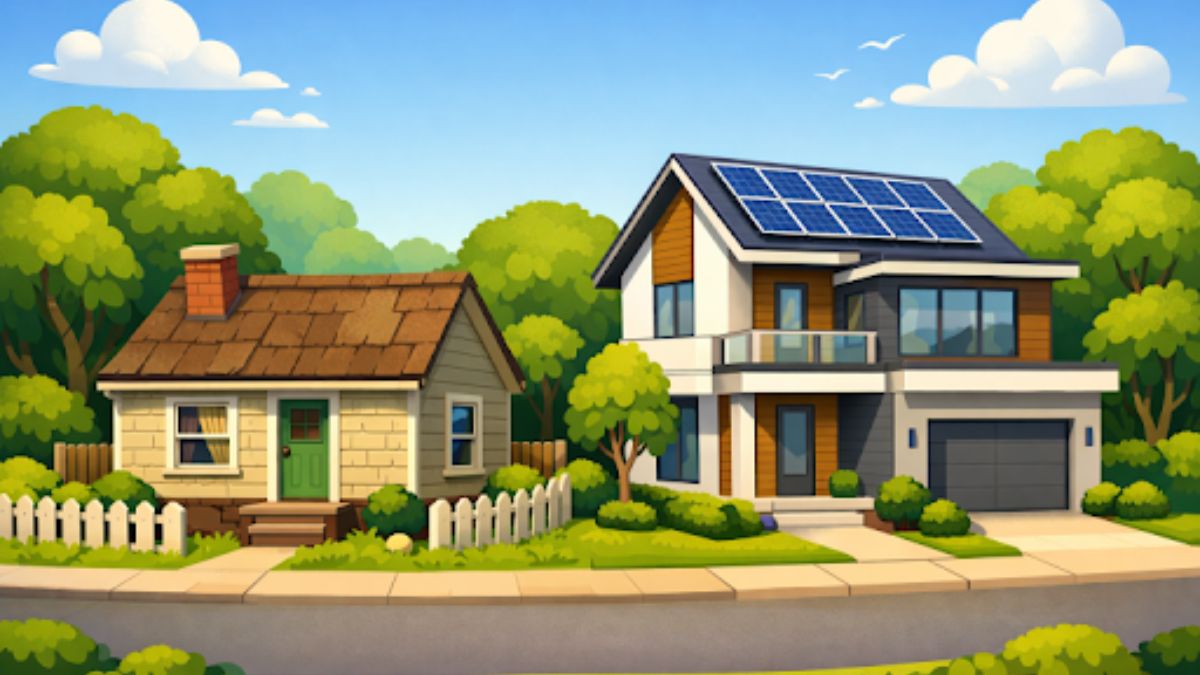
Arlington, Virginia, has undergone striking changes in its residential neighborhoods, particularly as more homeowners and developers turn to demolishing older homes and replacing them with modern, energy-efficient buildings. This transformation is not only visible in the changing skyline but also in the way people seek new types of living spaces. For those navigating this landscape, understanding the key factors influencing this shift is essential. Anyone considering a home rebuild in Arlington, VA must look beyond personal preference, including economic, environmental, and community impacts.
The movement toward modern homes in Arlington reflects both a desire for improved amenities and a response to the evolving demands and opportunities presented by the local real estate market. Available lots are increasingly used for new, larger, and more technologically advanced residences, often part of a broader trend that is reshaping the character of longstanding communities in the region.
Rising Demand for Modern Homes
There is a clear and rising appetite among Arlington’s homebuyers for residences that offer more than traditional property stock. While houses built in the mid-20th century are often sturdy and charming, they commonly lack modern open layouts, updated heating and cooling systems, and advanced energy-saving technologies. Many families, especially those moving from urban nearby areas or seeking to invest long-term, want homes with greater functionality, smart automation, and longevity.
To meet these needs, the market has adjusted. Instead of renovating outdated interiors or expanding existing footprints piecemeal, more buyers are opting to start from scratch. Tear-downs allow for total customization, making it easier to integrate features like chef’s kitchens, integrated home offices, and enhanced natural lighting. The resulting increase in new construction allows Arlington to continually modernize its housing stock while catering to changing lifestyle preferences.
Economic Factors Driving Tear-Downs
One of the dominant forces behind Arlington’s home teardown phenomenon is economics. The underlying value of land in Northern Virginia often rivals, and in some cases exceeds, that of the older homes sitting on it. As the region’s economy and population have grown, so has demand for new homes, driving up housing prices and making it financially sensible to replace outdated structures with high-value new builds.
Comparatively, the cost of attempting a full-scale renovation on a decades-old property often comes close to, or surpasses, the expense of a new build on the same lot. With construction costs rising and consumer preferences shifting, developers are eager to maximize every square foot’s potential, and homebuyers are more willing to invest in personalized, efficient homes. This trend is evident in many other metropolitan markets across the nation, as ARLnow reported in a recent article on home teardowns.
Zoning and Regulatory Considerations
Local government regulations play a significant role in shaping how and where new homes can be built in Arlington. Rules related to setbacks, height limits, lot coverage, and even architectural standards are designed to control neighborhood density, ensure safety, and preserve quality of life. Navigating these regulations can add complexity to the teardown and rebuild process, requiring homeowners to work with architects, civil engineers, and local officials to ensure compliance while designing their dream home.
Recent updates to Arlington’s residential zoning policies have provided more flexibility in certain areas but can also introduce new challenges. For instance, greater allowances for accessory dwelling units (ADUs) and flexible housing options have broadened property owners’ opportunities but require careful planning and permitting before construction can commence. Effective communication with local authorities is essential throughout the process to avoid costly mistakes and delays.
Impact on Community Character
The growing prevalence of teardown-and-rebuild projects has sparked debate among Arlington residents about the area’s architectural diversity and cultural legacy. Newer, larger homes can increase property values and raise a neighborhood’s overall profile, but may also disrupt its historical appearance or sense of close-knit community. Some long-time residents have expressed concern about the pace of change, worried that the loss of mid-century homes will erase elements of Arlington’s unique suburban identity.
To address these concerns, local preservation societies and civic associations have urged thoughtful planning, encouraging homeowners to blend modern convenience with architectural nods to the area’s past. Neighborhood dialogues on smart growth, balanced development, and community character continue to shape the conversation, ensuring an inclusive approach to change.
Sustainability and Environmental Concerns
There are important environmental considerations associated with home tear-downs. Demolition generates significant construction waste, and the environmental costs of disposing of old materials must be factored into community sustainability strategies. However, with each new build comes the opportunity to adopt modern, eco-friendly building practices. Advances in insulation, solar integration, and water conservation technology enable today’s homes to operate with a much smaller ecological footprint than their predecessors.
Homeowners in Arlington are increasingly aware of the sustainability impacts of their decisions. Many are taking extra steps to recycle construction debris, source materials locally, and design homes that use less energy and water over their lifespans. The Environmental Protection Agency (EPA) offers guidelines and resources to help minimize the negative effects of construction and demolition materials, providing practical tools for those committed to greener building practices.
Future Outlook
The trend of home teardowns and rebuilds is expected to continue shaping Arlington well into the future. With a robust job market, high demand for quality housing, and continued innovations in construction and energy efficiency, the incentives to replace outdated properties will likely remain strong. However, the continued evolution of policies, along with ongoing dialogue among residents, local officials, and advocacy groups, will help guide growth that honors both community heritage and sustainability goals.
Successfully navigating the future will depend on Arlington’s ability to balance modernization with preservation, economic opportunity with environmental responsibility, and individualized housing with cohesive community planning. The story unfolding in Arlington today offers valuable insight for cities and suburbs across the country undergoing similar transformations.
-

 HEALTH2 years ago
Integrating Semaglutide into Your Weight Loss Plan: A Practical Guide
-

 HOME IMPROVEMENT2 years ago
How to Choose the Perfect Neutral Area Rug for Every Room
-

 FASHION2 years ago
7 Celebrity-Inspired Elegant Summer Dresses For 2024
-

 HOME2 years ago
Sandra Orlow: The Teen Model Who Captivated the Internet
-

 LAW2 years ago
Teenage Drivers and Car Accidents in California: Risks and Parental Liability
-

 CONSTRUCTION2 years ago
Construction Site Safety Regulations in New York and Your Rights as a Worker
-

 LAW2 years ago
Post-Divorce Considerations in California: Modifications and Long-Term Planning
-

 FINANCE2 years ago
Digital Asset Management in Florida Estate Planning