
HOME
Fezes and Fedoras: A Journey Through Timeless Style


Hats have always been more than just a piece of clothing. They are symbols of status, expressions of individuality, and statements of style. From the Fezes and Fedoras, hats have traversed time and cultures, leaving an indelible mark on fashion history. But why do these hats hold such allure? The fascination with hats goes beyond their practicality. They have been worn as a form of protection from the elements, a badge of rank, and an accent to outfits. In this blog post, we will take you on a fascinating journey through the world of fezes and fedoras, exploring their origins, evolution, and significance in different cultures.
The Origin of the Fez
The fez, with its distinct cylindrical shape and tassel, is an iconic piece of headwear that traces its roots back to ancient times. Originating in the city of Fez in Morocco, this hat gained prominence during the Ottoman Empire. It became a symbol of modernity in the 19th century, replacing the traditional turban in many regions. The fez was not only a fashion statement but also a political tool used to bridge eastern and western cultures. Its adoption signaled an era of reform and modernization in the Ottoman Empire. Despite its association with tradition, the fez has managed to retain its charm and relevance in contemporary fashion.
The Cultural Significance of Fezes
Fezes have played a significant role in various cultures around the world. In the Middle East and North Africa, they were considered an essential part of a man’s attire. Wearing a fez symbolized one’s adherence to tradition and respect for cultural norms. In countries like Turkey, the fez was seen as a marker of identity and was worn by people across different social classes. Even today, fezes continue to be worn during special occasions and ceremonies, serving as a reminder of cultural heritage and history.
The Evolution of Fedoras
Unlike the fez, the fedora emerged in the late 19th century as a fashionable accessory for both men and women. Its wide brim and soft, indented crown made it a versatile choice for various occasions. Initially popularized by actors and celebrities, the fedora quickly became a staple in Western fashion. It was associated with elegance, sophistication, and a touch of mystery. Over the years, the fedora has seen countless transformations in style and design, adapting to changing fashion trends while maintaining its timeless appeal.
Fedoras in Popular Culture
Fedoras have left an indelible mark on popular culture, thanks to their association with iconic figures in film and music. From Humphrey Bogart in “Casablanca” to Indiana Jones in the adventurous saga, fedoras have become synonymous with charisma and intrigue. Musicians like Frank Sinatra and Michael Jackson further solidified the fedora’s place in pop culture history. Today, fedoras continue to be embraced by fashion-forward individuals who appreciate their classic yet contemporary charm.
The Timeless Appeal of Hats
What makes fezes and fedoras endure through the ages? One key factor is their ability to adapt and evolve with changing times. Both hats have undergone numerous reinventions, incorporating modern elements while staying true to their roots. Fezes, for example, have been reimagined with new materials and designs, making them suitable for contemporary fashion. Similarly, fedoras have evolved in shape, size, and color, offering endless possibilities for personal expression.
Versatility in Styling
One of the reasons fezes and fedoras remain popular is their versatility in styling. They can be paired with a wide range of outfits, from casual to formal, adding a touch of personality to any look. Whether you’re dressing up for a special occasion or aiming for a chic everyday ensemble, these hats have the power to elevate your style. Fezes can be worn with traditional attire to enhance cultural authenticity, while fedoras effortlessly complement modern fashion trends.
The Symbolism Behind Hats
Hats have always been imbued with symbolism, representing different aspects of identity and social status. Fezes, for instance, have been associated with religious and cultural significance, often worn during religious ceremonies and festivals. Fedoras, on the other hand, have been linked to sophistication and elegance, symbolizing a refined sense of taste. Wearing a hat can make a bold statement, expressing one’s individuality and paying homage to the rich history and tradition of headwear.
Incorporating Hats into Modern Fashion
Fezes and fedoras continue to be embraced by fashion enthusiasts around the world. Designers and stylists are finding innovative ways to incorporate these timeless hats into modern fashion, combining traditional elements with contemporary aesthetics. Fezes are being reinvented with vibrant colors and patterns, making them a stylish accessory for both men and women. Fedoras, too, are being reimagined with unique materials and embellishments, offering a fresh take on this classic headwear.
The Influence of Celebrities
Celebrities play a significant role in shaping fashion trends, and fezes and fedoras are no exception. Influential figures in the entertainment industry have been spotted donning these hats, further fueling their popularity among fashion-conscious individuals. Celebrities like Johnny Depp and Beyoncé have been seen sporting fedoras on red carpets and in their everyday lives, inspiring fans to incorporate these hats into their own wardrobes. The visibility of fezes and fedoras in popular culture ensures their continued relevance and appeal.
Tips for Choosing the Right Hat
When it comes to choosing the perfect hat, it’s essential to consider factors such as face shape, personal style, and occasion. Fezes are known for their distinct shape and structured design, making them ideal for individuals with oval or heart-shaped faces. They add a touch of elegance and tradition to any outfit. Fedoras, with their wide brims and versatile styles, suit various face shapes and can be adapted to different fashion preferences. Experimenting with different hat styles allows you to find the one that best complements your features and reflects your personal taste.
Maintaining and Caring for Your Hats
To ensure the longevity of your fezes and fedoras, proper care and maintenance are crucial. Cleaning and storing hats correctly can prevent damage and preserve their shape and quality. Fezes should be gently brushed to remove dust and stored in a cool, dry place to avoid moisture damage. Fedoras, particularly those made of felt or straw, require regular brushing and occasional reshaping to maintain their form. Following these care tips will help keep your hats looking their best for years to come.
Finding Your Signature Hat Style
Hats offer an opportunity to express your unique style and personality. Experimenting with different hat styles allows you to discover your signature look. Fezes are an excellent choice for those seeking a touch of cultural heritage and traditional elegance. Meanwhile, fedoras provide a versatile and contemporary option for individuals looking to make a fashion statement. Trying on different hats and exploring various designs will help you find the perfect headwear that complements your individuality and enhances your overall style.
Conclusion
Fezes and fedoras have stood the test of time, captivating generations with their timeless style and cultural significance. These hats have traveled through history, adapting to changing fashion trends while retaining their allure. Whether you’re drawn to the tradition and heritage of the fez or the elegance and sophistication of the fedora, incorporating these hats into your wardrobe allows you to make a statement and celebrate the enduring charm of headwear. Explore the world of fezes and fedoras, and discover the hat that resonates with your unique sense of style.

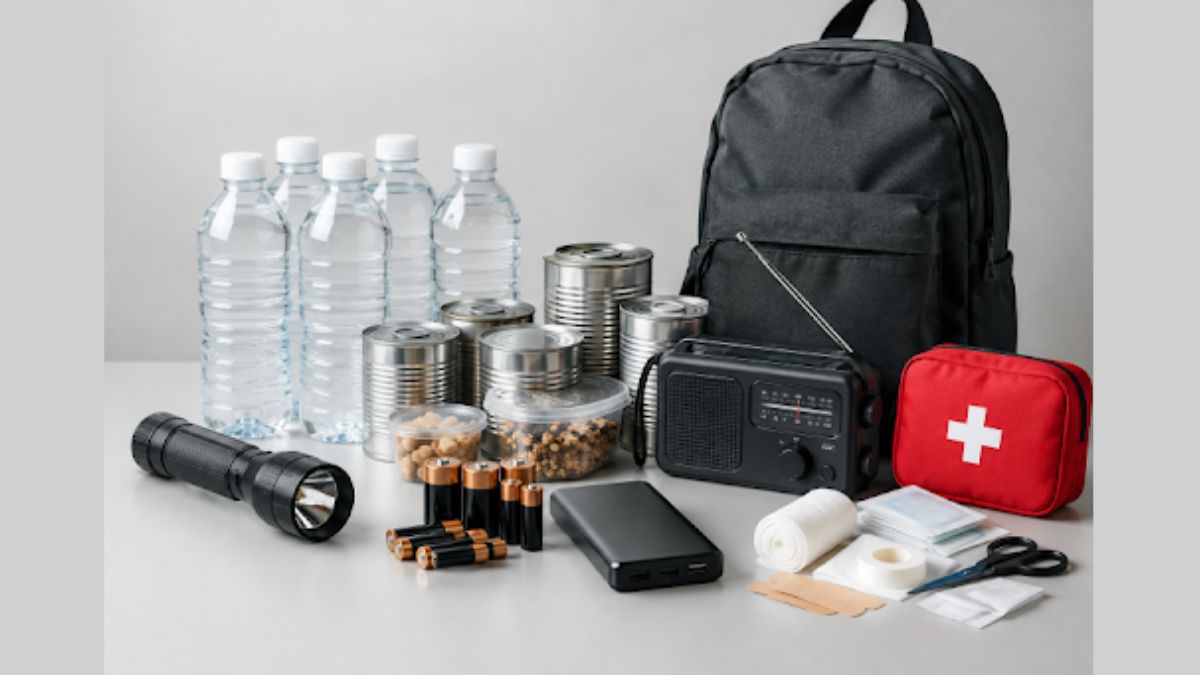
In Bethesda, Maryland, a long power outage can affect far more than lights. It can interrupt refrigeration, heating, or air conditioning, internet access, sump pumps, garage doors, and charging for essential devices. Planning helps your household stay safer and more comfortable when severe weather, fallen trees, or utility problems disrupt service. Homeowners considering reliable backup options can start by exploring home generators Bethesda, MD, for systems designed around the circuits their homes depend on most. The goal is not necessarily to power every appliance. A practical plan identifies what your family needs during the first few hours, the first three days, and during a longer outage. Bethesda households should also account for seasonal conditions, from humid summer heat to winter cold, along with the needs of pets, children, older adults, and anyone using electrically powered medical equipment.
Why Long Outages Need a Plan
A brief blackout may only require flashlights and charged phones. A multi-day outage is different. A gas furnace still commonly needs electricity for controls and blowers, while homes with well pumps can lose water pressure when the power fails. Walk through your normal routine and consider what changes if the garage door, Wi-Fi router, refrigerator, sump pump, or powered medical equipment stops working.
Inventory Electrical Needs
Make a room-by-room list of appliances and systems, then label each as essential, useful, or optional. Essential items may include a refrigerator, selected lights, phone chargers, a sump pump, a furnace blower, or medical equipment. Record the running and startup wattages when available on equipment labels or manuals. A phone charger requires little power, whereas an air conditioner or electric space heater can quickly exceed the capacity of a small backup system.
Build an Outage Kit
Store supplies where everyone can reach them in the dark, rather than behind an electric garage door. Include flashlights, headlamps, lanterns, spare batteries, power banks, charging cables, a battery or hand-crank radio, first-aid supplies, hygiene items, prescription medicines, pet supplies, cash, and a manual can opener. Test lights and power banks regularly, rotate food, and make sure every household member knows the kit location.
Plan for Food and Water
Water and Shelf-Stable Meals
Keep drinking water in clean, food-safe containers, with additional water for cooking, sanitation, and pets. This is especially important for homes that depend on electric well pumps. Build meals around foods that need little preparation, such as canned goods, nut butter, crackers, cereal, dried fruit, shelf-stable milk, and ready-to-eat items. For more detailed guidance on extended outage preparation, review food storage, water planning, and household supply recommendations before storm season.
Refrigerator and Freezer Safety
Keep refrigerator and freezer doors closed as much as possible. A closed refrigerator generally keeps food cold for about four hours, while a full freezer can hold its temperature for about 48 hours. Use appliance thermometers instead of judging food by smell or appearance, and keep ice packs available for coolers if food must be moved.
Compare Backup Power Options
- Portable battery systems: Quiet, indoor-safe options for lights, phones, routers, and some small medical devices. Their runtime depends on battery capacity and connected loads.
- Portable generators: Useful for selected appliances and larger temporary loads, but they require fuel, outdoor operation, and safe connection methods.
- Standby generators: Permanently installed systems that can start automatically and support selected circuits or broader household loads, depending on the design.
Choose based on the loads you must support, expected outage duration, available fuel, noise concerns, and whether professional installation is needed.
Follow Generator and Carbon Monoxide Safety Rules
Carbon monoxide is colorless, odorless, and poisonous. Operate portable generators outdoors only, at least 20 feet from the home, windows, doors, and vents, with exhaust directed away from the building. The carbon monoxide safety guidance from the Consumer Product Safety Commission also advises installing battery-backed carbon monoxide alarms on every level and near sleeping areas. Never run a generator in a garage, basement, shed, porch, carport, or crawlspace. Let it cool before refueling, store fuel in approved containers, and never connect it to household wiring through a standard wall outlet. A properly installed transfer switch is the safer method for powering home circuits.
Prepare for Medical and Special Needs
List every device or medicine that needs power or temperature control. Ask healthcare providers how long medical equipment can operate on internal batteries and what backup options are appropriate. Keep medication lists, dosage information, provider contacts, and insurance details on paper. If staying home would put someone at risk, plan in advance to relocate to a relative’s home, a medical facility, a cooling center, a warming center, or a shelter.
Manage Heat and Cold
During winter outages, close unused rooms, gather in one safe living area, layer clothing, and keep blankets or sleeping bags ready. Never use a gas oven, charcoal grill, or outdoor heater indoors for warmth. During hot weather, close blinds before direct sun warms the home, drink water regularly, use battery-powered fans, and set a clear threshold for leaving if indoor conditions become unsafe for vulnerable residents or pets.
Protect the Home and Electronics
Unplug sensitive electronics during storms or unstable power conditions, while leaving one light connected to show when electricity returns. Restore appliances gradually after service resumes. Check for water intrusion, damaged wiring, tripped breakers, and unusual odors before using affected equipment. Plug-in surge protectors can help protect individual devices, while whole-home surge protection is installed at the electrical panel.
Create a Communication and Evacuation Plan
Write down emergency contacts, choose an out-of-area family contact, and sign up for utility and local emergency alerts. Identify two places you could go if the home becomes too hot, cold, dark, or medically unsafe. Keep cash available because card readers and ATMs may be unavailable, and plan exits that do not rely on an electric garage door, elevator, or traffic signal.
Test and Maintain the Plan
Run a practice outage on a calm evening. Use only the supplies and backup power included in your plan, then note what falls short. Monthly, check batteries, power banks, alarms, medication supplies, and stored water. Seasonally, rotate food, inspect cords and generator equipment, confirm fuel storage practices, and revise the plan after a move, a new appliance, a new pet, or a new medical need.
Conclusion
Preparing for a long power outage in Bethesda means planning for more than a loss of lighting. A practical plan should account for food, water, heating or cooling, communication, medical needs, electronics, and household safety. Identify essential electrical loads, keep emergency supplies accessible, and choose backup power based on your household’s actual needs. Generator safety, carbon monoxide protection, and safe food storage should also be part of the plan. Regularly testing supplies and backup systems can reveal problems before an emergency occurs. By preparing for different outage lengths and considering seasonal conditions and household needs, Bethesda families can respond more calmly and safely when power service is interrupted.

The most successful home updates begin with how people actually live, not with a trending finish or a single inspiration photo. Thoughtful interior home renovations can make a house more comfortable, organized, safe, and adaptable while helping homeowners avoid spending on changes that do not solve daily problems.
Start by looking at each room as a working space. Notice where people crowd one another, where clutter gathers, which areas stay dark, and which rooms rarely get used. Those observations often reveal more useful priorities than a wish list built around colors, fixtures, or furniture.
Start With How the Home Is Used
Conduct a simple room-by-room audit before committing to a project. Ask where the household loses time, which possessions lack a proper home, and what prevents each room from serving its intended purpose. Photograph trouble spots and write down measurements, traffic patterns, and recurring frustrations.
Then separate true needs from preferences. A leaking shower, unsafe stairs, poor ventilation, insufficient outlets, or damaged flooring deserve attention before decorative upgrades. This order protects the budget and reduces the chance that new finishes must be removed later for necessary repairs.
Interior planning also works best when it considers the whole property. For example, improving insulation, entry doors, drainage, or outdoor access through exterior home renovations may support a more comfortable and durable interior project.
Set Priorities Before Choosing Finishes
A practical priority order keeps decisions clear:
- Address structural, safety, and water-related concerns.
- Resolve electrical, plumbing, heating, cooling, and ventilation needs.
- Improve layout, circulation, storage, and accessibility.
- Select durable surfaces, fixtures, and decorative details.
Create a must-have list and a nice-to-have list for every room. If costs rise, reduce or postpone decorative items first instead of compromising on waterproofing, wiring, ventilation, or durable materials.
Plan Improvements Room by Room
Kitchen
A kitchen should support cooking, cleanup, storage, and family traffic without constant bottlenecks. Maintain clear paths between the refrigerator, sink, and cooking area, allow landing space beside appliances, and place everyday dishes near where they are used. A modest refresh may only require better lighting, hardware, flooring, paint, or cabinet refacing. A full renovation makes more sense when the layout, storage, or appliance locations consistently interfere with daily use.
Bathroom
Bathrooms demand careful planning because moisture can damage hidden materials long before it becomes visible. Settle plumbing, waterproofing, exhaust ventilation, and fixture clearances before selecting tile or cabinetry. Slip-resistant flooring, useful vanity storage, bright mirror lighting, and easy-clean surfaces improve everyday use. For long-term flexibility, consider wider access, blocking for future grab bars, and a curbless shower where appropriate.
Living Areas and Bedrooms
Living rooms benefit from open walkways and clear activity zones for conversation, reading, entertainment, or remote work. Built-in shelving, task lighting, durable flooring, updated interior doors, and acoustic treatments can create meaningful change without moving walls. Bedrooms should prioritize quiet, privacy, temperature control, and storage. Flexible guest rooms and children’s rooms can use adaptable closets, layered lighting, and layouts that could later support office or hobby use.
Basements and Lower Levels
Before finishing a lower level, check moisture, drainage, insulation, ceiling height, stair safety, and emergency exits. A basement can become a family room, office, guest area, exercise room, workshop, or organized storage space, but it should feel connected to the rest of the home. Include sufficient lighting, smoke alarms, carbon monoxide alarms where applicable, and safe access routes.
Built in Comfort, Safety, and Efficiency
Comfort is more than appearance. Use ambient lighting for general visibility, task lighting for work surfaces, and accent lighting for depth. When walls or ceilings are open, consider adding insulation, air sealing, updated wiring, and lighting controls. The indoor air quality guidance from the Environmental Protection Agency also underscores why effective ventilation and low-odor paints, sealants, and adhesives deserve attention during renovation planning.
Create a Flexible Budget and Schedule
A realistic budget has three parts: the construction scope, finish selections, and a contingency reserve for concealed damage, required repairs, delays, or design changes. Compare proposals by what is included, not only by the total price. Confirm allowances, permit responsibilities, change-order procedures, material lead times, and the plan for delayed products.
Follow a sensible sequence: inspect and document the home, resolve hidden concerns, confirm the layout, review permits, order long-lead materials, complete behind-the-wall work, install finishes, and conduct a final room-by-room walkthrough. Starting several rooms without a completion plan can leave a home disrupted for longer than necessary.
Balance Resale Value and Personal Enjoyment
Resale value and personal enjoyment overlap, but they are not identical. A luxurious feature may be worthwhile if it improves daily life, even if it does not return every dollar at sale. When resale matters, broad appeal often comes from good lighting, practical storage, durable materials, neutral, adaptable finishes, and well-maintained kitchens and bathrooms. The National Association of REALTORS® tracks remodeling projects and homeowner satisfaction, offering a useful reminder that perceived value depends on both function and local market conditions.
Use a Final Planning Checklist
- Write down each room’s purpose and problems.
- Verify measurements before ordering materials.
- Put safety, repairs, moisture control, and ventilation first.
- Include outlets, lighting, storage, and maintenance needs.
- Choose materials suited to moisture, traffic, and cleaning.
- Keep a contingency reserve and document all selections.
- Review permits, inspections, schedules, warranties, and final details.
Make the Plan Fit the Life
The best renovation is not necessarily the largest. It is the one that solves real problems, supports daily routines, and remains useful as needs change. Begin with one clear goal, make decisions in the right order, and judge every upgrade by how well it helps the home work.

In South San Jose, a home purchase is also a decision about how each ordinary day will work. The right location can make errands, recreation, school routines, and commutes feel manageable, while a beautiful house in the wrong setting can create ongoing inconvenience. Buyers comparing Almaden, Blossom Valley, Santa Teresa, Evergreen, and Cambrian-area options, as well as nearby Silicon Valley communities, should evaluate the neighborhood before becoming attached to a particular property.
For a local perspective, the South San Jose real estate agents Pauline and Jacob David of the Pauline and Jacob Real Estate Team provide home-search, valuation, buyer, seller, and neighborhood resources for San Jose and surrounding Silicon Valley communities. Their experience with local housing choices can be useful when buyers need to compare practical issues such as commute routes, property types, and the day-to-day fit of different areas.
Why the Neighborhood Matters as Much as the Home
Floor plans and finishes are easy to see during a showing. Neighborhood conditions are more gradual and can be more important over time. Location affects travel time, access to groceries and medical care, street activity, parking, noise, privacy, and proximity to parks or trails. In South San Jose, one address may offer quick access to major roads, while another may better suit a buyer who values quieter streets, open space, or shorter trips for everyday needs.
There is no universally best neighborhood. A household with a hybrid work schedule may prioritize a home office and nearby amenities. A buyer with a frequent Peninsula commute may put more weight on route reliability. The goal is to compare each community using the same standards.
Start With a Typical Week
Before touring homes, write down the places you visit regularly. This turns a vague search into a realistic location plan.
- Workplaces, schools, and childcare
- Grocery stores, pharmacies, medical offices, and gyms
- Parks, trails, places of worship, and social destinations
- Family members, friends, and recurring appointments
- Highways, transit connections, airports, and rail stations
Test important routes at the times you would actually travel. A Sunday showing does not reveal weekday traffic, school drop-off activity, toll costs, parking limitations, or how long an afternoon trip may take.
Separate Needs From Nice-To-Haves
Create Three Priority Lists
- Non-negotiables: A comfortable monthly budget, a workable commute, accessibility needs, sufficient bedrooms, or required school arrangements.
- Strong preferences: Walkability, a yard, nearby recreation, public transit, local shops, or a preferred architectural style.
- Helpful extras: A view, newer appliances, extra storage, a finished garage, or community events.
Also consider the next several years. A future job change, pets, an expanding household, visiting relatives, or a desire for lower-maintenance living can change which neighborhood features matter most.
Compare the Full Monthly Cost
List price is only one part of affordability. Two homes with similar prices can have very different ownership costs because of property taxes, insurance, association dues, utilities, landscaping, maintenance, and transportation.
- Mortgage principal and interest
- Property taxes and homeowners insurance
- Flood, earthquake, or other coverage appropriate to the property and lender requirements
- HOA or condominium dues, plus applicable rules
- Utility use, landscaping, and routine repair reserves
- Fuel, tolls, parking, vehicle wear, or transit fares
For example, a lower-priced home may not be the lower-cost choice if it requires a longer daily drive, carries higher insurance costs, or has systems nearing replacement. Use a full monthly estimate before deciding which neighborhood offers the better value. The Consumer Financial Protection Bureau’s home loan toolkit can help buyers review mortgage terms, closing costs, and the steps of the homeownership process.
Use Data Without Making Assumptions
Personal visits should be paired with reliable public information. The Census Bureau’s QuickFacts data can help you compare cities and larger communities by providing information on housing, population, income, and commuting. Broad statistics are a starting point, not a substitute for evaluating a specific street or property.
Review the official school district information for the exact address, rather than relying on an outdated listing description or an informal ranking. Also check local planning pages, zoning maps, public meeting notices, road projects, and proposed development. Distinguish between a project that is approved and one that is still only under discussion.
Visit Each Area More Than Once
A neighborhood can feel different from one hour to the next. Visit serious contenders on a weekday morning, during the afternoon commute, after dark, and on a weekend. Drive to work, school, and common errand locations from the property.
During each visit, observe traffic flow, street lighting, sidewalks, parking, drainage, property upkeep, construction activity, and pedestrian activity. Listen for road, rail, aircraft, commercial, or recreational noise. A single open house is rarely enough to show the area at its busiest or quietest.
Check Safety, Risk, and Property Conditions
Use property disclosures, inspections, official hazard information, and direct observation instead of rumors or broad labels. Ask about prior water intrusion, drainage patterns, visible signs of wear, and any known insurance considerations. During due diligence, a qualified inspection can help identify concerns involving the roof, HVAC equipment, plumbing, electrical system, and foundation.
Also consider nearby land uses. Busy roads, rail lines, airports, industrial operations, and planned construction may affect noise, views, traffic, and parking. These factors do not automatically rule out a home, but they should be reflected in the decision and budget.
Compare Established Areas With Newer Communities
Established Neighborhoods
Established areas may offer mature landscaping, familiar traffic patterns, and nearby services that have been in place for years. Homes may also have older systems, deferred maintenance, or renovation needs that require closer inspection.
Newer Communities
Newer communities can offer modern layouts, newer materials, and recently built amenities. They may also include HOA requirements, ongoing construction, and uncertainty about how surrounding parcels will look after development is complete. Neither choice is automatically better. The stronger option depends on maintenance comfort, budget, lifestyle, and expected ownership period.
Build a Simple Neighborhood Scorecard
Score three to five realistic options from one to five in each category, then add one positive note and one concern for every neighborhood.
- Monthly cost: Taxes, insurance, dues, utilities, maintenance, and transportation.
- Commute: Peak travel time, alternate routes, tolls, and transit access.
- Daily conveniences: Groceries, healthcare, recreation, schools, and other regular services.
- Comfort: Noise, lighting, traffic, parking, privacy, and street conditions.
- Future fit: Household changes, resale flexibility, and nearby development.
Questions to Ask Before Making an Offer
- How does traffic change during work and school hours?
- Are school assignments and enrollment details confirmed for this address?
- What road, housing, transit, or commercial projects are planned nearby?
- What are the current taxes, insurance considerations, and association fees?
- Are there restrictions involving pets, parking, rentals, additions, or remodeling?
- Would this location still work if work, family, or mobility needs changed?
Conclusion
Choosing a South San Jose neighborhood is a long-term lifestyle decision, not simply a comparison of listing prices. By testing daily routines, estimating total ownership costs, researching publicly available information, visiting at different times, and using a consistent scorecard, buyers can make a more confident choice. The objective is not a perfect neighborhood. It is a home location that supports your budget, comfort, and plans for the years ahead.
-

 HEALTH2 years ago
Integrating Semaglutide into Your Weight Loss Plan: A Practical Guide
-

 HOME IMPROVEMENT2 years ago
How to Choose the Perfect Neutral Area Rug for Every Room
-

 FASHION2 years ago
7 Celebrity-Inspired Elegant Summer Dresses For 2024
-

 HOME2 years ago
Sandra Orlow: The Teen Model Who Captivated the Internet
-

 LAW2 years ago
Teenage Drivers and Car Accidents in California: Risks and Parental Liability
-

 CONSTRUCTION2 years ago
Construction Site Safety Regulations in New York and Your Rights as a Worker
-

 LAW2 years ago
Post-Divorce Considerations in California: Modifications and Long-Term Planning
-

 FINANCE2 years ago
Digital Asset Management in Florida Estate Planning