
HOME
Top Tips for Women Concealed Carry: Safety and Practicality

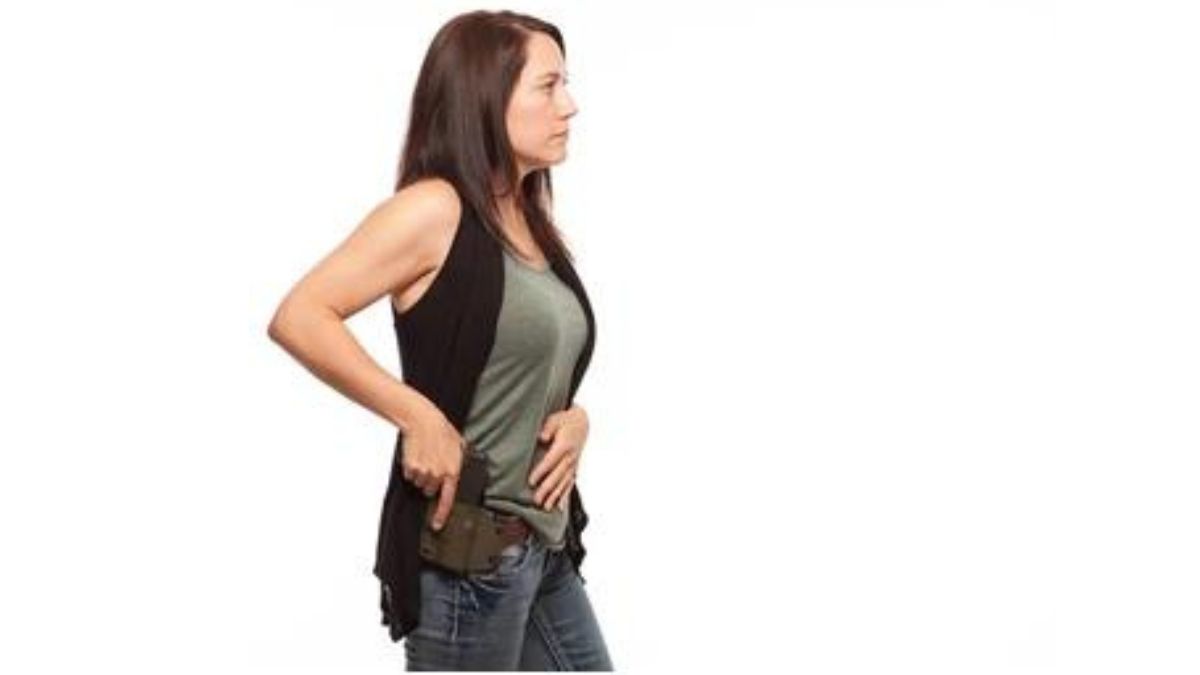
Introduction
Carrying a concealed firearm offers a unique set of challenges and responsibilities, especially for women. The aim is to ensure safety and practicality without compromising personal style or comfort. This guide provides essential tips and considerations for women interested in concealed carry, focusing on various elements that collectively ensure a positive experience. When choosing the best clothes for concealed carry, it’s crucial to balance fashion with functionality. It often means selecting attire designed to conceal firearms effectively while allowing freedom of movement. By doing so, women can confidently carry their guns without drawing unnecessary attention.
Importance of Proper Firearm Selection
Choosing the right firearm is the first step toward practical concealed carry. Selecting a gun that is comfortable to carry and easy to handle is essential. Popular choices include lightweight, compact models that are easy to hide. According to the National Shooting Sports Foundation, smaller calibers can be just as effective when aiming for personal protection. Opting for a firearm with a manageable recoil enhances accuracy and user control, which is especially important during high-stress situations.
Additionally, it’s worth visiting a local gun shop or range where you can handle various models and get a feel for what fits best in terms of grip and weight. Many women find that a slightly smaller grip can provide better control, making the firearm more straightforward to use consistently. Remember, the best firearm is one that you can operate under pressure, so comfort and ease of use are paramount.
Choosing the Right Holster
The holster plays a critical role in ensuring both safety and accessibility. Women have more options today, including specialized holsters for various body types and clothing styles. An ideal holster should provide a secure fit but allow for quick drawing. Holsters that distribute weight evenly improve comfort during extended wear. It is essential for women who might experience discomfort from certain holster types pressing against their bodies. When selecting a holster, consider both inside-the-waistband (IWB) and outside-the-waistband (OWB) options. While IWB holsters offer better concealment, OWB holsters provide greater comfort depending on your daily activities and attire. Holster material is another crucial factor; leather, kydex, and hybrid options each have advantages, so it’s worth trying out a few to see which works best for you. Lastly, ensure your holster provides consistent retention, keeping your firearm secure during all movement.
Training and Practice
Proper training and consistent practice are indispensable for anyone carrying a concealed firearm. It’s recommended to not only practice shooting but also rehearse drawing the gun from its concealed position. Many shooting ranges offer courses specifically designed for women, enhancing their skills in a supportive environment. Practicing under realistic conditions, such as wearing the same clothes and holster setup, ensures preparedness in self-defense scenarios.
Courses on defensive shooting tactics can also be highly beneficial. Typically, these classes address essential subjects like being aware of one’s surroundings, evaluating potential threats, and mastering shooting skills. Women can build muscle memory and confidence by investing time in regular practice, ensuring they remain composed and effective should a real-life situation arise. Remember, practical concealed carry isn’t just about owning a firearm; it’s about being prepared to use it safely and efficiently.
Understanding Local Laws
Concealed carry laws vary significantly between jurisdictions. To ensure compliance, it is crucial to be fully aware of local regulations. This includes knowing the permitted locations for carrying a firearm and any required permits or certifications. Ignorance of the law is not a valid defense and can lead to severe legal consequences. Familiarize yourself with gun laws in your home jurisdiction and any locations you plan to visit.
Moreover, it is recommended to stay current with any revisions to these laws as they may develop. Resources such as state websites and gun rights organizations can provide current information. Enrolling in a concealed carry class that covers local laws can also be valuable, offering insights into legal requirements and practical considerations for everyday concealed carry. Understanding the legal landscape ensures you can carry your firearm responsibly and legally, avoiding any unnecessary legal complications.
Dressing for Concealment
Choosing the proper attire can make a significant difference in successful concealed carry. There are various clothing options available that allow for discreetly carrying a firearm without sacrificing style. Many women opt for layered or specially designed garments incorporating concealed carry features. For instance, jackets with built-in holsters or jeans intended for concealed carry can make it easier to carry a firearm comfortably and securely. It’s essential to consider how your clothing interacts with your choice of firearm and holster. Tight-fitting clothes might make concealment more challenging, so opting for slightly looser garments can help. Additionally, wearing clothes with patterns or darker colors can minimize printing—the visible outline of your firearm through your clothes. Investing in quality concealment clothing designed for women ensures functionality and fashion, allowing you to integrate your firearm seamlessly into your everyday wardrobe.
Handling and Maintenance of the Firearm
Regularly maintaining and adequately handling the firearm are vital aspects of responsible ownership. Ensuring the gun is clean and in good working condition can prevent malfunctions when it matters most. It’s also essential to handle the firearm safely, following the basic gun safety rules. It includes:
- Always keep the gun aimed in a safe direction.
- Wait to touch the trigger until you are prepared to fire.
- Being aware of your target and what lies beyond it.
Routine maintenance tasks include cleaning the barrel, checking the moving parts, and ensuring the magazine springs function correctly. Investing in a good cleaning kit and following the manufacturer’s maintenance recommendations can extend the life of your firearm and ensure it functions reliably. Regularly practicing safe handling techniques reinforces good habits, making them second nature and reducing the risk of accidental discharge or mishandling.
Mental Preparedness and Situational Awareness
Carrying a concealed firearm requires a heightened level of mental preparedness and situational awareness. Awareness of one’s surroundings and understanding how to respond to potential threat scenarios can significantly enhance personal safety. Training in self-defense techniques is also highly recommended. Developing a constant vigilance mindset helps recognize threats early and react appropriately. Mental preparedness involves visualizing different scenarios and planning your responses. This kind of mental rehearsal can improve decision-making under pressure. Additionally, learning to read body language and environmental cues can provide early warnings of potential danger. Investing in training focusing on de-escalation techniques and lethal force ensures a balanced approach to personal safety and can be as crucial as physical preparedness.
Conclusion
Concealed carry for women involves careful consideration of various factors, from firearm selection to daily mental preparedness. Women can carry a concealed firearm confidently and responsibly by paying attention to these elements. Making informed choices about weapons, holsters, training, and clothing ensures that concealed carry becomes a safe and practical option, empowering women to protect themselves while maintaining their lifestyle and peace of mind.

In South San Jose, a home purchase is also a decision about how each ordinary day will work. The right location can make errands, recreation, school routines, and commutes feel manageable, while a beautiful house in the wrong setting can create ongoing inconvenience. Buyers comparing Almaden, Blossom Valley, Santa Teresa, Evergreen, and Cambrian-area options, as well as nearby Silicon Valley communities, should evaluate the neighborhood before becoming attached to a particular property.
For a local perspective, the South San Jose real estate agents Pauline and Jacob David of the Pauline and Jacob Real Estate Team provide home-search, valuation, buyer, seller, and neighborhood resources for San Jose and surrounding Silicon Valley communities. Their experience with local housing choices can be useful when buyers need to compare practical issues such as commute routes, property types, and the day-to-day fit of different areas.
Why the Neighborhood Matters as Much as the Home
Floor plans and finishes are easy to see during a showing. Neighborhood conditions are more gradual and can be more important over time. Location affects travel time, access to groceries and medical care, street activity, parking, noise, privacy, and proximity to parks or trails. In South San Jose, one address may offer quick access to major roads, while another may better suit a buyer who values quieter streets, open space, or shorter trips for everyday needs.
There is no universally best neighborhood. A household with a hybrid work schedule may prioritize a home office and nearby amenities. A buyer with a frequent Peninsula commute may put more weight on route reliability. The goal is to compare each community using the same standards.
Start With a Typical Week
Before touring homes, write down the places you visit regularly. This turns a vague search into a realistic location plan.
- Workplaces, schools, and childcare
- Grocery stores, pharmacies, medical offices, and gyms
- Parks, trails, places of worship, and social destinations
- Family members, friends, and recurring appointments
- Highways, transit connections, airports, and rail stations
Test important routes at the times you would actually travel. A Sunday showing does not reveal weekday traffic, school drop-off activity, toll costs, parking limitations, or how long an afternoon trip may take.
Separate Needs From Nice-To-Haves
Create Three Priority Lists
- Non-negotiables: A comfortable monthly budget, a workable commute, accessibility needs, sufficient bedrooms, or required school arrangements.
- Strong preferences: Walkability, a yard, nearby recreation, public transit, local shops, or a preferred architectural style.
- Helpful extras: A view, newer appliances, extra storage, a finished garage, or community events.
Also consider the next several years. A future job change, pets, an expanding household, visiting relatives, or a desire for lower-maintenance living can change which neighborhood features matter most.
Compare the Full Monthly Cost
List price is only one part of affordability. Two homes with similar prices can have very different ownership costs because of property taxes, insurance, association dues, utilities, landscaping, maintenance, and transportation.
- Mortgage principal and interest
- Property taxes and homeowners insurance
- Flood, earthquake, or other coverage appropriate to the property and lender requirements
- HOA or condominium dues, plus applicable rules
- Utility use, landscaping, and routine repair reserves
- Fuel, tolls, parking, vehicle wear, or transit fares
For example, a lower-priced home may not be the lower-cost choice if it requires a longer daily drive, carries higher insurance costs, or has systems nearing replacement. Use a full monthly estimate before deciding which neighborhood offers the better value. The Consumer Financial Protection Bureau’s home loan toolkit can help buyers review mortgage terms, closing costs, and the steps of the homeownership process.
Use Data Without Making Assumptions
Personal visits should be paired with reliable public information. The Census Bureau’s QuickFacts data can help you compare cities and larger communities by providing information on housing, population, income, and commuting. Broad statistics are a starting point, not a substitute for evaluating a specific street or property.
Review the official school district information for the exact address, rather than relying on an outdated listing description or an informal ranking. Also check local planning pages, zoning maps, public meeting notices, road projects, and proposed development. Distinguish between a project that is approved and one that is still only under discussion.
Visit Each Area More Than Once
A neighborhood can feel different from one hour to the next. Visit serious contenders on a weekday morning, during the afternoon commute, after dark, and on a weekend. Drive to work, school, and common errand locations from the property.
During each visit, observe traffic flow, street lighting, sidewalks, parking, drainage, property upkeep, construction activity, and pedestrian activity. Listen for road, rail, aircraft, commercial, or recreational noise. A single open house is rarely enough to show the area at its busiest or quietest.
Check Safety, Risk, and Property Conditions
Use property disclosures, inspections, official hazard information, and direct observation instead of rumors or broad labels. Ask about prior water intrusion, drainage patterns, visible signs of wear, and any known insurance considerations. During due diligence, a qualified inspection can help identify concerns involving the roof, HVAC equipment, plumbing, electrical system, and foundation.
Also consider nearby land uses. Busy roads, rail lines, airports, industrial operations, and planned construction may affect noise, views, traffic, and parking. These factors do not automatically rule out a home, but they should be reflected in the decision and budget.
Compare Established Areas With Newer Communities
Established Neighborhoods
Established areas may offer mature landscaping, familiar traffic patterns, and nearby services that have been in place for years. Homes may also have older systems, deferred maintenance, or renovation needs that require closer inspection.
Newer Communities
Newer communities can offer modern layouts, newer materials, and recently built amenities. They may also include HOA requirements, ongoing construction, and uncertainty about how surrounding parcels will look after development is complete. Neither choice is automatically better. The stronger option depends on maintenance comfort, budget, lifestyle, and expected ownership period.
Build a Simple Neighborhood Scorecard
Score three to five realistic options from one to five in each category, then add one positive note and one concern for every neighborhood.
- Monthly cost: Taxes, insurance, dues, utilities, maintenance, and transportation.
- Commute: Peak travel time, alternate routes, tolls, and transit access.
- Daily conveniences: Groceries, healthcare, recreation, schools, and other regular services.
- Comfort: Noise, lighting, traffic, parking, privacy, and street conditions.
- Future fit: Household changes, resale flexibility, and nearby development.
Questions to Ask Before Making an Offer
- How does traffic change during work and school hours?
- Are school assignments and enrollment details confirmed for this address?
- What road, housing, transit, or commercial projects are planned nearby?
- What are the current taxes, insurance considerations, and association fees?
- Are there restrictions involving pets, parking, rentals, additions, or remodeling?
- Would this location still work if work, family, or mobility needs changed?
Conclusion
Choosing a South San Jose neighborhood is a long-term lifestyle decision, not simply a comparison of listing prices. By testing daily routines, estimating total ownership costs, researching publicly available information, visiting at different times, and using a consistent scorecard, buyers can make a more confident choice. The objective is not a perfect neighborhood. It is a home location that supports your budget, comfort, and plans for the years ahead.

The island most visitors compare it to is the wrong benchmark. Ischia is several times larger than Capri, lies further out, and has almost none of the compressed drama that makes its neighbour photograph so well which is exactly why a day spent there works better when it is planned around three stops rather than eight. An Ischia boat charter from Sorrento or Naples runs seven to eight hours on the water, and the arithmetic of that day is the first thing worth understanding.
The crossing is longer, so the stops must be fewer
Ischia sits at the western edge of the Gulf of Naples, and reaching it takes a meaningful share of the day at either end. What remains is enough for a proper circuit of an island with a coastline considerably longer than Capri’s, provided the day is not fragmented. Three anchorages of an hour each produce a good day; seven stops of twenty minutes produce a boat trip that nobody remembers.
This is the practical difference between the two islands. A Capri day is short on water and dense with landmarks, so a checklist works. An Ischia day is long on water and spread out, so the checklist is what ruins it. The stops that make the difference are the ones where people get into the sea and stay there.
What the coast offers from a boat
The Aragonese Castle is the fixed point, sitting on its own islet off the eastern side and connected to the town by a causeway; from the water it is a far better piece of architecture than it is from the road. Around the rest of the island the coast alternates between bays and grottoes, and the skipper picks the swimming spots according to the wind on the day rather than from a fixed list which is why the itinerary is worth leaving open.
Then there is the feature no other island in the gulf has. Ischia is volcanic, and hot springs surface in places along the shore where thermal water meets the sea. Reaching those from a boat, at the hour when the hot water and the sea have mixed to something you can actually sit in, is not like swimming anywhere else on this coast and it is the sort of stop that needs local knowledge to time rather than a guidebook to locate.
A word of caution about the springs: water that emerges from a volcanic system can be considerably hotter than it looks, and the comfortable spots are the ones where it has already mixed with the sea. Finding the mix rather than the source is the whole skill, and it is not something to go looking for alone.
Procida lies between Ischia and the mainland and can be folded into the same day, but it is a real addition rather than a detour: adding it means removing something else. On a seven-to-eight-hour day, two islands is an ambitious plan, not a bonus.
Read what is included before comparing prices
A charter here comes with an English-speaking skipper and an assistant, drinks, snacks and towels, Wi-Fi and Bluetooth, fuel, and a cabin and toilette on board — which is more relevant than it sounds on a day that long with children or with anyone who needs shade. Snorkelling equipment is available on request, and asking in advance is the difference between having it and not.
Equally worth reading is the other list. Transport to the marina, mooring fees, local taxes and tickets to attractions sit outside the charter price, and they are the items that make two quotes look different when they are not. Comparing a figure that includes moorings against one that does not is the most common way to misjudge the cost of a day at sea.
The length of the day deserves the same honesty. Seven or eight hours on the water is long for small children and for anyone who is unsure at sea, and the crossing out is the least sheltered part of it. Leaving early, when the wind is usually at its lightest, makes that leg easier than making it up in the afternoon — and anyone who suspects they are prone to motion sickness should sort it out before boarding rather than halfway to the island.
Which island suits which day
Choose Capri when the day is short, when the people on board want the famous coast, and when arriving somewhere lively in the evening is part of the appeal. Choose Ischia when there is a full day available, when swimming matters more than sightseeing, and when the group would rather be in three places properly than in eight places briefly.
Both are reachable from the same marinas, on the same boats, with the same skipper. The difference is not the destination it is how many times the engine gets switched off.
HOME
How Heaven Lights Christian Paradigm Helps Readers Explore Christian Faith, Modern Science, and Creation


Questions about creation, light, time, life, and the universe can feel difficult when readers are told they must choose between Christian faith and scientific inquiry. The heaven lights a christian paradigm ebook offers an explicitly Scripture-centered starting point for people who want to examine those questions without treating the Bible as an afterthought.
Heaven Lights is not presented as a neutral science textbook. It is a Christian theological and philosophical framework that asks readers to consider creation through biblical revelation, especially when thinking about cosmology, the origins of life, and the meaning of physical reality. Its value lies in making its starting point clear: God is the creator, and Scripture is essential to understanding creation.
Why Do Faith and Science Seem Difficult to Connect?
Science investigates the observable world through evidence, measurement, testing, and revision. Theology also considers questions that scientific methods do not settle on their own, including purpose, meaning, moral responsibility, revelation, and humanity’s relationship with God. Tension often arises when people assume that one kind of question must eliminate the other.
Many Americans do not see the relationship as purely hostile. In a recent survey, 56% of Protestants and 52% of Catholics said science and religion are mostly compatible. That does not mean Christians agree on every scientific or theological issue, but it does show why resources that address both faith and science continue to matter.
Heaven Lights enters this conversation by offering a direct Christian interpretation rather than a general overview of competing religious positions. Readers are invited to explore whether a biblical worldview changes the way they understand the universe and its origins.
What Is Heaven Lights Christian Paradigm?
Heaven Lights Christian Paradigm is a publication focused on faith, creation, science, and the operation of the universe. The Heaven Lights website describes the work as replacing Big Bang and Darwinian paradigms with an account of how God made and maintains the universe.
The site also offers a PDF book format and frames the reader’s entry into the material with Matthew 7:7-8 and Genesis 28:16-17. Those passages emphasize seeking, asking, discovering, and recognizing God’s presence. For someone making a Heaven Lights Christian Paradigm ebook request, the publication is best understood as a resource for sustained study, not a brief answer to every question about science and faith.
How Does Heaven Lights Use Scripture to Frame Creation?
Heaven Lights begins with biblical revelation. Genesis and other passages concerning light, the heavens, the earth, and God’s creative authority serve as interpretive foundations rather than supporting quotations added after scientific conclusions have already been formed.
This approach encourages readers to ask questions such as: What does the Bible say about the beginning of the universe? What does light signify in both physical and theological terms? How should Christians understand God’s relationship to space and time? And what can human observation tell us, or not tell us, about ultimate origins?
Christians interpret creation passages in different ways. Some read Genesis primarily as a historical account of material origins, while others emphasize its theological teaching about God’s sovereignty, human purpose, and the goodness of creation. Heaven Lights represents a particular biblical interpretive position, so readers should engage it thoughtfully and compare its conclusions with Scripture itself.
What Does Heaven Lights Say About Light, Space, and Time?
Light is a recurring theme in the Heaven Lights framework. The publication connects biblical language about light with questions about the visible universe, celestial bodies, the void, space-time, and the relationship between physical observation and divine action.
These are significant subjects in mainstream cosmology as well. NASA explains that the cosmic microwave background is the oldest light observable in the universe, and modern cosmology uses observations such as cosmic expansion and that background radiation when studying the universe’s early development. Heaven Lights challenges the assumptions and conclusions of that broader scientific framework through its own Christian paradigm.
That distinction matters. A faith-based interpretation may raise philosophical and theological questions about cause, design, and purpose, but it should not be described as an established scientific finding unless it has been tested and accepted through the relevant scientific processes.
How Does Heaven Lights Challenge Conventional Creation Narratives?
Heaven Lights questions the use of Big Bang and Darwinian models as complete accounts of reality. Its central concern is not merely whether natural processes can be observed, but whether naturalistic explanations can answer deeper questions about first cause, order, meaning, design, and God’s continuing relationship with creation.
Readers should distinguish carefully between challenging a paradigm and disproving it. Mainstream scientific theories are evaluated through evidence, predictive power, peer review, and continued testing. Heaven Lights instead offers an alternative Christian worldview that begins from the conviction that divine revelation provides necessary insight into origins and existence.
Questions Readers Can Explore Through Heaven Lights
- What does Scripture teach about the beginning and sustaining of creation?
- How do God, light, space, and time relate within a Christian worldview?
- Can scientific observation identify the ultimate cause of existence?
- What assumptions influence modern cosmological explanations?
- How does Heaven Lights interpret creation and biological life?
- What role should biblical revelation have when physical evidence cannot answer a question directly?
- How can a reader compare biblical and naturalistic explanations fairly?
How Should Readers Evaluate the Heaven Lights Approach?
- Identify the starting point. Heaven Lights begins with Christian belief in God as creator and Scripture as revelation.
- Separate types of reasoning. Biblical interpretation, philosophical reflection, and scientific evidence are related, but they are not identical forms of inquiry.
- Watch the language. Distinguish among a proposed model, a theological interpretation, and a scientific conclusion supported by broad evidence.
- Compare assumptions. Consider how each worldview defines origin, order, explanation, design, and purpose.
- Read the material directly. Review the full Heaven Lights publication before accepting or rejecting its claims.
What Makes Heaven Lights Useful for Faith-Based Study?
Heaven Lights brings biblical interpretation, creation, cosmology, and worldview questions into one focused resource. That can make it useful for individual reflection, conversations with a pastor, or group discussion among readers who want an openly Christian approach to scientific questions.
A productive study method is to begin with the introductory material, note the biblical passages used in the argument, record the publication’s central assumptions, and then compare those assumptions with mainstream explanations. Difficult issues can be discussed with trusted Bible teachers, science educators, and other qualified readers.
What Are the Limits of the Heaven Lights Model?
Heaven Lights should be approached as a faith-based paradigm. It does not replace astronomical observation, laboratory research, or the peer-reviewed methods used in professional science. Likewise, scientific models do not by themselves answer every theological question about God, purpose, or revelation.
The most constructive reading posture is one of intellectual honesty. Readers can take Scripture seriously, consider the publication’s claims carefully, recognize the range of Christian views on creation, and avoid overstating what either theology or science has conclusively demonstrated.
Frequently Asked Questions
Is Heaven Lights a science textbook?
No. It is better described as a Christian resource that applies biblical ideas to questions about creation, science, and the universe.
Does Heaven Lights support the Big Bang and Darwinian paradigms?
No. The Heaven Lights website presents the publication as an alternative to those paradigms.
Who may find Heaven Lights helpful?
It may interest Christians, Bible study groups, worldview students, and readers who want to investigate scientific questions from an explicitly biblical perspective.
How can someone access the Heaven Lights material?
The official Heaven Lights website provides the available publication information and describes a book in PDF format for readers who want to study the framework in greater detail.
Why Heaven Lights Matters
Heaven Lights Christian Paradigm does not remove every disagreement about faith and science. Its contribution is to give readers a clearly defined Christian framework for exploring creation, light, time, space, life, and the limits of scientific explanation. Readers who approach it with faith, careful reasoning, and a willingness to examine competing assumptions can use it as a starting point for deeper study.
-

 HEALTH2 years ago
Integrating Semaglutide into Your Weight Loss Plan: A Practical Guide
-

 HOME IMPROVEMENT2 years ago
How to Choose the Perfect Neutral Area Rug for Every Room
-

 FASHION2 years ago
7 Celebrity-Inspired Elegant Summer Dresses For 2024
-

 HOME2 years ago
Sandra Orlow: The Teen Model Who Captivated the Internet
-

 LAW2 years ago
Teenage Drivers and Car Accidents in California: Risks and Parental Liability
-

 CONSTRUCTION2 years ago
Construction Site Safety Regulations in New York and Your Rights as a Worker
-

 LAW2 years ago
Post-Divorce Considerations in California: Modifications and Long-Term Planning
-

 FINANCE2 years ago
Digital Asset Management in Florida Estate Planning