
TECHNOLOGY
The Benefits of Choosing Custom Caster Wheels

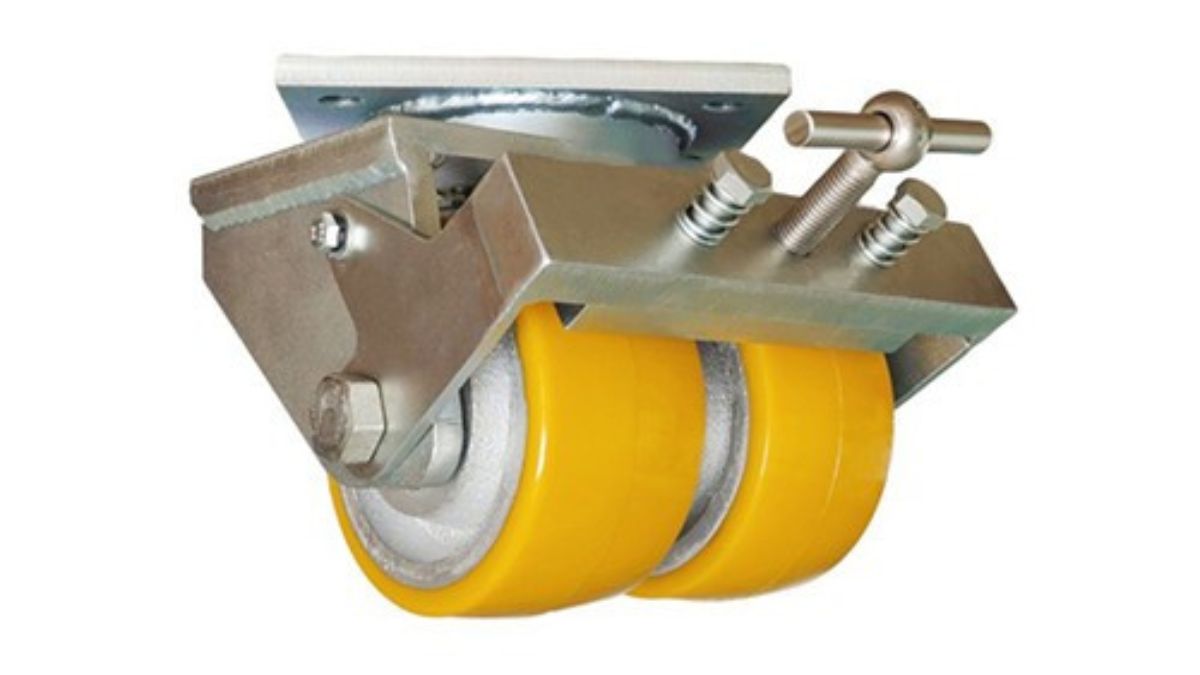
Caster wheels are specialized, custom-engineered wheels that meet customers’ specific requirements. This could involve creating a unique caster based on a unique design or changing an existing caster, such as changing the mounting layout, total caster height, swivel lead, and bearings.
These custom-engineered wheels and casters have many benefits, like optimizing the cost of your product, improved durability, and safety features. This blog post will explore the benefits of custom-engineered casters and their uses in various industries.
Let’s start with discussing the advantages of custom caster wheels.
Top 8 Advantages of Using Custom Engineered Wheels:
Custom-engineered wheels offer many advantages over standard off-the-shelf caster wheels. Their custom property makes them an appealing choice for businesses looking to optimize their operations. Let’s explore some of the critical benefits custom caster wheels offer.
1. Made to Match Specific Uses:
One significant advantage of custom-engineered wheels is the ability to tailor them to the unique requirements of different applications and industries. The caster industry offers flexibility to engineer and build wheels optimized for factors like load capacity, types of floors, environment, and specific equipment needs. This level of customization enables better performance and efficiency compared to generic off-the-shelf caster wheels.
2. Improved Durability and Longevity:
Custom caster wheels are constructed using high-grade materials to match the intended application. Custom-engineered wheels can handle required loads and stresses more effectively by selecting suitable materials and ensuring proper sizing and construction. This gives the casters longer lifespans, reducing maintenance and replacement costs.
3. Enhanced Safety Features:
Adding custom safety parts to casters is essential for industrial uses. Brakes, locks, guards, and other things can help reduce workplace accidents and injuries. These custom caster wheels don’t just improve safety; they’re built to align with specific industry standards and regulations, ensuring compliance and reducing liabilities.
4. Increased Maneuverability:
Maneuvering equipment easily is vital for many jobs, especially in tight spaces. Custom caster wheels and swivel offsets let workers move loads around obstacles and small spaces without trouble, making getting more things done faster and less tiring.
5. Reduced Noise and Floor Damage:
In places like hospitals, offices, and facilities, quiet operation and floor protection matter. Custom casters can have softer wheels and shock absorption to reduce noise. This prevents scuffs and scratches on floors, contributing to the space’s aesthetic appeal while making the working environment more enjoyable.
6. Compatibility with Existing Equipment:
When a company upgrades or switches out its casters, making them fit with current equipment is a big deal. Custom casters can be designed to work seamlessly with a company’s existing equipment and infrastructure, eliminating the need for costly modifications or replacements. This guarantees the best fit and functionality, reducing downtime and increasing return on investment.
7. Potential for Unique Designs:
The caster industry allows the designing of highly specialized wheels for unique uses. You can get custom wheels that fit your needs, mixing in special features, materials, and looks. This is an excellent chance for businesses to make their equipment stand out and boost their brand, giving them an edge over the competition.
8. Cost-Effectiveness:
Even though going custom with caster wheels might seem pricier at first than picking something ready-made, it tends to save money. Custom-engineered wheels offer more durability, performance efficiency, safety, and compatibility. These benefits mean lower operating and maintenance costs over time. By choosing to customize, companies can nail down the most cost-friendly option that meets their unique needs, making the most of their budget and resources.
Key Considerations When Opting for Custom Caster Wheels:
Picking custom caster wheels for a particular use requires considering some essential things to get the best durability, performance, and value.
-
Understanding Your Requirements:
The first important step is thoroughly examining your application’s unique requirements. This means looking at factors like the operating conditions, how much load the casters must handle, manoeuvrability needs, etc. Clearly defining these specifics ensures the custom engineered wheels match what you need.
-
Selecting the Right Materials:
The caster industry uses many wheel materials, each with unique properties and advantages. Polyurethane, for example, is super durable, resists chemicals and abrasion, and absorbs shocks well. Steel casters support heavier loads and hold up in harsh settings. Rubber works great on smooth surfaces, giving excellent traction and noise reduction.
-
Working with the Right Manufacturer:
Working with an established, reputable caster manufacturer such as Caster Concepts is crucial for custom-engineered wheels. Their skills and resources allow them to design casters to meet exact specifications. They also offer valuable guidance on materials, sizing, customization, etc., for optimal longevity and performance.
Use Cases of Custom Caster Wheels in Various Industries:
Custom caster wheels have applications across many industries, each with unique needs and challenges. Let’s look at how specialized engineered wheels are used in various sectors to improve productivity, safety, and efficiency.
Manufacturing & Automotive:
In manufacturing and automotive, custom caster wheels are essential for moving heavy parts, assemblies, and equipment within factories and assembly plants. These industries often need tailored casters for automated guided vehicles (AGVs) and robots to ensure smooth, precise movement of materials and finished products.
Aerospace:
The aerospace sector depends on custom caster wheels to transport large parts like engines, landing gear, and fuselages. Precision casters are essential for safely and efficiently moving sensitive equipment while maintaining cleanliness in controlled settings like clean rooms. Custom-engineered wheels enable secure handling of these critical components during manufacturing and maintenance.
Medical & Pharmaceutical:
In the medical and pharmaceutical sectors, custom caster wheels equip various gear such as hospital beds, stretchers, carts, and diagnostic devices. These sectors need casters with specific qualities like antimicrobial properties and autoclavable materials to maintain sterile conditions. Custom-engineered wheels enable smooth mobility and patient comfort and support strict hygiene standards.
Food Processing:
Food processing sites require custom caster wheels that withstand constant washdowns and resist corrosion. Stainless steel and corrosion-resistant casters are vital for maintaining cleanliness and sanitation. High-temperature casters also prove critical for equipment like ovens and cooking appliances, delivering reliable performance under extreme conditions.
Warehousing & Logistics:
In warehousing and logistics, heavy-duty custom caster wheels equip pallet jacks, order pickers, and other material-handling machinery to haul goods efficiently. Casters with tracking abilities and RFID technology can integrate to improve inventory control and streamline operations. Custom engineered wheels ensure optimal load capacity, durability, and maneuverability in these fast-settings.
Hospitality & Retail:
Hospitality and retail industries benefit from custom caster wheels that blend function and looks. Designer casters furnish furniture, display racks, and store fixtures to create visually appealing and mobile solutions. Quiet and non-marking casters are essential for customer-facing areas to reduce noise and protect flooring, ensuring a pleasant shopper experience.
Conclusion:
In summary, custom caster wheels bring many benefits to different fields by boosting how gear works, increasing safety, and making things easier to move—all while cutting costs over time. The caster industry offers customized solutions to improve their durability and life span. Choosing custom-engineered wheels means your operations run smoother, less downtime, and everyone’s safer on the job.
Businesses should consider working with a specialized manufacturer, such as Caster Concepts, to discuss their specific needs and take advantage of the benefits of custom caster wheels for their applications.
Contact their professionals to learn more about customized casters tailored to your needs.

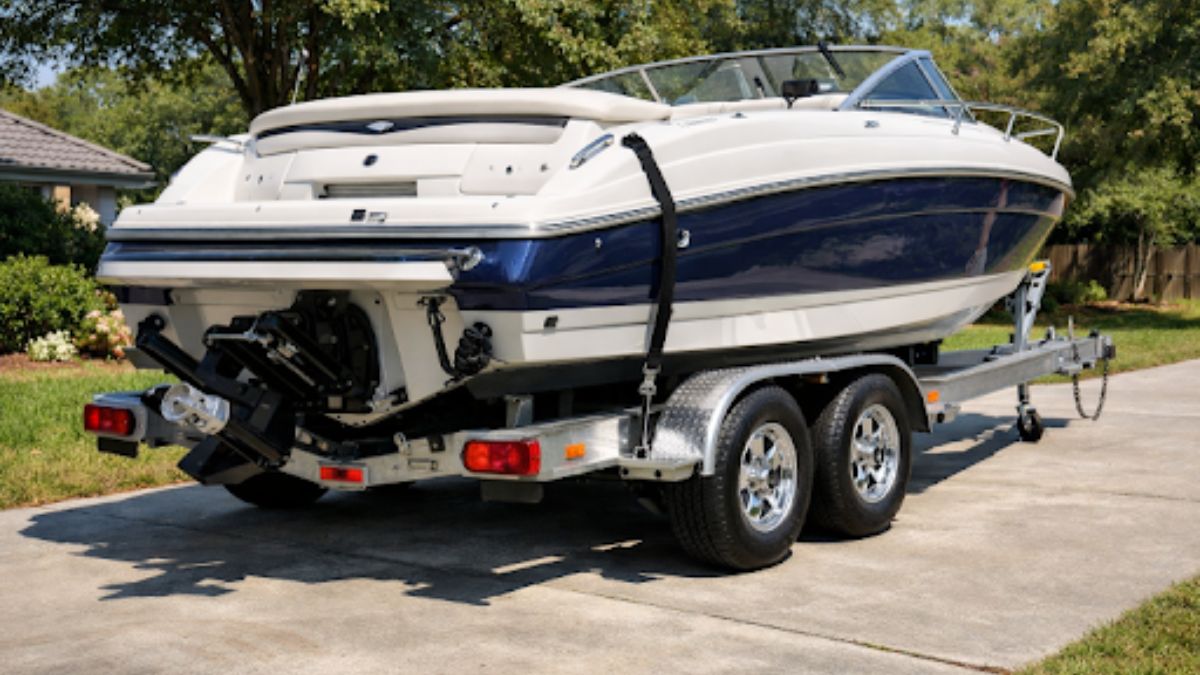
Ensuring your boat trailer is always in optimal condition is vital for the safe, reliable, and efficient transport of your vessel. Regular care reduces potential hazards on the road and preserves the value of both your trailer and your boat. Whether you are gearing up for another boating season or storing your trailer during the winter, adopting strong maintenance habits is indispensable. Resources like cargo trailers Delaware are excellent starting points if you’re searching for additional trailer options or maintenance support in your area.
Boat trailers often face harsh conditions, particularly when repeatedly immersed in water, underscoring the importance of vigilant upkeep. From tires to lights and brakes, every system needs attention to avoid preventable failures. Regular inspections and scheduled maintenance safeguard your investments and ensure a worry-free journey to and from your boating destinations. Proper maintenance is not just about addressing potential breakdowns. It’s also about maximizing the trailer’s longevity, ensuring your trips are smooth and safe every time. Even seemingly minor issues, such as underinflated tires or nonfunctional lights, can lead to bigger problems if not addressed promptly. By following expert-recommended practices, every boater can keep their trailer in great shape with minimal effort. Investing time in routine inspections is not only economical in the long run but also necessary for your own safety and that of other drivers on the road. For an in-depth breakdown of the essential steps, here is a comprehensive guide to maintaining your boat trailer.
Importance of Regular Maintenance
Regular maintenance of your boat trailer is a crucial aspect of responsible boat ownership. By staying attentive to your trailer, you reduce the likelihood of encountering dangerous breakdowns en route to your launch site. Neglect, on the other hand, often results in costly repairs and increases the likelihood of accidents due to tire blowouts, brake failures, or serious structural issues. As the National Association of State Boating Law Administrators highlights, proactive care dramatically improves the safety and functionality of your trailer for years to come.
Tire Inspection and Care
Tires play a foundational role in your trailer’s performance and your overall towing safety. Before each trip, carefully review your tires’ condition, check inflation and tread depth, and look for any signs of cracking or other visible damage. Underinflated or bald tires can overheat, leading to sudden blowouts that compromise both safety and control. Always carry a spare tire that is properly inflated and in good condition to avoid being stranded in case of a flat.
Wheel Bearings and Hubs
Wheel bearings allow the trailer wheels to rotate smoothly. Over time, especially due to repeated water exposure, bearings can corrode and wear. Annual inspection and repacking of wheel bearings with fresh grease are simple yet effective practices to prevent overheating and costly failures. Listen for unusual noises when towing and watch for excessive heat near the hubs, which can signal developing bearing issues.
Braking System Checks
A fully functional brake system is essential for safe stopping and maneuvering, especially when towing heavier boats. Regularly check brake pads, rotors, and brake fluid for wear and to ensure they are at sufficient levels. If you notice soft braking, prolonged stopping distances, or grinding sounds, address these issues immediately. Proper attention to brakes not only keeps you safe but also extends the lifespan of other towing components.
Lighting and Electrical Systems
Operational lighting is not just about convenience. It’s a legal requirement and a significant safety measure. Test all trailer lights (including brake, tail, and turn signals) before every journey. Periodically inspect the electrical wiring for signs of corrosion, rusted terminals, or damaged insulation. Replace burned-out bulbs promptly and ensure all connectors are clean and secure.
Frame and Structural Integrity
The frame forms the backbone of your trailer and needs regular inspection. Examine it carefully for any signs of rust, metal fatigue, or cracks, especially around joints and welds. Suspension elements, such as leaf springs and axles, should be free of bending, excessive rust, or wear. Catching structural problems early is key to preventing accidents and avoiding expensive damage that could sideline your boating plans.
Proper Storage Practices
When your trailer is not in use, storing it out of the elements can dramatically increase its lifespan. If possible, keep it in a dry, covered area. For outdoor storage, use a durable, weather-resistant cover and consider elevating the trailer to minimize tire pressure stress and reduce flat spots. Cleaning your trailer after saltwater use is particularly important because salt can rapidly accelerate corrosion and damage.
Routine Inspection Checklist
- Check tire pressure and tread wear.
- Inspect wheel bearings and apply grease as needed.
- Test brakes for responsiveness and check fluid levels.
- Ensure all lights and signals are functioning properly.
- Examine the frame and suspension for signs of wear or damage.
- Verify that the hitch and safety chains are secure and in good condition.
By following this complete maintenance plan, you can keep your boat trailer in peak condition, reduce the risk of unexpected road incidents, and enjoy smoother trips every time you transport your vessel. Consistent attention to detail serves as the best defense against frustration and costly breakdowns, ultimately ensuring every aspect of your boating experience is as safe and rewarding as possible.
Conclusion
Maintaining your boat trailer isn’t a one-time task, as it’s an ongoing commitment that directly impacts your safety, your boat’s condition, and your overall towing experience. By consistently checking critical components like tires, bearings, brakes, lights, and the trailer frame, you minimize risks and avoid costly repairs down the line. Combined with proper storage and a reliable inspection routine, these practices ensure your trailer remains dependable season after season. In the end, a well-maintained trailer not only protects your investment but also gives you peace of mind every time you hit the road.

Road safety remains a critical concern as traffic volumes continue to rise across cities nationwide. Every year, countless lives are affected by auto accidents, many of which could be prevented through smarter infrastructure, better vehicle technology, and more informed driving habits. Innovations in areas such as collision-avoidance systems, adaptive traffic signals, and predictive analytics are helping communities reduce the frequency and severity of crashes, making streets safer for everyone, from pedestrians to long-haul drivers.
While technology and urban planning play a crucial role in preventing accidents, collisions can still occur despite best efforts. For those impacted, understanding legal options and having access to experienced guidance, such as a car accident lawyer Atlanta residents might seek, can be an important step in navigating the aftermath responsibly. By combining prevention strategies with informed response measures, communities can work toward streets that are safer for all users.
The Safe System Approach
The Safe System Approach offers a dynamic and evidence-based solution to prevent traffic accidents. Acknowledging that human mistakes are inevitable, it emphasizes redesigning roadways, vehicles, and policies to prevent errors from leading to deadly outcomes. This cooperative perspective places shared responsibility on all road users and stakeholders to ensure each component contributes to a safer environment.
Key pillars of this approach include safer people, safer roads, safer vehicles, safer speeds, and improved post-crash care. Each pillar recognizes opportunities to intervene and reduce the risk of serious crashes. These strategies are being embraced by international traffic safety organizations and are used as a framework for city planners aiming to design road systems that protect everyone.
Vision Zero Initiatives
Vision Zero, first launched in Sweden, is a movement focused on eliminating all traffic deaths and severe injuries. Its foundation is that no loss of life on the road is acceptable. Cities such as New York and San Francisco have adopted Vision Zero, resulting in a significant reduction in traffic-related deaths through data-driven interventions and continuous community input.
One noteworthy example is Raleigh’s Vision Zero program, where authorities and partners are committed to improving safety through targeted strategies. These programs typically combine infrastructure enhancements, education, and policy reforms with a pledge to make progress measurable and transparent.
Technological Advancements in Vehicle Safety
Today’s vehicles are packed with innovations designed to either prevent collisions or minimize harm in crashes. Autonomous Emergency Braking (AEB) systems, adaptive cruise control, and lane departure warnings have become increasingly common. These advancements actively support drivers by alerting them to hazards and intervening when necessary.
Connected vehicle technology brings another leap in protection, enabling real-time communication between vehicles and with traffic infrastructure to prevent accidents before they happen.
Infrastructure Improvements
Engineering safer roadways is core to accident prevention. “Complete streets” projects emphasize accessibility and safety for everyone, not just motorists. Features like protected bike lanes, pedestrian-activated signals, raised crosswalks, and traffic-calming tools like speed humps are part of this inclusive design trend. These improvements not only prevent collisions but also encourage active transportation modes like walking and cycling.
Initiatives such as the Federal Highway Administration’s Safe Streets and Roads for All (SS4A) program highlight how federal support can fund crucial safety upgrades and planning at the local level. These grants ensure that communities can systematically address hazardous corridors and intersections, an approach that’s already yielding positive safety results.
Community Engagement and Education
Effective road safety initiatives depend on informed and motivated communities. Public education campaigns, school safety workshops, and driver education courses are powerful tools for spreading awareness. Engaging residents in transportation planning fosters buy-in and encourages adoption of safer behaviors. For example, local governments often rely on community feedback to determine which problem spots to address first or to evaluate the impact of new safety features.
Collaboration with advocacy organizations and local leaders ensures that outreach is both relevant and impactful. Peer-driven campaigns, particularly those aimed at young drivers, have been shown to reduce risky behaviors and improve safe practices among the highest risk groups.
Policy and Legislation
Strong, well-enforced road safety laws are a pillar of injury prevention. Speed limits, alcohol-impairment standards, seat belt regulations, and distracted driving bans create a legal framework for safety. Continued legislative support helps sustain investments in infrastructure and technology required for progress.
At the same time, flexible policies that adapt to new challenges, such as the rise of e-scooters and app-based ride services, help future-proof street safety programs. Research partnerships between transportation agencies and academic institutions also help guide effective laws and investments.
Conclusion
The journey toward zero traffic fatalities demands persistence, investment, and cooperation from all corners of society. Cities that harness technological breakthroughs, make user-focused improvements, inspire community involvement, and enact forward-looking policies are best positioned to make their roads safer. By continually learning from successful strategies and embracing innovation, we pave the way for communities where every resident and visitor can travel without fear.

In modern industrial settings, seamless, reliable movement is critical to both operational efficiency and workplace safety. Whether transporting raw materials or shifting heavy equipment, every choice regarding the infrastructure of movement has a direct impact on productivity and risk reduction. One significant aspect influencing the science of smooth mobility is the use of heavy duty plate casters, which allow for versatile and secure transportation of substantial loads on factory floors and warehouses.
Effective mobility solutions ensure that every element within the workflow, from assembly lines to shipping zones, functions without interruption. Technology, design, and strategic planning converge to enable robust solutions that withstand the unpredictability of industrial environments. As industries lean into digital transformation, understanding mobility’s critical role in overall success is paramount.
The Importance of Mobility in Industrial Operations
Mobility is the backbone of a productive industrial facility. Efficient transportation of materials and equipment enables swift responses to production demands, reducing costly delays and bottlenecks. Optimizing movement within a facility not only increases throughput but also lowers the risk of workplace injuries. By focusing on ergonomic solutions and reducing unnecessary handling, companies can create safer workspaces and better employee experiences.
Consider, for example, how the logistics industry leverages mobility to streamline supply chains. Automated guided vehicles (AGVs) and other transport solutions minimize manual intervention while enhancing speed and reliability. These same principles are now being deployed across broader industrial environments, from manufacturing to energy production, forming the foundation for operational excellence.
Beyond basic material movement, smooth mobility supports lean manufacturing initiatives by allowing just-in-time inventory management, minimizing waste, and preserving valuable workspace. Facilities that integrate best-in-class mobility systems report heightened efficiency and improved morale among workers, as the physical burden of handling and transporting is meaningfully reduced. When workflows are thoughtfully mapped with mobility at the center, employees are empowered to focus on higher-value tasks, fostering innovation and growth within the organization.
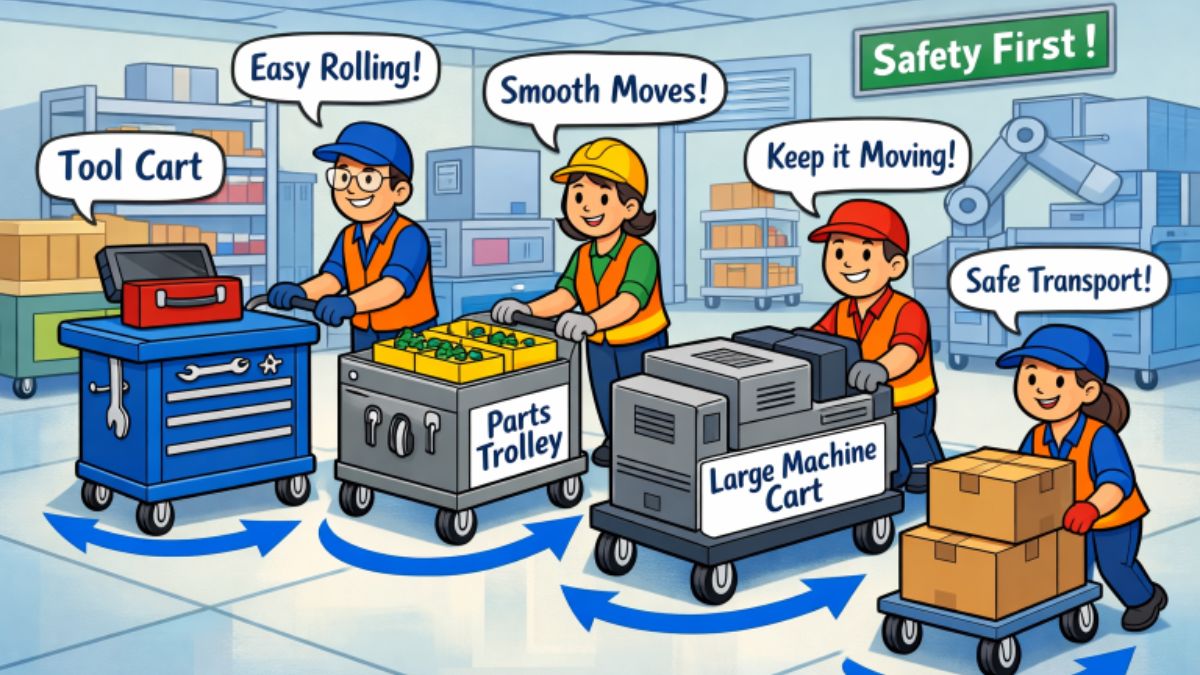
Technologies Enhancing Industrial Mobility
Technological innovation has revolutionized how industrial environments manage mobility. Wireless communication systems have eliminated the need for physical tethers, enabling the real-time coordination of equipment and vehicles. This adaptability is critical when moving large or complex objects that require precision navigation and secure handling. As covered by VentureBeat, industrial automation, when paired with mobility solutions, is driving new standards of efficiency and safety across the sector.
In addition to connectivity, industrial casters and wheels have undergone substantial advancement. Heavy-duty casters are now engineered with highly durable materials and advanced swivel mechanisms, enabling higher load capacities and smoother movement over uneven surfaces. Smart sensors are increasingly embedded in these systems, enabling predictive maintenance and automatic adaptation to diverse operating environments.
Mobile robotics, such as autonomous mobile robots (AMRs), are increasingly integral to progressive industrial environments. These robots can navigate complex environments, transport items between workstations, and collaborate with human teams. The use of advanced software and onboard AI enables AMRs and AGVs not only to follow preset routes but also to dynamically adapt their paths in real time, ensuring continuous, efficient operations. The integration of cloud-based monitoring platforms enables facility managers to track and optimize fleet performance, helping prevent unnecessary downtime and extend the lifespan of critical mobility assets.
Challenges and Solutions in Industrial Mobility
Despite technological advances, mobility in industrial contexts remains a persistent challenge. Factory layouts often feature narrow aisles, heavy machinery, and flooring that can wear over time or be damaged by exposure to harsh substances. Such conditions increase the risk of collisions, tipping, or floor damage, all of which jeopardize safety and efficiency.
Addressing these challenges requires engineering innovation and thoughtful planning. The adoption of modular infrastructure systems that can be easily reconfigured or relocated has proven invaluable, especially in environments subject to frequent change or expansion. Modular solutions enable pathways to be rapidly altered to accommodate new workflows, a topic IndustryWeek discusses in detail. Additionally, adopting noise-reducing, shock-absorbing wheels lessens surface impact and reduces operator fatigue.
Facility managers must also consider the unique properties of transported goods, such as fragility, size, and required handling conditions. Selecting the appropriate mobility equipment, whether specialized carts, conveyors, or custom casters, can drastically reduce the likelihood of damage and operational slowdowns. Employee training in handling and equipment use also increases the effectiveness of mobility solutions and supports a safer work environment. Regularly assessing and updating mobility pathways ensures responsiveness to shifting demand, seasonal workflow variation, or expansion projects, keeping efficiency and safety at the forefront.
Future Trends in Industrial Mobility
The landscape of industrial mobility is continuously shaped by emerging technologies and design philosophies. Artificial intelligence is taking a front seat in managing and optimizing movement, analyzing traffic patterns within facilities, and suggesting layout improvements for even greater efficiency. Furthermore, modular robotics is transforming how factories deploy mobile equipment, making it easier to retool operations on demand without extensive downtime or cost.
Integration with Smart Environments
As the industrial Internet of Things (IIoT) proliferates, equipment and infrastructure are increasingly able to communicate and adapt autonomously. In the near future, expect an ecosystem where everything from conveyor systems to mobile workbenches will dynamically respond to operational needs. Data-driven decision making will further help businesses allocate space, resources, and mobility solutions where they are needed most, maximizing flexibility and minimizing risk.
Final Thoughts
The science of smooth mobility in industrial environments is central to productivity, safety, and adaptability. By leveraging technological advances, focusing on ergonomic, robust equipment design, and addressing logistical hurdles with modular solutions, industry leaders set the stage for ongoing improvement. The integration of AI, smart systems, and resilient casters and wheels will continue to push boundaries, ensuring that industrial operations remain agile and competitive in a rapidly evolving landscape.
Ultimately, organizations’ ability to invest in and adapt their mobility infrastructure serves as a catalyst for sustained growth and operational resilience. As advancements continue to unfold, those at the forefront of industrial mobility will not only enjoy immediate performance gains but will also be well-positioned to meet the challenges of future market demands. In this environment, smooth and intelligent movement is more than a convenience; it’s an essential strategic advantage.
-

 HEALTH2 years ago
Integrating Semaglutide into Your Weight Loss Plan: A Practical Guide
-

 HOME IMPROVEMENT2 years ago
How to Choose the Perfect Neutral Area Rug for Every Room
-

 FASHION2 years ago
7 Celebrity-Inspired Elegant Summer Dresses For 2024
-

 LAW2 years ago
Teenage Drivers and Car Accidents in California: Risks and Parental Liability
-

 CONSTRUCTION2 years ago
Construction Site Safety Regulations in New York and Your Rights as a Worker
-

 HOME2 years ago
Sandra Orlow: The Teen Model Who Captivated the Internet
-

 LAW2 years ago
Post-Divorce Considerations in California: Modifications and Long-Term Planning
-

 FINANCE2 years ago
Digital Asset Management in Florida Estate Planning