
HOME
Rhino skull: A Comprehensive Guide


In the heart of the African savanna and the lush forests of Asia roam some of the most majestic creatures on Earth – rhinos. But have you ever stopped to think about the incredible structure that supports their powerful horns and strong jaws? Yes, we’re talking about the rhino skull. This comprehensive guide will walk you through everything you need to know about the enigmatic rhino skull, its anatomy, functions, and much more.
The Anatomy of a Rhino Skull
The rhino skull is a marvel of nature. It’s not just a simple bone structure but a complex assembly designed to support the animal’s massive horn and robust musculature.
Cranial Structure
Rhino skulls are characterized by their large size and robust construction. The cranial bones are thick and dense, designed to withstand the significant forces exerted by the rhino’s muscular neck and powerful bites. The nasal bone, where the horn is anchored, is particularly dense, providing a solid base for the horn.
Horn Attachment
A rhino’s horn is made of keratin, the same material found in human hair and nails. Unlike other horned animals, a rhino’s horn doesn’t have a bony core but is instead anchored directly to the skull’s nasal bone. This unique attachment allows it to grow continuously throughout the rhino’s life.
Jaw and Dental Structure
Rhinos have a distinctive jaw structure that allows them to grind down tough vegetation. Their teeth are specially adapted for this purpose, with large molars and premolars that work like a millstone, breaking down fibrous plant material into digestible pieces.
Functions of the Rhino Skull
The rhino skull isn’t just a protective casing for the brain; it plays several critical roles in the animal’s survival and day-to-day activities.
Support for the Horn
The primary function of the rhino skull is to support the horn. The skull’s thick nasal bones provide a sturdy foundation, enabling the rhino to use its horn for digging, fighting, and foraging without damaging its head.
Muscle Attachment
The skull also serves as an anchor point for the powerful muscles needed for chewing and head movements. These muscles attach to various points on the skull, enabling the rhino to move its head with great force and precision.
Protection
Of course, like any skull, the rhino skull protects the brain and sensory organs. The thick bone acts as a shield against physical trauma, ensuring the rhino can continue to function even in the rough and tumble of their natural habitat.
Differences Between Species
There are five species of rhinos, and while their skulls share many similarities, there are also critical differences that reflect their unique lifestyles and habitats.
White Rhino
The white rhino has a broad, flat skull designed for grazing on grasses. The nasal bones are particularly large to support the rhino’s impressive horn.
Black Rhino
In contrast, the black rhino has a more pointed skull, adapted for browsing on leaves and branches. This species also has a prehensile upper lip, which it uses to grasp foliage, and the skull reflects this adaptation with a more pronounced nasal area.
Indian, Javan, and Sumatran Rhinos
The three Asian species of rhino have skulls that are more similar to each other than to their African counterparts. Their skulls are generally smaller and less robust, reflecting their different feeding habits and the denser vegetation of their habitats.
The Evolution of Rhino Skulls
The rhino skull has evolved over millions of years, adapting to changes in the environment and the animal’s diet.
Early Ancestors
Early rhino ancestors had much smaller horns and simpler skull structures. Over time, as the species evolved and adapted to different environments, their skulls grew larger and more complex.
Adaptations for Feeding
Changes in available food sources drove much of this evolution. Rhinos that fed on grasses developed broader, flatter skulls, while those that browsed on leaves evolved more pointed skulls.
Modern Rhinos
Today’s rhinos represent the pinnacle of this evolutionary process. Their skulls are perfectly adapted to their environments and lifestyles, allowing them to thrive in a variety of habitats.
Rhino Skulls in Culture and History
The rhino skull has held a place of fascination in human culture for centuries.
Ancient Myths and Legends
In many cultures, the rhino was seen as a symbol of strength and power. Its skull and horn were often used in rituals and were believed to hold magical properties.
Art and Symbolism
Artists throughout history have been inspired by the rhino’s unique appearance. From cave paintings to modern sculpture, the rhino skull has been a popular subject.
Modern Conservation Efforts
Today, the rhino skull is a symbol of the fight against poaching and habitat destruction. Conservationists use images of rhino skulls to raise awareness and funds for their efforts to protect these magnificent animals.
Collecting and Studying Rhino Skulls
For scientists and collectors alike, the rhino skull is an object of great interest.
Scientific Research
Scientists study rhino skulls to learn more about the species’ evolution, behavior, and health. By examining the structure and wear patterns of the teeth, researchers can gain insights into the rhino’s diet and lifestyle.
Ethical Considerations
Collecting rhino skulls is not without controversy. It is illegal to buy or sell them in many parts of the world due to concerns about conservation and animal rights. However, museums and legal collections play an important role in education and research.
Preserving Rhino Skulls
Proper preservation of rhino skulls is essential for both scientific study and cultural heritage. Techniques for cleaning and maintaining these specimens have advanced significantly, ensuring they can be studied and appreciated for generations to come.
Protecting Rhinos and Their Skulls
Conservation efforts are critical to ensuring that rhinos, and their incredible skulls, continue to exist.
Anti-Poaching Measures
Poaching remains one of the biggest threats to rhinos. Conservation groups employ a variety of strategies, from armed patrols to drones, to protect these animals.
Habitat Conservation
Preserving the habitats where rhinos live is equally important. Efforts to combat deforestation and create protected areas are vital to the survival of rhino populations.
Public Awareness
Raising public awareness about the plight of rhinos is crucial. Campaigns that highlight the beauty and importance of rhinos help garner the support needed to fund conservation efforts.
The Role of Zoos and Sanctuaries
Zoos and sanctuaries play an important role in rhino conservation.
Breeding Programs
Captive breeding programs help ensure the survival of species that are critically endangered in the wild. These programs also provide opportunities for research and education.
Education and Outreach
Zoos and sanctuaries educate the public about rhinos and the challenges they face. By fostering a connection between visitors and these animals, they help build support for conservation efforts.
Rehabilitation and Release
Some sanctuaries focus on rehabilitating injured or orphaned rhinos and preparing them for release back into the wild. These efforts are essential for maintaining healthy, sustainable populations.
How You Can Help
There are many ways you can contribute to rhino conservation.
Support Conservation Organizations
Donating to organizations that work to protect rhinos is one of the most effective ways to help. Many groups offer opportunities for direct involvement as well.
Raise Awareness
Sharing information about rhinos and their conservation status helps raise awareness and build support for efforts to protect them.
Make Responsible Choices
Choosing products that do not harm rhinos or their habitats is another way to make a positive impact. Avoiding products made from rhino horn and supporting sustainable practices helps protect these animals.
Conclusion
The rhino skull is a remarkable structure, reflecting millions of years of evolution and adaptation. By understanding and appreciating this unique feature, we can better appreciate the incredible animals it belongs to and the importance of conserving them. Whether through scientific study, cultural appreciation, or active conservation efforts, there are many ways we can all contribute to protecting rhinos and ensuring their survival for generations to come.


Choosing a vehicle in 2026 involves more than picking the biggest model that fits the budget. Trucks, SUVs, and electric vehicles can all offer modern safety technology, comfortable cabins, and useful capabilities, but each category solves different daily problems. Readers comparing available vehicle types can learn more before narrowing their options.
The best choice starts with an honest look at real habits: commute distance, passenger count, cargo needs, towing requirements, parking space, fuel costs, and access to charging. A vehicle that works well on an ordinary Tuesday will usually be a better long-term fit than one chosen for a single annual vacation.
Start With A Real-World Driving Profile
Before comparing trims or colors, write down what a normal week looks like. Estimate daily mileage, note how often adults, children, pets, or coworkers ride along, and list the items that need to fit inside the cabin, cargo area, or bed. Consider whether most driving happens in town, on highways, or on uneven roads.
Also, ask whether towing is a regular need, whether overnight charging is possible at home, and how many years the vehicle may stay in the household. This quick profile separates must-have capabilities from features that may be nice but are rarely used.
When A Truck Makes The Most Sense
A truck is often the strongest choice for drivers who frequently tow trailers, boats, campers, or equipment, or who carry bulky, muddy, heavy, or awkward materials. An open bed can be more practical than an enclosed cargo area for lumber, landscaping supplies, work gear, and recreational equipment.
Do not rely only on a model name or the highest advertised tow rating. Check the specific truck’s door-jamb payload label, cab configuration, bed length, drivetrain, hitch equipment, and axle setup. Payload includes people, tools, cargo, accessories, and trailer tongue weight, so it can be used up faster than many shoppers expect.
Truck Questions To Ask
- What is the heaviest load or trailer the vehicle will handle?
- Will towing happen every month or only on rare weekends?
- Is a longer bed necessary for work materials or equipment?
- Will the truck also be used for daily commuting and in tight parking areas?
Light-duty trucks suit many household towing and hauling jobs, while heavy-duty models are designed for more demanding loads. The trade-offs can include larger turning circles, higher fuel consumption, more expensive tires, and a tighter fit in garages or crowded lots.
When An SUV Is The Better Fit
An SUV is often the most balanced answer for families, commuters, road-trippers, and drivers who want passengers and cargo protected from the weather. Compact SUVs can be easier to park and less expensive to operate, midsize SUVs add room for growing families, and three-row models help when carrying more people is a regular need.
Compare usable space rather than focusing solely on maximum cargo volume figures. Check second-row legroom, third-row access, fold-flat seating, lift-over height, roof-load ratings, and whether all-wheel drive is available. A smaller SUV with a lower cargo floor may be easier to load every day than a larger model with more space on paper.
SUV Features Worth Comparing
- Second-row comfort and child-seat access
- Fold-flat seating and cargo-floor shape
- Visibility, parking cameras, and turning radius
- Ride quality and cabin noise on highway trips
- All-wheel-drive capability for local weather conditions
- Safety features such as adaptive cruise control and blind-spot alerts
When An EV Fits Daily Life
An EV can be an excellent match for predictable daily driving, especially when overnight home charging is available. Electric motors provide quiet operation, quick response, and fewer routine maintenance needs than conventional gasoline powertrains. The federal overview of all-electric vehicle operation explains how range, charging time, efficiency, and maintenance differ from gasoline vehicles.
However, EV ownership works best when charging is part of a routine rather than an inconvenience. Cold weather, fast highway speeds, steep terrain, cargo, and towing can reduce real-world range. Drivers who make frequent long-distance trips should plan routes, charging stops, and backup options before deciding that an EV is their only vehicle.
EV Readiness Checklist
- Measure usual daily mileage, including errands and school or work trips.
- Confirm whether overnight home charging is available or practical.
- Locate chargers near work, regular destinations, and common travel routes.
- Review the vehicle’s estimated range and leave a practical buffer.
- Budget for a home charging installation if needed.
Compare Fuel, Charging, And Maintenance Costs
Monthly affordability depends on more than the payment. Include fuel or electricity, insurance, registration, tires, maintenance, repairs, and possible charging equipment. Public charging availability can vary widely by route and region, so drivers should review electric vehicle charging infrastructure trends alongside their own local charging options.
Simple Annual Cost Formula
Annual energy cost = yearly miles ÷ efficiency × energy price
For a gasoline vehicle, efficiency is miles per gallon. For an EV, use miles per kilowatt-hour or kilowatt-hours per mile. Local gasoline and electricity prices make the estimate more useful, and a yearly calculation is usually more revealing than a quick guess based on a single fill-up or charging session.
Think About Towing And Payload Separately
Towing capacity is the weight a vehicle can pull, while payload is the weight it can carry. Passengers, luggage, tools, bed accessories, and hitch weight all reduce available payload. Confirm the loaded trailer weight, tongue weight, hitch rating, trailer brakes, and manufacturer guidance before choosing a vehicle. A comfortable margin is smarter than selecting a model that only barely meets the requirement.
New Or Used: Which Path Fits The Budget?
New vehicles may offer the latest technology, full warranty coverage, and more configuration options. Used vehicles can lower the purchase price and reduce early depreciation. For any used vehicle, review the history report and service records, inspect tires and brakes, look for rust or water damage, test electronics and climate controls, and arrange an independent pre-purchase inspection.
Build A Shortlist And Make The Final Choice
- Choose the vehicle category that matches the weekly driving profile.
- Set a full monthly budget that includes operating costs.
- Remove models that lack required passenger, cargo, towing, payload, or range capability.
- Compare at least three similar vehicles with comparable equipment.
- Test-drive the final choices on roads similar to your normal commute.
During the test drive, check seating comfort, visibility, parking confidence, cargo loading, control layout, and rear-seat access. A truck is usually best for regular hauling and towing. An SUV is often the strongest all-purpose choice for families. An EV can be a practical daily driver when charging and range align with real life. The right decision is the one that fits the budget, routine, and long-term needs without adding unnecessary compromises
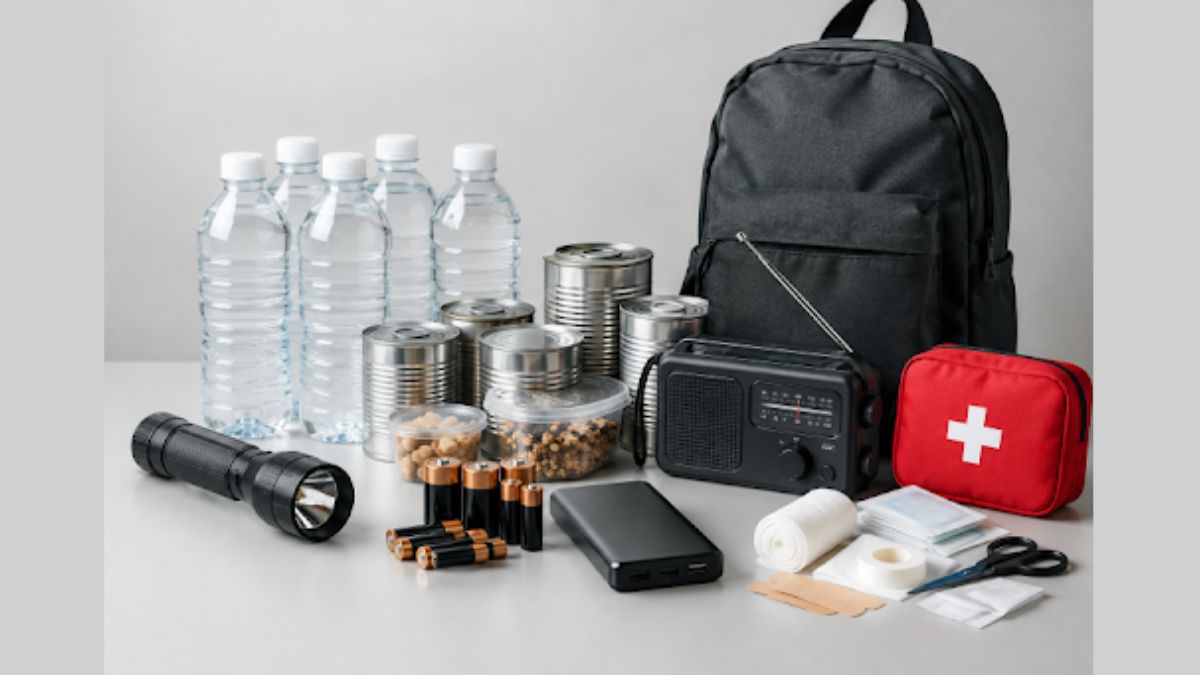
In Bethesda, Maryland, a long power outage can affect far more than lights. It can interrupt refrigeration, heating, or air conditioning, internet access, sump pumps, garage doors, and charging for essential devices. Planning helps your household stay safer and more comfortable when severe weather, fallen trees, or utility problems disrupt service. Homeowners considering reliable backup options can start by exploring home generators Bethesda, MD, for systems designed around the circuits their homes depend on most. The goal is not necessarily to power every appliance. A practical plan identifies what your family needs during the first few hours, the first three days, and during a longer outage. Bethesda households should also account for seasonal conditions, from humid summer heat to winter cold, along with the needs of pets, children, older adults, and anyone using electrically powered medical equipment.
Why Long Outages Need a Plan
A brief blackout may only require flashlights and charged phones. A multi-day outage is different. A gas furnace still commonly needs electricity for controls and blowers, while homes with well pumps can lose water pressure when the power fails. Walk through your normal routine and consider what changes if the garage door, Wi-Fi router, refrigerator, sump pump, or powered medical equipment stops working.
Inventory Electrical Needs
Make a room-by-room list of appliances and systems, then label each as essential, useful, or optional. Essential items may include a refrigerator, selected lights, phone chargers, a sump pump, a furnace blower, or medical equipment. Record the running and startup wattages when available on equipment labels or manuals. A phone charger requires little power, whereas an air conditioner or electric space heater can quickly exceed the capacity of a small backup system.
Build an Outage Kit
Store supplies where everyone can reach them in the dark, rather than behind an electric garage door. Include flashlights, headlamps, lanterns, spare batteries, power banks, charging cables, a battery or hand-crank radio, first-aid supplies, hygiene items, prescription medicines, pet supplies, cash, and a manual can opener. Test lights and power banks regularly, rotate food, and make sure every household member knows the kit location.
Plan for Food and Water
Water and Shelf-Stable Meals
Keep drinking water in clean, food-safe containers, with additional water for cooking, sanitation, and pets. This is especially important for homes that depend on electric well pumps. Build meals around foods that need little preparation, such as canned goods, nut butter, crackers, cereal, dried fruit, shelf-stable milk, and ready-to-eat items. For more detailed guidance on extended outage preparation, review food storage, water planning, and household supply recommendations before storm season.
Refrigerator and Freezer Safety
Keep refrigerator and freezer doors closed as much as possible. A closed refrigerator generally keeps food cold for about four hours, while a full freezer can hold its temperature for about 48 hours. Use appliance thermometers instead of judging food by smell or appearance, and keep ice packs available for coolers if food must be moved.
Compare Backup Power Options
- Portable battery systems: Quiet, indoor-safe options for lights, phones, routers, and some small medical devices. Their runtime depends on battery capacity and connected loads.
- Portable generators: Useful for selected appliances and larger temporary loads, but they require fuel, outdoor operation, and safe connection methods.
- Standby generators: Permanently installed systems that can start automatically and support selected circuits or broader household loads, depending on the design.
Choose based on the loads you must support, expected outage duration, available fuel, noise concerns, and whether professional installation is needed.
Follow Generator and Carbon Monoxide Safety Rules
Carbon monoxide is colorless, odorless, and poisonous. Operate portable generators outdoors only, at least 20 feet from the home, windows, doors, and vents, with exhaust directed away from the building. The carbon monoxide safety guidance from the Consumer Product Safety Commission also advises installing battery-backed carbon monoxide alarms on every level and near sleeping areas. Never run a generator in a garage, basement, shed, porch, carport, or crawlspace. Let it cool before refueling, store fuel in approved containers, and never connect it to household wiring through a standard wall outlet. A properly installed transfer switch is the safer method for powering home circuits.
Prepare for Medical and Special Needs
List every device or medicine that needs power or temperature control. Ask healthcare providers how long medical equipment can operate on internal batteries and what backup options are appropriate. Keep medication lists, dosage information, provider contacts, and insurance details on paper. If staying home would put someone at risk, plan in advance to relocate to a relative’s home, a medical facility, a cooling center, a warming center, or a shelter.
Manage Heat and Cold
During winter outages, close unused rooms, gather in one safe living area, layer clothing, and keep blankets or sleeping bags ready. Never use a gas oven, charcoal grill, or outdoor heater indoors for warmth. During hot weather, close blinds before direct sun warms the home, drink water regularly, use battery-powered fans, and set a clear threshold for leaving if indoor conditions become unsafe for vulnerable residents or pets.
Protect the Home and Electronics
Unplug sensitive electronics during storms or unstable power conditions, while leaving one light connected to show when electricity returns. Restore appliances gradually after service resumes. Check for water intrusion, damaged wiring, tripped breakers, and unusual odors before using affected equipment. Plug-in surge protectors can help protect individual devices, while whole-home surge protection is installed at the electrical panel.
Create a Communication and Evacuation Plan
Write down emergency contacts, choose an out-of-area family contact, and sign up for utility and local emergency alerts. Identify two places you could go if the home becomes too hot, cold, dark, or medically unsafe. Keep cash available because card readers and ATMs may be unavailable, and plan exits that do not rely on an electric garage door, elevator, or traffic signal.
Test and Maintain the Plan
Run a practice outage on a calm evening. Use only the supplies and backup power included in your plan, then note what falls short. Monthly, check batteries, power banks, alarms, medication supplies, and stored water. Seasonally, rotate food, inspect cords and generator equipment, confirm fuel storage practices, and revise the plan after a move, a new appliance, a new pet, or a new medical need.
Conclusion
Preparing for a long power outage in Bethesda means planning for more than a loss of lighting. A practical plan should account for food, water, heating or cooling, communication, medical needs, electronics, and household safety. Identify essential electrical loads, keep emergency supplies accessible, and choose backup power based on your household’s actual needs. Generator safety, carbon monoxide protection, and safe food storage should also be part of the plan. Regularly testing supplies and backup systems can reveal problems before an emergency occurs. By preparing for different outage lengths and considering seasonal conditions and household needs, Bethesda families can respond more calmly and safely when power service is interrupted.

The most successful home updates begin with how people actually live, not with a trending finish or a single inspiration photo. Thoughtful interior home renovations can make a house more comfortable, organized, safe, and adaptable while helping homeowners avoid spending on changes that do not solve daily problems.
Start by looking at each room as a working space. Notice where people crowd one another, where clutter gathers, which areas stay dark, and which rooms rarely get used. Those observations often reveal more useful priorities than a wish list built around colors, fixtures, or furniture.
Start With How the Home Is Used
Conduct a simple room-by-room audit before committing to a project. Ask where the household loses time, which possessions lack a proper home, and what prevents each room from serving its intended purpose. Photograph trouble spots and write down measurements, traffic patterns, and recurring frustrations.
Then separate true needs from preferences. A leaking shower, unsafe stairs, poor ventilation, insufficient outlets, or damaged flooring deserve attention before decorative upgrades. This order protects the budget and reduces the chance that new finishes must be removed later for necessary repairs.
Interior planning also works best when it considers the whole property. For example, improving insulation, entry doors, drainage, or outdoor access through exterior home renovations may support a more comfortable and durable interior project.
Set Priorities Before Choosing Finishes
A practical priority order keeps decisions clear:
- Address structural, safety, and water-related concerns.
- Resolve electrical, plumbing, heating, cooling, and ventilation needs.
- Improve layout, circulation, storage, and accessibility.
- Select durable surfaces, fixtures, and decorative details.
Create a must-have list and a nice-to-have list for every room. If costs rise, reduce or postpone decorative items first instead of compromising on waterproofing, wiring, ventilation, or durable materials.
Plan Improvements Room by Room
Kitchen
A kitchen should support cooking, cleanup, storage, and family traffic without constant bottlenecks. Maintain clear paths between the refrigerator, sink, and cooking area, allow landing space beside appliances, and place everyday dishes near where they are used. A modest refresh may only require better lighting, hardware, flooring, paint, or cabinet refacing. A full renovation makes more sense when the layout, storage, or appliance locations consistently interfere with daily use.
Bathroom
Bathrooms demand careful planning because moisture can damage hidden materials long before it becomes visible. Settle plumbing, waterproofing, exhaust ventilation, and fixture clearances before selecting tile or cabinetry. Slip-resistant flooring, useful vanity storage, bright mirror lighting, and easy-clean surfaces improve everyday use. For long-term flexibility, consider wider access, blocking for future grab bars, and a curbless shower where appropriate.
Living Areas and Bedrooms
Living rooms benefit from open walkways and clear activity zones for conversation, reading, entertainment, or remote work. Built-in shelving, task lighting, durable flooring, updated interior doors, and acoustic treatments can create meaningful change without moving walls. Bedrooms should prioritize quiet, privacy, temperature control, and storage. Flexible guest rooms and children’s rooms can use adaptable closets, layered lighting, and layouts that could later support office or hobby use.
Basements and Lower Levels
Before finishing a lower level, check moisture, drainage, insulation, ceiling height, stair safety, and emergency exits. A basement can become a family room, office, guest area, exercise room, workshop, or organized storage space, but it should feel connected to the rest of the home. Include sufficient lighting, smoke alarms, carbon monoxide alarms where applicable, and safe access routes.
Built in Comfort, Safety, and Efficiency
Comfort is more than appearance. Use ambient lighting for general visibility, task lighting for work surfaces, and accent lighting for depth. When walls or ceilings are open, consider adding insulation, air sealing, updated wiring, and lighting controls. The indoor air quality guidance from the Environmental Protection Agency also underscores why effective ventilation and low-odor paints, sealants, and adhesives deserve attention during renovation planning.
Create a Flexible Budget and Schedule
A realistic budget has three parts: the construction scope, finish selections, and a contingency reserve for concealed damage, required repairs, delays, or design changes. Compare proposals by what is included, not only by the total price. Confirm allowances, permit responsibilities, change-order procedures, material lead times, and the plan for delayed products.
Follow a sensible sequence: inspect and document the home, resolve hidden concerns, confirm the layout, review permits, order long-lead materials, complete behind-the-wall work, install finishes, and conduct a final room-by-room walkthrough. Starting several rooms without a completion plan can leave a home disrupted for longer than necessary.
Balance Resale Value and Personal Enjoyment
Resale value and personal enjoyment overlap, but they are not identical. A luxurious feature may be worthwhile if it improves daily life, even if it does not return every dollar at sale. When resale matters, broad appeal often comes from good lighting, practical storage, durable materials, neutral, adaptable finishes, and well-maintained kitchens and bathrooms. The National Association of REALTORS® tracks remodeling projects and homeowner satisfaction, offering a useful reminder that perceived value depends on both function and local market conditions.
Use a Final Planning Checklist
- Write down each room’s purpose and problems.
- Verify measurements before ordering materials.
- Put safety, repairs, moisture control, and ventilation first.
- Include outlets, lighting, storage, and maintenance needs.
- Choose materials suited to moisture, traffic, and cleaning.
- Keep a contingency reserve and document all selections.
- Review permits, inspections, schedules, warranties, and final details.
Make the Plan Fit the Life
The best renovation is not necessarily the largest. It is the one that solves real problems, supports daily routines, and remains useful as needs change. Begin with one clear goal, make decisions in the right order, and judge every upgrade by how well it helps the home work.
-

 HEALTH2 years ago
Integrating Semaglutide into Your Weight Loss Plan: A Practical Guide
-

 HOME IMPROVEMENT2 years ago
How to Choose the Perfect Neutral Area Rug for Every Room
-

 FASHION2 years ago
7 Celebrity-Inspired Elegant Summer Dresses For 2024
-

 HOME2 years ago
Sandra Orlow: The Teen Model Who Captivated the Internet
-

 LAW2 years ago
Teenage Drivers and Car Accidents in California: Risks and Parental Liability
-

 CONSTRUCTION2 years ago
Construction Site Safety Regulations in New York and Your Rights as a Worker
-

 LAW2 years ago
Post-Divorce Considerations in California: Modifications and Long-Term Planning
-

 FINANCE2 years ago
Digital Asset Management in Florida Estate Planning