
HOME
Exploring the Best Dental Braces Options: Find the Right Fit for You


Dental braces options help people achieve straighter teeth and a better smile. There are many types of braces available today. Each option has different benefits, costs, and levels of comfort.
Choosing the right one depends on your needs and budget. Some are more visible, while others are almost invisible.
So, if you are not sure, read further!
Traditional Metal Braces
Metal braces are the most common type of braces. They are made of high-quality stainless steel. These braces use metal brackets and wires to straighten teeth.
Small elastic bands help hold the wires in place. Metal braces are strong and effective for all types of misalignment. They require regular adjustments to work properly.
Some people choose colored bands for a fun look. These braces are often the most affordable option. They are visible but highly effective. Many people choose them for their reliability.
Ceramic Braces
Ceramic braces work like metal braces but use clear or tooth-colored brackets. This makes them less visible than metal braces. They are a good choice for people who want a more discreet option.
Ceramic braces are strong but may break easier than metal ones. They require regular cleaning to avoid staining. These braces work well for mild to moderate alignment issues.
They cost more than metal braces but are less noticeable. They may take longer to work than traditional braces. Some people find them more comfortable. A consultation will help determine if they are right for you.
Lingual Braces
Lingual braces are placed behind the teeth instead of in front. This makes them completely hidden from view. They work like traditional braces but are custom-made for each patient.
These braces are great for people who want a discreet option. They can be harder to clean than regular braces. Some people find them uncomfortable at first. They may also affect speech in the beginning.
Treatment with lingual braces may take longer than other options. They cost more due to their custom design. Many adults choose this option for cosmetic reasons.
Clear Aligners
Clear aligners are a popular alternative to braces. They are made of smooth, clear plastic and are removable. These aligners are custom-made for each patient. They need to be worn for most of the day and night.
Aligners must be changed every few weeks to adjust the teeth. They are great for mild to moderate alignment issues. They allow people to eat and drink without restrictions.
Clear aligners are not ideal for severe misalignment. They require discipline to wear as directed. Many adults prefer them for their discreet look.
Self-Ligating Braces
Self-ligating braces use special clips instead of elastic bands. These clips help hold the wire in place. This allows for quicker adjustments and less friction. They work like traditional braces but require fewer appointments.
Some people find them more comfortable. They can be metal or ceramic. They may reduce treatment time for some patients.
Cleaning them is easier than traditional braces. They are a good choice for those looking for a faster option. Many orthodontists recommend them for efficient treatment.
Removable Braces
Removable braces are designed to be taken out for cleaning and eating. They are not for severe alignment problems. They work best for minor corrections. These braces need to be worn for most of the day.
They must be cleaned properly to avoid bacteria buildup. Some people prefer them because they are easier to maintain. They may not work as fast as fixed braces. They are often used for younger children.
Some adults choose them for minor tooth movement. A dentist can determine if they are a good option for you.
Short-Term Braces
Short-term braces are designed for quick results. They work best for minor alignment issues. They are usually worn for six months to a year. These braces focus on straightening only the front teeth.
They may not correct bite issues. They are available in metal or ceramic materials. Some people choose them for special occasions.
They can improve appearance in a short time. They may not be suitable for complex cases. A consultation can determine if they are right for you.
Invisible Braces
Invisible braces are another term for clear aligners. They are almost impossible to see when worn. Many adults prefer them for their discreet look. They must be worn for most of the day to work.
They can be removed for meals and cleaning. They are great for mild to moderate misalignment. They require discipline to wear correctly. They do not work as well for severe cases.
They need to be replaced every few weeks. They provide a comfortable and effective way to straighten teeth.
Retainers After Braces
Retainers are worn after braces to keep teeth in place. They help prevent teeth from shifting back. Retainers can be removable or fixed. They must be worn as directed by an orthodontist.
Some people need to wear them only at night. They are easy to clean and maintain. Retainers are custom-made for each patient. They are necessary for long-term results.
Without them, teeth may move back to their original position. Like this Cleveland orthodontist, experts may recommend wearing retainers as advised.
Choosing the Right Braces
Choosing the right braces depends on many factors. Your dental needs will determine the best option. Budget is another important factor to consider. Some people want a discreet option, while others prioritize effectiveness.
Comfort is also important for long-term wear. Different types of braces have different treatment times. A professional consultation is necessary.
An orthodontist will explain the pros and cons of each type. They will help you find the best choice. The right braces will give you the best results.
Explore the Best Dental Braces Options
Choosing the right dental braces option depends on your needs and lifestyle. There are many types of braces, each with different advantages. Metal, ceramic, lingual, and clear aligners all have unique benefits.
Some people prefer a discreet option, while others want a faster result. Consulting an orthodontist is the best way to find the right fit. Braces can improve your smile and confidence.
There are a lot of dental braces options and whether you choose traditional braces or a modern alternative, the right choice will bring lasting benefits.
Should you wish to read more, you may explore our blog. We’ve got more topics!

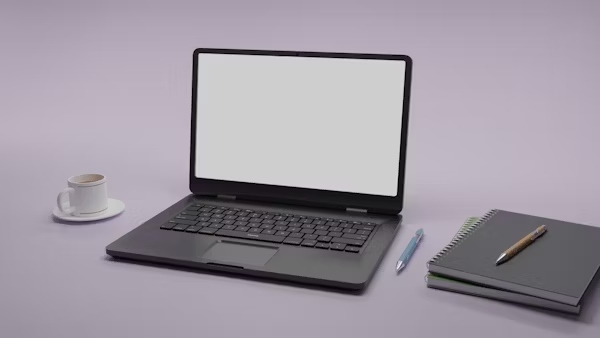
In a market saturated with laptops that promise power, portability, and performance, the Clevo NH70 manages to stand out. Known for its impressive hardware configurations, customizable options, and gamer-focused design, the Clevo NH70 has become a favorite among power users and gaming enthusiasts looking for high performance without the inflated brand pricing.
This deep dive into the Clevo NH70 covers every aspect you need to know—performance, build quality, display, battery life, specs, thermal management, and how it compares to its competitors. If you’re considering this laptop, this review will help you decide whether it truly meets your needs.
What Is the Clevo NH70?
Clevo is a Taiwan-based OEM (Original Equipment Manufacturer) known for producing customizable barebone laptops for resellers like Sager, XoticPC, and Eluktronics. The Clevo NH70 is one of their mid-to-high-end gaming laptops, which can be configured to different specifications based on your requirements and budget.
Built with gaming and content creation in mind, this laptop delivers serious power under the hood while offering flexibility and upgradeability that many big-name brands don’t.
Key Specifications of the Clevo NH70
While the exact specs vary by reseller, a typical Clevo NH70 configuration includes:
| Component | Specification |
|---|---|
| Processor (CPU) | Intel Core i7-9750H (6-core, 2.6GHz base, 4.5GHz turbo) |
| Graphics (GPU) | NVIDIA GTX 1660 Ti 6GB or RTX 2060 6GB |
| RAM | 8GB/16GB/32GB DDR4 (expandable up to 64GB) |
| Storage | 256GB to 1TB SSD + optional 1TB HDD |
| Display | 17.3″ Full HD (1920×1080), 144Hz IPS panel |
| Battery | 14.4V 3275mAh (approx. 3-4 hours of use) |
| Operating System | Windows 10/11 or Linux-based (user install) |
| Weight | ~2.5 to 2.9 kg (5.5 to 6.3 lbs) |
These specs offer a solid blend of processing power, visual performance, and multitasking ability.
Design and Build Quality
The Clevo NH70 doesn’t scream flashiness like many gaming laptops, and that’s part of its charm. It features a matte black chassis, subtle branding, and a slightly rugged, utilitarian aesthetic. The build is primarily plastic, but sturdy, with some models integrating aluminum accents around the lid.
Notably, the keyboard includes customizable RGB backlighting, which is a win for gamers and night owls. The touchpad is responsive, though not exceptional—users may prefer an external mouse for precision.
Display Performance
One of the NH70’s strongest features is its 17.3-inch Full HD display with a 144Hz refresh rate. The IPS panel delivers:
-
Vibrant colors
-
Wide viewing angles
-
Low input lag
-
Smooth gameplay
The anti-glare coating is a bonus for those who work or game in brightly lit environments.
While it lacks 4K resolution, the Full HD screen performs exceptionally well for gaming, streaming, and video editing—offering the perfect balance between clarity and performance.
Performance and Gaming Experience
Powered by the Intel Core i7-9750H and paired with a GTX 1660 Ti or RTX 2060, the Clevo NH70 handles demanding tasks like a pro. From triple-A games to professional rendering software, it holds its own without breaking a sweat (well, not too much).
Gaming Benchmarks (Average FPS at 1080p, High Settings):
-
Call of Duty Warzone: ~80 FPS (RTX 2060)
-
Cyberpunk 2077: ~45–55 FPS (RTX 2060 with DLSS on)
-
Fortnite: ~120 FPS
-
GTA V: ~90 FPS
-
Shadow of the Tomb Raider: ~70 FPS
In terms of general performance, the laptop easily handles:
-
Video editing (Premiere Pro, DaVinci Resolve)
-
3D modeling (Blender, AutoCAD)
-
Multitasking (30+ browser tabs, music, streaming, Zoom)
It’s not just a gaming machine—it’s a workhorse for creatives and professionals.
Thermal Management
Cooling is always a concern in performance-heavy laptops. Fortunately, the Clevo NH70 features dual fans, heat pipes, and multiple air vents that help maintain thermal stability.
During stress tests:
-
Idle temperatures hover around 45–50°C
-
Gaming temperatures reach 80–90°C (CPU), 70–80°C (GPU)
Fans do get loud under load, but they effectively keep throttling at bay. Using a cooling pad can further improve performance during marathon sessions.
Keyboard and Input
The full-sized keyboard includes a numeric keypad and customizable RGB zones. Key travel is solid, and the tactile feedback is satisfying for both typing and gaming.
Pros:
-
Programmable macros (via third-party software)
-
Good key spacing
-
RGB customization options
Cons:
-
No mechanical keys
-
Slight flex in the keyboard deck under pressure
Still, it’s a comfortable typing experience overall, especially for a gaming laptop.
Audio and Speakers
The stereo speakers on the NH70 are loud and clear but lack deep bass. For everyday use—streaming YouTube, casual gaming, or video calls—they’re adequate.
For an immersive gaming or editing experience, headphones or external speakers are recommended.
Battery Life
Here’s where the NH70 stumbles a bit. With a 3275mAh battery, it offers:
-
3–4 hours of basic usage (browsing, word processing)
-
Less than 2 hours under gaming or video rendering
This is not a mobile warrior’s dream, but given the hardware packed into it, the battery life is predictable. It’s best used near an outlet.
Port Selection and Connectivity
Connectivity is solid, with enough ports to support multiple peripherals:
-
1 x HDMI
-
1 x Mini DisplayPort
-
2 x USB 3.1
-
1 x USB 2.0
-
1 x USB Type-C
-
Ethernet port
-
SD card reader
-
3.5mm headphone and mic jacks
Wi-Fi and Bluetooth work well, though depending on the reseller, you may find options to upgrade to Wi-Fi 6.
Pros and Cons of the Clevo NH70
Pros:
-
High-performance CPU and GPU options
-
144Hz Full HD IPS screen
-
Upgradeable RAM and storage
-
Customizable keyboard lighting
-
Great value for specs
Cons:
-
Mediocre battery life
-
Slightly bulky and heavy
-
Basic audio quality
-
Plain aesthetic (for those wanting a flashier design)
Who Should Buy the Clevo NH70?
The Clevo NH70 is a perfect fit for:
-
Gamers who want high frame rates without overspending
-
Content creators needing CPU/GPU muscle for editing or rendering
-
Students and professionals in fields like architecture, engineering, or digital art
-
Tech-savvy users who like to tinker and upgrade their machines
It’s not ideal for those looking for ultraportable or all-day battery life laptops.
How It Compares to Other Laptops
| Laptop | GPU | Display | Battery Life | Price Range |
|---|---|---|---|---|
| Clevo NH70 | GTX 1660 Ti / RTX 2060 | 17.3″ 144Hz FHD | 3–4 hours | $900–$1400 |
| Acer Predator Helios 300 | RTX 3060 | 15.6″ 144Hz FHD | 5–6 hours | $1200–$1500 |
| ASUS TUF F17 | GTX 1650 / RTX 3050 | 17.3″ FHD | 4–5 hours | $950–$1300 |
| Dell G15 | RTX 3050 / 3060 | 15.6″ FHD | 6+ hours | $1000–$1400 |
While some models offer newer GPUs or sleeker builds, the Clevo NH70 delivers premium performance at an accessible price, especially when purchased from customizable resellers.
Final Verdict
The Clevo NH70 is a powerful, versatile laptop built for users who value raw performance and flexibility over brand prestige or ultra-slim design. Its robust specs, sharp display, and upgradeability make it a solid investment for gamers, creators, and professionals alike.
If you can live with the weight and modest battery life, the NH70 offers desktop-grade power in a laptop form factor, without breaking the bank.

In a digital world overflowing with acronyms, ciphers, and encoded language, few phrases have sparked as much curiosity as “Onbupkfz ESFP Vhaxvr.” At first glance, it appears to be a nonsensical string of characters—perhaps a typo, an encrypted code, or even a psychological puzzle. But to the trained eye and curious mind, it may represent a cryptographic riddle, personality archetype, or a metaphorical layer of identity.
This article aims to unravel the enigma behind this cryptic phrase—exploring its structure, potential meaning, psychological implications, and the cultural fascination with mysterious online phrases. Whether you’re a linguist, a codebreaker, a Myers-Briggs enthusiast, or simply a lover of puzzles, you’re about to take a deep dive into the meaning behind Onbupkfz ESFP Vhaxvr.
Breaking Down the Phrase: Onbupkfz ESFP Vhaxvr
Let’s start by separating the three components of this phrase:
-
Onbupkfz – Appears to be a scrambled or encoded word
-
ESFP – A recognizable personality type from the Myers-Briggs Type Indicator (MBTI)
-
Vhaxvr – Another encoded or obfuscated string of characters
The juxtaposition of a known personality label (ESFP) with two encoded fragments suggests that there may be intentional structure, or at the very least, symbolic meaning hidden within the chaos.
The MBTI Component: Understanding ESFP
In the middle of this cryptic sequence is a clue that makes perfect sense to personality enthusiasts: ESFP.
According to the Myers-Briggs Type Indicator, the ESFP personality type is known as the Entertainer or Performer. ESFPs are:
-
Extroverted (E): Energized by interaction with others
-
Sensing (S): Grounded in reality and practical details
-
Feeling (F): Driven by emotion and personal values
-
Perceiving (P): Flexible, spontaneous, and open-ended
People with this type are known for being charismatic, energetic, and full of life. They often gravitate toward artistic or people-oriented professions and value experience over abstract theorizing.
So, what’s ESFP doing in the middle of an encrypted phrase? It may indicate that the code or mystery is personality-driven, or that the person behind the phrase is an ESFP themselves—hinting at their worldview or communication style.
Decrypting the Cipher: ROT13 Hypothesis
One of the simplest and most common obfuscation techniques online is ROT13—a substitution cipher that replaces each letter with the 13th letter after it in the alphabet.
Applying ROT13 to the phrase:
-
Onbupkfz becomes Baohcxsm
-
Vhaxvr becomes Iunkeni
Interesting. Still obscure, but beginning to resemble phonetic fragments.
Some alternative interpretations include:
-
Custom Substitution Ciphers
-
Caesar Shifts (ROT variants)
-
Anagramming
-
Base64 Encoding (if input digitally)
Without a definitive key, we might never decrypt the exact meaning—but that’s part of the mystique.
Possible Interpretations of Onbupkfz and Vhaxvr
Here are several potential interpretations of the words Onbupkfz and Vhaxvr, depending on context:
-
Encrypted Names or Locations: They could represent usernames, locations in a story, or hidden reference points.
-
Obscure Brand or Code Names: Some indie games, ARGs (Alternate Reality Games), or digital art projects use mysterious names to generate intrigue.
-
AI-Generated Content: Tools like ChatGPT or other neural nets often generate strings like this in creative prompts or experimental outputs.
-
Symbolic Identity: “Onbupkfz ESFP Vhaxvr” could be a digital pseudonym, combining a psychological type with coded identifiers—like a gamer tag or secret alter ego.
-
Psychological Metaphor: It could represent the idea of a hidden personality—where the real self (ESFP) is sandwiched between two masks or encrypted forms of identity.
The Role of Mystery in Digital Culture
Why are we so drawn to mysterious phrases like Onbupkfz ESFP Vhaxvr?
The internet is a place of discovery, layers, and illusion. ARGs, creepypastas, and secret Twitter or Discord communities thrive on codes, passwords, and digital mythologies. Part of the appeal is:
-
The thrill of decoding
-
Belonging to a niche group “in the know”
-
The psychological projection of meaning onto mystery
-
Interactive storytelling via cryptic clues
This phenomenon parallels our need for exploration and mastery, especially in an era dominated by easily available information. A mystery—especially one that resists Google searches—feels fresh, challenging, and stimulating.
Onbupkfz ESFP Vhaxvr as a Personality Mask
Let’s zoom in on a symbolic interpretation: What if Onbupkfz ESFP Vhaxvr represents how we conceal or present ourselves in digital environments?
-
Onbupkfz could be the outward mask—a username, brand, or avatar.
-
ESFP is the true inner personality—the joy-seeking entertainer.
-
Vhaxvr might be the unconscious—what we hide even from ourselves.
This mirrors Carl Jung’s concept of persona, ego, and shadow. The phrase becomes a kind of personal equation, where a dynamic self is wrapped in coded identity markers.
Application in Creative Writing or Role-Playing
Writers and gamers often create elaborate alter egos using strings like Onbupkfz ESFP Vhaxvr. Why?
-
To hide their real-world identity
-
To represent their MBTI type in narrative form
-
To generate curiosity among readers or followers
-
To participate in ARGs or cryptic storytelling forums
Imagine a character in a sci-fi novel with the codename “Onbupkfz ESFP Vhaxvr”—a performer with a hidden mission, known by their encrypted digital alias. This opens creative doors for speculative fiction, game design, or digital role-playing.
Is There a Larger Community Behind the Phrase?
A quick search for “Onbupkfz ESFP Vhaxvr” yields minimal direct results, which is either:
-
A sign that it’s an extremely niche reference
-
A personal code used by a specific group
-
A new phenomenon just beginning to take shape
If this string appears in ARGs, Discord servers, or encrypted documents, it may act as a breadcrumb in a much larger digital puzzle. Curious minds are often drawn into these trails for the sake of discovery alone.
Should You Be Concerned?
Unless you find this phrase attached to phishing attempts, malware, or spam content, there is no reason for concern. Instead, treat it as an opportunity to:
-
Explore cipher decoding
-
Expand your creative thinking
-
Engage with online puzzle communities
-
Reflect on your own digital identity
Final Thoughts
“Onbupkfz ESFP Vhaxvr” may not yield a simple definition, but its power lies in what it represents—a mystery worth decoding, a personality hidden in digital wrapping, and a challenge to think beyond the literal.
In many ways, we all carry encrypted versions of ourselves. Our usernames, bios, personality test results, and social media personas are fragments of a bigger code: who we are beneath the layers.

In the ever-evolving landscape of names, brands, and global innovation, the term Nomurano has started to capture attention across various industries and online communities. Whether it’s related to technology, branding, fashion, art, or an emerging digital concept, Nomurano is a keyword you might have encountered in recent months.
But what exactly is Nomurano? Where does it come from, and why is it gaining traction?
In this comprehensive guide, we’ll explore everything you need to know about Nomurano—including its potential meanings, cultural relevance, brand usage, market impact, and why it’s becoming a term worth understanding.
What is Nomurano?
The term Nomurano is multifaceted, meaning it can refer to different things depending on context. While not yet universally defined in dictionaries, it’s gaining recognition in areas such as:
-
Digital branding and startups
-
Fashion and design
-
Emerging technology
-
Online communities
-
Art and creative ventures
At its core, Nomurano is a unique name—an invented or hybrid word that combines elegance, mystique, and global appeal. Its versatility has made it a prime candidate for use as a brand name, a product title, or even a pseudonym.
The Origins of the Word “Nomurano”
Although there’s no concrete etymology, several possibilities exist regarding the origin of Nomurano:
-
Japanese Influence: The word resembles Japanese naming conventions, and some speculate that it may be inspired by the name “Nomura,” a common Japanese surname, blended with “Murano,” a famous island in Italy known for glass art. Together, “Nomurano” could symbolize precision and creativity.
-
Invented Branding Term: Like many modern brand names (Spotify, Zalando, etc.), Nomurano may simply be a crafted neologism—designed to be unique, memorable, and globally recognizable.
-
Cultural Fusion: The name feels international, suggesting a blend of Eastern and Western influences, which makes it ideal for global marketability.
Is Nomurano a Brand?
Yes. As of 2025, Nomurano has been adopted by various startups and creative ventures. It appears in:
-
Luxury fashion labels that value minimalism and bespoke craftsmanship
-
Design studios focusing on contemporary interior solutions
-
Technology brands developing smart lifestyle products
-
NFT and metaverse projects using “Nomurano” for virtual exhibitions or avatars
Its distinctiveness gives it strong trademark potential in multiple industries.
Nomurano in Fashion and Design
One of the most prominent spaces where Nomurano is making waves is fashion and high-end design.
1. Luxury Clothing Lines
Brands using the name Nomurano often align with the principles of:
-
Minimalist elegance
-
Sustainable materials
-
Global aesthetics
-
Slow fashion principles
These labels cater to a demographic that values style with substance, seeking timeless pieces that blend East Asian silhouettes with European tailoring.
2. Home and Interior Design
The term has also been associated with interior design firms offering:
-
Smart, modular furniture
-
Eco-conscious materials
-
Neutral palettes with Japanese and Scandinavian influences
The Nomurano aesthetic focuses on harmony, fluid space, and emotional connection between people and their environments.
Nomurano in Technology
In the tech world, Nomurano appears as the name of various digital solutions and startup ventures.
1. Smart Device Ecosystems
Some emerging companies are using the name for:
-
Smart lighting and sound systems
-
AI-powered home assistants
-
Wearable wellness trackers
These devices emphasize user-centric design, intelligent automation, and digital serenity.
2. App Development and SaaS
Nomurano has been used for productivity tools or creative software aimed at digital professionals—offering platforms for:
-
Project management
-
Creative collaboration
-
AR/VR design
Its brand presence here is linked with innovation, simplicity, and cutting-edge UX/UI design.
Nomurano in Art and Creative Industries
Nomurano has become a moniker for visual artists, graphic design collectives, and digital creators.
-
NFT Art: In the crypto art space, Nomurano is sometimes a username or virtual gallery title in OpenSea and Foundation.
-
Creative Portfolios: Designers adopt “Nomurano” as a brand to showcase their modern, abstract, or multicultural aesthetics.
This artistic use emphasizes individuality, fusion, and avant-garde identity—qualities that resonate with Gen Z and digital-native audiences.
Nomurano as a Digital Identity
Beyond branding, Nomurano is also emerging as a digital identity—used as a username, handle, or alias across:
-
Instagram and Pinterest creative pages
-
Behance and Dribbble design profiles
-
Web3 wallets and metaverse accounts
The name suggests creativity, intentionality, and uniqueness, making it attractive to online creators and influencers looking to stand out.
How to Leverage the Term “Nomurano” for Your Brand
If you’re considering adopting or creating something around the word Nomurano, here are some tips:
1. Secure the Digital Assets
Register related domains (.com, .app, .store) and social media handles early. Nomurano’s unique appeal could lead to a surge in interest.
2. Establish a Visual Identity
Nomurano lends itself well to minimalist logos, abstract visuals, and modern design themes. Think monochrome palettes, geometric shapes, and clean typography.
3. Tell a Story
Since Nomurano doesn’t have a widely known meaning, you can shape its brand narrative. Define what it means in the context of your product or service.
4. Use SEO-Optimized Content
Create pillar pages like:
-
“What is Nomurano?”
-
“Nomurano in Fashion”
-
“Nomurano Smart Home Devices Review”
-
“Meet the Designer Behind Nomurano’s Studios”
These pages can drive organic traffic and help establish your brand’s authority.
Final Thoughts
Whether it becomes a globally recognized brand, an artistic identity, or simply a striking digital pseudonym, Nomurano is a word of the future. Its mysterious origins, versatile application, and SEO advantages make it a name to watch—and possibly build around.
If you’re looking for a distinctive, modern, and highly adaptable brand identity, Nomurano’s could be your perfect launchpad into creativity, technology, or global commerce.
-

 HEALTH1 year ago
Integrating Semaglutide into Your Weight Loss Plan: A Practical Guide
-
 HOME IMPROVEMENT1 year ago
How to Choose the Perfect Neutral Area Rug for Every Room
-

 LAW1 year ago
Post-Divorce Considerations in California: Modifications and Long-Term Planning
-

 LAW1 year ago
Teenage Drivers and Car Accidents in California: Risks and Parental Liability
-

 CONSTRUCTION1 year ago
Construction Site Safety Regulations in New York and Your Rights as a Worker
-

 FINANCE1 year ago
Digital Asset Management in Florida Estate Planning
-

 LAW1 year ago
Kentucky’s School Football: Concussions, Injuries, and Legal Options
-

 LAW1 year ago
Gang Activity and Criminal Charges in CA: Protecting Your Rights