
HOME
Creating Sustainable and Supportive Assisted Living Environments


Assisted living should feel like home, not just a facility. Seniors need safe, comfortable, and welcoming spaces. How can we create better living environments for them? A good design helps with health, happiness, and social life. Sustainability makes sure homes last and protect nature. Supportive care helps seniors stay independent and active.
Families want the best for their loved ones. Assisted living communities must balance care, comfort, and the environment. The right choices improve life for seniors and their families.
Designing Comfortable and Safe Living Spaces
A well-designed space makes daily life easier for seniors. Wide hallways help with movement, and bright lights prevent falls. Soft flooring reduces injury risks and adds comfort.
Simple layouts make navigation easy, even for those with memory issues. Private rooms allow for independence, while shared spaces encourage socializing. Outdoor areas provide fresh air and relaxation.
Adjustable furniture meets different physical needs. Good insulation keeps rooms at the right temperature. Safety features, like handrails and emergency buttons, offer protection.
Using Eco-Friendly and Energy-Efficient Solutions
Sustainable choices help both seniors and the planet. Energy-efficient lighting reduces costs and waste. Solar panels provide clean energy for daily needs.
Water-saving fixtures prevent unnecessary waste. Natural materials create a healthier indoor environment. Recycling programs teach residents and staff about sustainability.
Gardens improve air quality and encourage outdoor activities. Smart thermostats adjust room temperatures for comfort and energy savings.
Green roofs provide insulation and reduce heat buildup. Reducing waste lowers pollution and keeps spaces cleaner.
Encouraging Social Connections and Activities
Staying social helps seniors stay happy and engaged. Shared dining areas encourage conversations during meals. Group activities, like arts and crafts, bring people together.
Fitness classes keep seniors active and strong. Game nights and music sessions provide fun and laughter. Community outings let residents explore local areas.
Volunteer programs allow seniors to help others. Pet therapy brings comfort and companionship.
Learning new skills keeps minds sharp and active. Support groups offer emotional connection and understanding. A strong social life makes assisted living more enjoyable.
Providing Personalized and Supportive Care
Each senior has different needs, so care must be flexible. Personal care plans ensure the right support for each person. Nurses and caregivers provide help with daily tasks.
Physical therapy improves mobility and strength. Memory care services support those with cognitive challenges. Nutritious meals keep seniors healthy and energized.
Emotional support programs help with mental well-being. Medication management ensures safety and consistency. Family involvement strengthens connections and trust.
Communities offering assisted living options in North Shore provide high-quality, personalized care. Individualized support makes a big difference in daily life.
Enhancing Well-Being With Nature and Technology
Nature and technology work together to improve senior living. Gardens and green spaces provide peace and relaxation. Indoor plants improve air quality and mood.
Walking paths encourage physical activity and fresh air. Smart devices help seniors with reminders and communication. Virtual reality offers new experiences and learning opportunities.
Telemedicine allows easy doctor visits from home. Interactive screens provide entertainment and mental stimulation.
Moving Towards a Greener Future
Creating better-assisted living environments benefits seniors and their families. Safe designs, eco-friendly choices, and strong social programs matter. Personalized care ensures each senior feels valued and supported.
Technology and nature make daily life more enjoyable. A well-planned community promotes happiness, health, and independence. Families feel at ease knowing their loved ones receive great care.
Assisted living should be a place of comfort, not just a service. The right choices make life better for everyone.
Did you find this article helpful? If so, check out the rest of our site for more informative content.

Introduction to Post-Pregnancy Body Transformation
Becoming a mother is one of life’s most beautiful experiences, but it can also come with significant changes to your body. After pregnancy, many women find themselves navigating a new landscape—physically and emotionally. It’s common to feel overwhelmed by the transformation your body has undergone during those nine months. For some, this leads to considering options like plastic surgery in Tijuana or seeking out a mommy makeover in Mexico for that extra boost.
Embracing these changes is essential for both your physical and mental well-being. This journey isn’t just about reclaiming what was lost; it’s about celebrating what you’ve gained—a new perspective on health, strength, and motherhood. Whether you’re looking to tone up or simply want guidance on how to love the skin you’re in post-baby, there are plenty of ways to achieve a complete body transformation after pregnancy. Let’s dive into everything you need to know!
Understanding the Changes in Your Body After Pregnancy
Pregnancy transforms your body in numerous ways. Hormonal shifts, weight gain, and the physical demands of carrying a baby all contribute to these changes.
Your skin may stretch and lose elasticity. Stretch marks often appear as reminders of this incredible journey. Breasts can change too; they might feel fuller during pregnancy but could return to a different shape after breastfeeding.
Muscle tone tends to diminish, especially in the abdominal area. This is common as your body accommodates new demands. Core strength is often affected, leading many women to experience diastasis recti—the separation of abdominal muscles.
Weight fluctuations are also part of the post-pregnancy landscape. Some women find it challenging to shed those extra pounds while others may notice stubborn areas that resist diet and exercise efforts.
Understanding these changes helps you embrace your body’s new reality without judgment or shame.
The Role of Nutrition in Post-Pregnancy Transformation
Nutrition plays a crucial role in your journey post-pregnancy. Your body has undergone immense changes, and fueling it with the right foods is essential for recovery.
Focus on whole, nutrient-dense options. Lean proteins help repair tissues and support muscle growth. Incorporating healthy fats keeps energy levels stable while promoting hormone balance.
Don’t forget about fruits and vegetables. They are packed with vitamins and minerals that aid in healing and boost immunity. Hydration also matters; drinking plenty of water can improve skin elasticity as well as overall health.
Consider smaller, frequent meals to maintain steady energy throughout the day. This approach helps manage hunger and supports metabolism during this transformative phase.
If you’re considering more significant changes like plastic surgery in Tijuana or a mommy makeover in Mexico, consult with professionals who understand nutrition’s impact on surgical outcomes for optimal results.
Safe and Effective Workouts for Post-Pregnancy
After pregnancy, your body needs time to heal. Start with gentle movements like walking or postpartum yoga. These activities help improve circulation and boost your mood.
As you build strength, consider incorporating pelvic floor exercises. Kegel exercises are fantastic for regaining muscle control and supporting recovery.
Once you feel ready, add low-impact workouts such as swimming or cycling. These options are easier on the joints while still providing a solid cardio workout.
When you’re comfortable, explore resistance training using light weights or resistance bands. Focus on core stability and overall strength without overexerting yourself.
Always listen to your body during this journey. If something feels uncomfortable or painful, take a step back and adjust accordingly. Remember that progress takes time; patience is key in achieving lasting results after giving birth.
Managing Mental Health During the Transformation Process
Managing mental health during your body transformation is crucial. The journey can be emotionally taxing as you navigate new challenges and changes.
Embrace every feeling that comes your way. Joy, frustration, or even sadness are all part of this process. Acknowledging these emotions helps foster self-acceptance.
Connecting with other mothers can provide immense support. Sharing experiences creates a sense of community and understanding that eases the burden of isolation.
Mindfulness practices like meditation or yoga can also be beneficial. These activities promote relaxation and help you stay grounded amidst the chaos of motherhood.
Don’t hesitate to seek professional help if needed. Therapists specializing in post-pregnancy issues can offer valuable tools for coping with stress or anxiety related to body image transitions.
Remember, prioritizing mental well-being is just as important as physical fitness during this transformative period.
Tips for Maintaining a Healthy Lifestyle After Pregnancy
Maintaining a healthy lifestyle post-pregnancy requires a mindful approach. Focus on incorporating whole foods into your diet. Fresh fruits, vegetables, lean proteins, and whole grains nourish both you and your baby.
Hydration is key. Drink plenty of water throughout the day to stay energized and support recovery.
Prioritize sleep whenever possible. It can be challenging with a newborn, but rest supports overall well-being.
Create an enjoyable routine that includes physical activity you love—whether it’s yoga, walking in nature or dance classes at home. This keeps motivation high and stress levels low.
Don’t shy away from seeking help when needed. Join mom groups or find accountability partners who share similar goals for support and encouragement.
Practice self-compassion as you navigate this new chapter. Embrace small victories; they add up over time in your journey toward healthiness after pregnancy.
Celebrating Your Progress and Embracing Your New Body
Every small victory deserves recognition. Whether it’s fitting into your pre-pregnancy jeans or simply feeling more energetic, each step in your journey is significant.
Take the time to celebrate these milestones. Snap a picture, write it in a journal, or share with friends who understand your struggles and triumphs. Surrounding yourself with supportive people reinforces positivity.
Embrace the changes that come with motherhood. Your body has accomplished something remarkable—creating life! Recognize those new curves and marks as symbols of strength rather than flaws.
Consider starting a self-care routine that makes you feel good about yourself. This could be anything from pampering sessions to finding clothes that highlight your favorite features.
Remember, everyone’s transformation looks different. Allow yourself grace during this process and honor where you are right now in your unique journey.
Conclusion
Transforming your body after pregnancy is a journey filled with unique challenges and triumphs. Understanding the changes that come with motherhood helps set realistic expectations. Nutrition plays a critical role—prioritizing balanced meals supports recovery and overall well-being.
Incorporating safe workouts not only boosts physical health but also enhances mood, making it easier to navigate this transitional phase. Mental health should never be overlooked; seeking support can be incredibly beneficial as you adapt to your new routine.
Maintaining a healthy lifestyle post-pregnancy is key for long-term wellness. Whether you’re exploring options like plastic surgery in Tijuana or considering a mommy makeover in Mexico, remember that every choice contributes to your self-image and confidence.
Celebrate each step of your transformation process. Embrace the strength you’ve gained through motherhood while cherishing the beauty of your evolving body. Your journey is uniquely yours, filled with growth and resilience at every turn.

Introduction
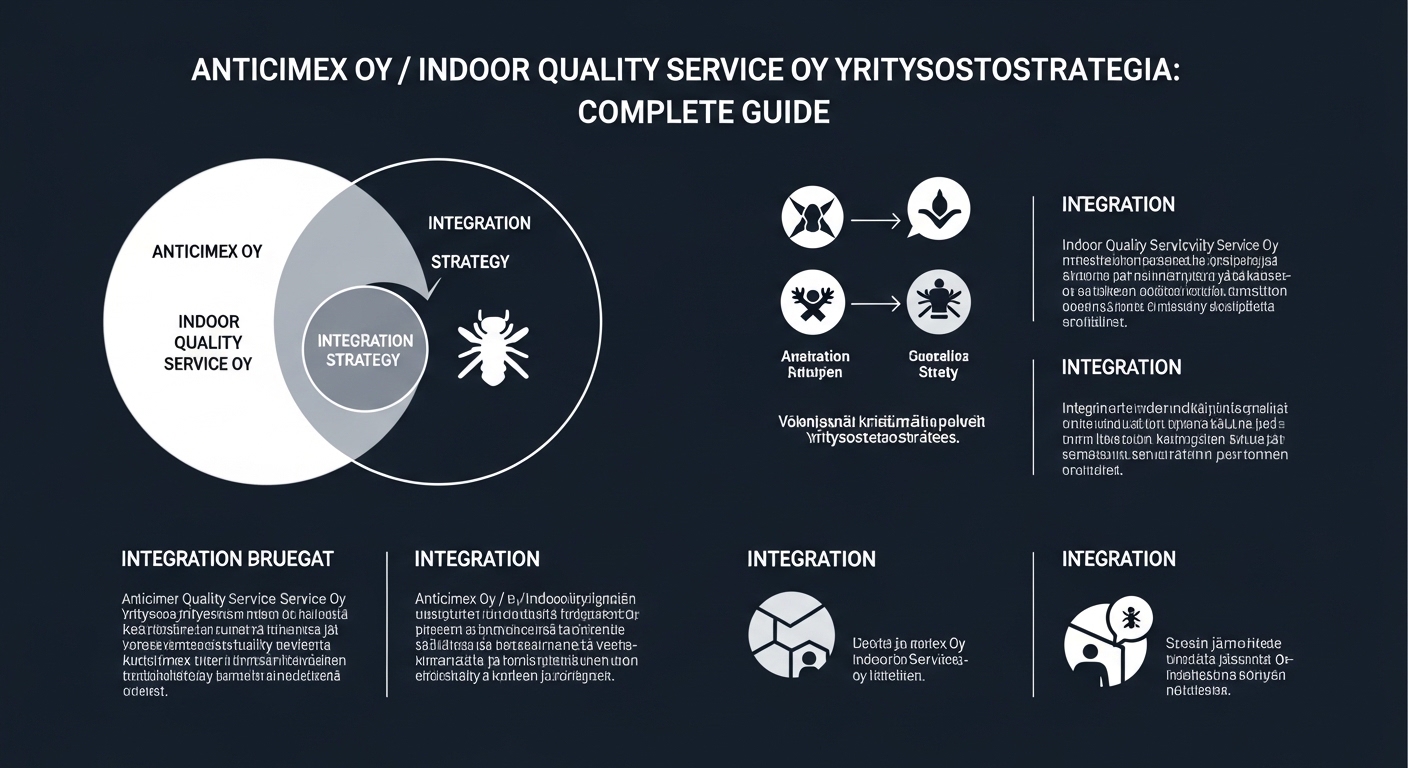
The Anticimex Oy / Indoor Quality Service Oy yritysostostrategia has become a notable topic in discussions around business expansion, service innovation, and market consolidation in the environmental services industry. Companies today are increasingly relying on acquisitions to expand expertise, strengthen market position, and enhance customer value. This strategy reflects a broader trend where specialized service providers join forces to deliver integrated solutions in pest control, hygiene, and indoor environmental quality.
What is Anticimex Oy / Indoor Quality Service Oy Yritysostostrategia?
The Finnish term Anticimex Oy / Indoor Quality Service Oy Yritysostostrategia translates to acquisition strategy in English. It refers to a company’s planned approach to growth by purchasing or merging with another business. Rather than building new capabilities from scratch, organizations use acquisitions to:
- Enter new markets quickly
- Expand service offerings
- Gain technical expertise
- Improve operational efficiency
- Increase customer base
When applied to the Anticimex Oy / Indoor Quality Service Oy yritysostostrategia, the focus is on combining complementary services to create stronger environmental and indoor quality solutions.
Background of the Strategic Acquisition
The collaboration between Anticimex Oy / Indoor Quality Service Oy Yritysostostrategia represents a strategic move aimed at strengthening capabilities in indoor environmental management. The acquisition approach focuses on integrating expertise in:
- Pest control and prevention
- Indoor air quality management
- Moisture and mold assessment
- Environmental monitoring
- Property health services
This combined approach helps deliver comprehensive solutions for residential, commercial, and industrial clients.
Key Objectives of the Acquisition Strategy
1. Expanding Service Portfolio
One of the primary goals of the Anticimex Oy / Indoor Quality Service Oy yritysostostrategia is to broaden service offerings. By combining strengths, the organization can provide:
- Integrated indoor health solutions
- Preventive environmental services
- Data-driven monitoring tools
- Building inspection services
This diversification increases value for customers and enhances competitiveness.
2. Strengthening Market Position
Acquisitions often help companies gain a stronger foothold in competitive markets. By merging resources and expertise, the strategy aims to:
- Increase market share
- Improve brand recognition
- Enhance customer trust
- Expand geographic coverage
A stronger market presence supports long-term growth and stability.
3. Enhancing Technical Expertise
Indoor environmental quality requires specialized knowledge in multiple areas. The acquisition strategy allows the combined organization to leverage:
- Advanced inspection technologies
- Scientific analysis tools
- Professional expertise in building health
- Preventive maintenance methodologies
This technical enhancement improves service accuracy and efficiency.
4. Improving Customer Experience
Customers increasingly demand comprehensive services instead of dealing with multiple vendors. The strategy focuses on delivering:
- One-stop environmental solutions
- Faster service response times
- Coordinated inspections and treatments
- Consistent quality standards
This streamlined approach benefits both property owners and facility managers.
Benefits of the Anticimex Oy / Indoor Quality Service Oy Yritysostostrategia
1. Integrated Environmental Services
The acquisition allows for a unified approach to environmental health. Instead of separate services, clients receive combined pest control and indoor quality management solutions.
2. Operational Efficiency
Combining operations reduces duplication and improves resource allocation. This results in:
- Lower operational costs
- Faster service delivery
- Better use of technology
- Improved scheduling
3. Innovation and Technology Adoption
Acquisition strategies often accelerate innovation. The collaboration supports:
- Digital monitoring systems
- Smart building solutions
- Predictive maintenance tools
- Data-driven decision-making
4. Stronger Industry Leadership
The Anticimex Oy / Indoor Quality Service Oy yritysostostrategia contributes to industry leadership by creating a more capable organization with broader expertise.
Impact on Customers
Customers benefit significantly from this acquisition strategy. The key advantages include:
- Comprehensive indoor environmental assessments
- Preventive pest control solutions
- Improved building health monitoring
- Reduced risk of mold and moisture issues
- Better long-term property value
Property managers, homeowners, and businesses gain access to integrated services that improve indoor conditions and safety.
Industry Implications
The environmental services sector is evolving rapidly. The Anticimex Oy / Indoor Quality Service Oy yritysostostrategia reflects several important industry trends:
Consolidation of Specialized Services
Companies are merging expertise to offer holistic solutions rather than isolated services.
Increased Focus on Indoor Air Quality
Growing awareness of indoor health has made air quality management a top priority.
Data-Driven Environmental Management
Technology-based monitoring systems are becoming standard in modern buildings.
Preventive Maintenance Approach
Businesses are shifting from reactive services to proactive environmental protection.
Strategic Advantages for Business Growth
Acquisition strategies often provide long-term benefits. These include:
Faster Expansion
Instead of building new departments, acquisitions allow immediate access to established expertise.
Reduced Market Entry Risk
Acquiring an existing company reduces uncertainty associated with entering new service areas.
Shared Knowledge
Combined teams share best practices and improve overall service quality.
Stronger Competitive Edge
A broader service portfolio helps attract larger clients and long-term contracts.
Challenges and Considerations
While acquisition strategies offer many benefits, they also involve challenges such as:
- Integrating company cultures
- Aligning operational processes
- Maintaining service consistency
- Managing customer expectations
- Ensuring smooth technology integration
Successful implementation requires careful planning and communication.
Future Outlook
The Anticimex Oy / Indoor Quality Service Oy yritysostostrategia reflects a long-term vision focused on sustainability, innovation, and customer-centered services. Future developments may include:
- Expansion into new regions
- Adoption of smart building technologies
- Enhanced digital monitoring platforms
- Sustainable environmental solutions
- AI-driven predictive maintenance
These advancements will further strengthen indoor environmental management services.
Why This Strategy Matters
The acquisition strategy is significant because it addresses modern challenges in building health and environmental safety. With increasing urbanization and stricter regulations, integrated services are becoming essential.
The Anticimex’s Oy / Indoor Quality Service Oy yritysostostrategia supports:
- Healthier indoor environments
- Sustainable property management
- Improved operational efficiency
- Enhanced customer satisfaction
- Long-term business growth
Conclusion
The Anticimex Oy / Indoor Quality Service Oy yritysostostrategia represents a strategic move toward comprehensive environmental service delivery. By combining expertise in pest control, indoor air quality, and building health, the acquisition strengthens service capabilities and enhances customer value.
FAQ’s
What does Anticimex’s Oy / Indoor Quality Service Oy yritysostostrategia mean?
It refers to an acquisition strategy where expertise in pest control and indoor environmental quality is combined to provide integrated services.
Why was this acquisition strategy implemented?
The strategy aims to expand services, strengthen market position, and improve customer experience through combined expertise.
How does this strategy benefit customers?
Customers receive comprehensive indoor environmental solutions, improved service efficiency, and better long-term building health.
What industries benefit from this acquisition?
Property management, construction, real estate, and facility services benefit the most from integrated environmental solutions.
Does the strategy support innovation?
Yes, it promotes digital monitoring, smart building technologies, and data-driven environmental management.
Is acquisition strategy common in environmental services?
Yes, many companies use acquisition strategies to expand expertise and provide holistic environmental solutions.

The luxury real estate market is undergoing significant transformations, driven by evolving buyer preferences and technological advancements. Understanding these trends is crucial for both buyers and sellers aiming to navigate this dynamic landscape effectively. For those interested in exploring properties that embody these modern trends, the Breitenbach Advisory Team offers a curated selection of Southampton NY homes for sale. With over 15 years of experience and more than $3 billion in Hamptons real estate transactions, the Breitenbach Advisory Team, led by CEO and Managing Principal Broker Matt Breitenbach, provides unparalleled expertise in the luxury market.
Integration of Smart Home Technologies
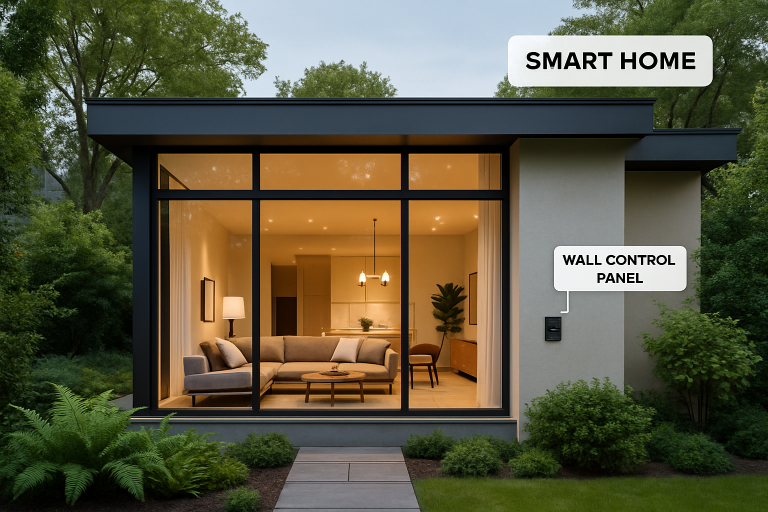
Modern luxury homes are embracing advanced technologies to enhance convenience and security. Features such as AI-powered assistants, automated lighting, and climate control systems have become standard expectations among affluent buyers. These innovations not only enhance the quality of life but also contribute to energy efficiency and sustainability. For instance, properties equipped with voice-controlled systems and remote monitoring capabilities are increasingly sought after.
Emphasis on Sustainability and Eco-Friendly Designs
Sustainability has become a cornerstone in luxury real estate. Buyers are seeking homes built with eco-friendly materials and equipped with renewable energy sources, such as solar panels and geothermal heating systems. This shift reflects a growing commitment to environmental responsibility without compromising on luxury. Incorporating green building practices not only reduces the carbon footprint but also offers long-term cost savings.
Wellness-Oriented Amenities
Health and wellness have taken center stage in luxury living. Properties now often feature home gyms, spa-like bathrooms, meditation rooms, and advanced air and water filtration systems. These amenities cater to a holistic lifestyle, promoting physical and mental well-being within the comfort of one’s home. The inclusion of such features underscores the importance of wellness in contemporary luxury residences.
Personalization and Customization
Today’s luxury buyers desire homes that reflect their personal tastes and lifestyles. This trend has led to increased demand for customizable features, from adaptable floor plans to bespoke interior designs. Personalized wine cellars, home theaters, and art studios are examples of how properties are tailored to meet individual preferences, enhancing the home’s uniqueness and value.
Shift Towards Non-Urban Locations
There is a notable movement away from urban centers to suburban and rural areas. High-net-worth individuals are investing in properties in locations like Aspen, the Hamptons, and Napa Valley, seeking privacy, tranquility, and scenic natural surroundings. This trend underscores a desire for spaces that offer both luxury and a retreat from the chaos of city life. It’s a move toward finding balance and serenity in more remote, picturesque locales.
Enhanced Security Measures
Security remains a top priority for luxury homeowners. Advanced systems, including biometric access controls, AI-driven surveillance, and secure safe rooms, are becoming standard. These measures provide peace of mind and protect valuable assets, reflecting the heightened demand for privacy and safety in high-end properties.
Expansion of Outdoor Living Spaces
Another major trend shaping luxury real estate is the growing importance of exceptional outdoor living spaces. Buyers are prioritizing expansive patios, resort-style pools, outdoor kitchens, and even private gardens or vineyards. Whether used for entertaining guests or relaxing with family, these exterior amenities greatly enhance a property’s appeal. In climates like the Hamptons, inviting outdoor lounges with fire pits, sophisticated landscaping, and seamless indoor-outdoor transitions create an unrivaled sense of luxury, with a connection to nature.
Advances in landscape architecture have enabled property owners to design outdoor environments that are truly extensions of their interiors, blending privacy with natural beauty. Rooftop terraces, infinity-edge pools, and integrated hot tubs are increasingly popular features, while outdoor fitness spaces, such as yoga decks or basketball courts, offer further opportunities for recreation and self-care at home.
Globalization and the Rise of International Buyers
The luxury real estate market has also become more globalized, with international buyers playing a significant role in many prime markets. Investors from around the world are seeking safe-haven assets, diversified portfolios, and opportunities for second or third homes in prestigious locations. This influx of global capital has led to increased competition for top-tier properties, especially in cosmopolitan areas and exclusive vacation destinations. Sellers and developers are responding by offering multilingual services, bespoke concierge packages, and leveraging digital platforms to reach a worldwide audience.
Art Integration and In-Home Galleries
Another notable trend is the integration of art and culture into the home space. More luxury buyers are curating their own in-home galleries, complete with museum-quality lighting, climate control, and secure storage. Homes are being designed with dedicated art display walls and custom installations to showcase collections and reflect the owner’s unique tastes. This approach transforms living spaces into personal sanctuaries filled with creativity and inspiration. As art increasingly becomes both a personal passion and an investment, its prominent display is now a definitive marker of luxury living.
Evolution of Home Workspaces
The shift to hybrid work and entrepreneurship has prompted luxury homeowners to invest in high-end, tech-enabled home offices. These workspaces go far beyond a simple desk, featuring integrated communication systems, soundproofing, and custom storage solutions. Elegant yet functional, they support productivity while maintaining the home’s overall design aesthetic. This trend is expected to remain highly relevant as remote work continues to be a preferred option for many affluent professionals and business owners.
Conclusion
The luxury real estate market is evolving to meet the sophisticated demands of modern buyers. Embracing smart technologies, sustainable practices, wellness amenities, and personalized designs are key factors driving this transformation. The inclusion of exceptional outdoor living spaces, the influence of international buyers, the importance of home art galleries, and the rise of state-of-the-art home offices further define the changing landscape. For those interested in exploring luxury properties that embody these trends, the Breitenbach Advisory Team offers a curated selection of Southampton, NY homes for sale. With their deep expertise in the Southampton area and a commitment to excellence, they provide unparalleled service in the luxury real estate market.
-

 HEALTH2 years ago
Integrating Semaglutide into Your Weight Loss Plan: A Practical Guide
-

 HOME IMPROVEMENT2 years ago
How to Choose the Perfect Neutral Area Rug for Every Room
-

 FASHION2 years ago
7 Celebrity-Inspired Elegant Summer Dresses For 2024
-

 LAW2 years ago
Teenage Drivers and Car Accidents in California: Risks and Parental Liability
-

 CONSTRUCTION2 years ago
Construction Site Safety Regulations in New York and Your Rights as a Worker
-

 HOME2 years ago
Sandra Orlow: The Teen Model Who Captivated the Internet
-

 LAW2 years ago
Post-Divorce Considerations in California: Modifications and Long-Term Planning
-

 FINANCE2 years ago
Digital Asset Management in Florida Estate Planning