Pulsation dampers play a quiet but essential role in keeping industrial fluid systems operating smoothly. If you work with dosing pumps, diaphragm pumps, or any type of positive-displacement pump, you are likely familiar with the challenge: every pump stroke produces pressure spikes and interruptions in flow. These fluctuations travel through the pipeline, causing vibration, noise, and premature wear on valves, instruments, and pipe supports.
A properly selected pulsation damper absorbs these pressure peaks and fills the low-pressure periods, transforming a sawtooth pressure wave into a much steadier, continuous flow. The result is improved equipment life, more accurate metering, and quieter and safer operation.
In this guide, we will explore how pulsation dampers work, the main types available, practical selection considerations, common installation mistakes, and best practices for achieving reliable performance on the plant floor. You can also visit the website https://pulsation-dampers-hidracar.com/en/
What Exactly Is a Pulsation Damper?
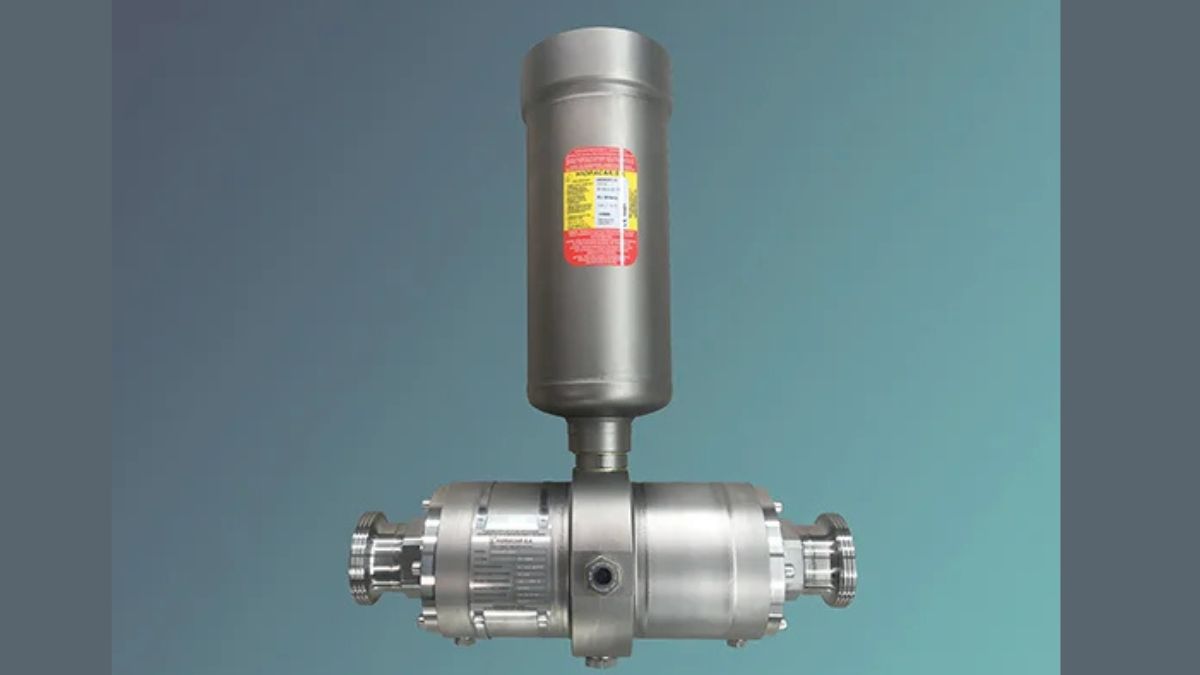
A pulsation damper, also known as a pulsation dampener, is a pressure vessel that is pre-charged with an inert gas, typically dry nitrogen. Inside the vessel, a flexible separator—such as a bladder, membrane, or bellows—keeps the gas completely separated from the process fluid.
When the pump produces a pressure pulse, some of the process fluid enters the damper and compresses the gas cushion. As pressure falls between pump strokes, the compressed gas expands and pushes the stored fluid back into the pipeline. This repeated absorption and release action helps smooth both pressure and flow.
The operating principle is similar to that of a hydraulic accumulator. However, pulsation dampers are specifically designed for high-frequency response, often up to 50 Hz, as well as the chemical, hygienic, and operational requirements of process industries.
Why Pulsations Occur and Why They Matter
Positive-displacement pumps move fluid in discrete volumes rather than producing a naturally continuous flow. Piston, plunger, diaphragm, and air-operated double-diaphragm (AODD) pumps can all generate characteristic pressure fluctuations.
When these pulsations are left uncontrolled, they can result in:
- Pipe vibration and support fatigue
- Increased operating noise and operator discomfort
- Premature wear of pump valves, seats, and seals
- Unstable readings from flow meters and pressure transmitters
- Reduced dosing accuracy in chemical injection systems
- Increased risk of cavitation on the suction side
In industries such as water treatment, chemical processing, food and beverage, pharmaceuticals, and oil and gas, these effects can quickly lead to higher maintenance costs and greater process variability.
Main Types of Pulsation Dampers
The most suitable pulsation damper design depends on factors such as operating pressure, temperature, chemical compatibility, and hygiene requirements.
| Type |
Separator Element |
Typical Pressure Range |
Best For |
Key Advantage |
| Bladder |
Elastomer bladder (NBR, EPDM, FKM, etc.) |
Up to 2000 bar |
General chemical and water applications |
High damping efficiency and easy bladder replacement |
| Membrane / Diaphragm |
PTFE or dual-membrane |
Up to 700 bar |
Corrosive fluids and moderate pressures |
Excellent chemical resistance |
| Bellows |
PTFE or stainless-steel bellows |
Up to 60–100 bar |
High-temperature or aggressive media |
No elastomer contact with fluid |
| In-line |
Hose or bladder in flow path |
Low to medium |
Food, pharma, and CIP systems |
Hygienic and cleanable without disassembly |
| Active (automatic pre-charge) |
PTFE membrane or bellows |
Variable pressure systems |
AODD pumps and fluctuating-duty applications |
Self-adjusting gas pressure |
Bladder models are the most common choice for standard industrial applications because they provide high volume absorption in a relatively compact design. Membrane and bellows designs become particularly important when the process fluid can attack rubber or when operating temperatures exceed the limits of conventional elastomers.
How to Select the Right Pulsation Damper
Correct sizing is more important than simply choosing a particular brand. An undersized damper may leave excessive residual pulsation, while an oversized unit can add unnecessary cost and take up additional space.
Important selection factors include:
- Pump displacement volume per stroke
- Number of pump heads, such as simplex, duplex, or triplex
- Working pressure and operating temperature
- Chemical composition and viscosity of the fluid
- Required residual pulsation level, typically 5–10% of mean pressure
- Installation location, with the discharge side being standard while suction-side stabilizers are also available
A practical rule of thumb used by many manufacturers is:
- Single-head pump: damper volume ≈ half the stroke volume
- Duplex pump: damper volume ≈ one-fifth of the stroke volume
- Triplex pump: damper volume ≈ one-twelfth of the stroke volume
These figures should be treated as preliminary guidelines rather than final sizing requirements. Always confirm the final damper volume with the supplier after they have reviewed the actual pump and pressure curve.
Pros and Cons of Using Pulsation Dampers
Pros
- Significantly reduces pipe vibration and operating noise
- Extends the service life of pumps, valves, and instruments
- Improves dosing accuracy and process stability
- Helps protect against water hammer and pressure spikes
- Can be designed for hygienic or highly corrosive applications
Cons
- Adds initial capital cost and a small pressure drop
- Requires correct pre-charge pressure and periodic inspection
- Bladders and membranes will eventually require replacement
- Incorrect sizing or installation can significantly reduce performance
In most industrial applications, the long-term savings associated with reduced maintenance and downtime can outweigh the initial investment.
Common Mistakes That Reduce Damper Performance
Many pulsation damper installations fail to deliver their full potential because of relatively simple and avoidable mistakes.
Wrong Pre-Charge Pressure
The nitrogen pre-charge should normally be maintained at approximately 60–80% of the mean working pressure. A charge that is too low or too high can reduce damping efficiency.
Installing the Damper Too Far From the Pump
A pulsation damper performs best when it is installed as close as possible to the pump discharge. Excessive distance can reduce its ability to respond effectively to pressure pulses.
Using the Wrong Separator Material
Separator material must be compatible with the process fluid. For example, using a conventional rubber bladder in a solvent service can result in rapid deterioration and premature failure.
Ignoring Temperature Effects
Gas pressure changes with temperature. As operating temperature increases, gas pressure also rises. Pre-charge pressure should therefore be established at the appropriate operating temperature or adjusted to account for temperature differences.
Neglecting Maintenance
Bladders and membranes have a finite service life. Skipping inspections or failing to maintain the nitrogen pre-charge can eventually result in a sudden loss of damping performance.
Best Practices for Long-Term Reliability
Following a few practical maintenance and installation practices can significantly improve pulsation damper reliability:
- Mount the unit vertically with the gas valve positioned at the top whenever possible.
- Use a reliable nitrogen charging kit and pressure gauge. Never use shop air for pre-charging.
- Install isolation valves and a drain so the damper can be serviced without draining the entire pipeline.
- For food and pharmaceutical applications, select in-line or CIP-compatible designs with smooth internal surfaces.
- Record the pre-charge pressure and inspection date during every maintenance interval.
- When replacing a bladder, inspect the inside of the shell for wear, damage, or contamination before reassembly.
- For systems with variable pressure, consider active dampers that can automatically adjust the gas charge.
Practical Example: Chemical Dosing Skid
A water-treatment plant installed three simplex metering pumps for ferric chloride injection. Before pulsation dampers were installed, the pressure gauges fluctuated significantly and the PVC discharge lines experienced noticeable vibration.
After correctly sized bladder-type pulsation dampers were installed and pre-charged to 70% of the operating pressure, residual pulsation was reduced to below 5%.
The pressure gauge readings became stable, pipeline vibration was eliminated, and the plant reported a noticeable reduction in pump valve wear after six months of operation.
Conclusion
Pulsation dampers remain one of the most cost-effective improvements available for systems that rely on positive-displacement pumps. By absorbing pressure peaks and releasing stored fluid during low-pressure periods, they help protect equipment, improve process accuracy, and create a quieter and safer working environment.
Whether you need a basic bladder unit for a chemical dosing line or a hygienic in-line model for food production, successful performance depends on three key factors: correct selection, proper installation, and routine maintenance of the gas pre-charge.
When these elements are properly addressed, pulsation dampers can provide reliable, long-term performance while helping keep industrial fluid systems operating smoothly.
5 SEO FAQs
1. What is the main purpose of a pulsation damper?
A pulsation damper reduces pressure and flow fluctuations generated by positive-displacement pumps. It helps protect pipes, valves, and instruments while also improving dosing accuracy.
2. Where should a pulsation damper be installed?
A pulsation damper should be installed as close as possible to the pump discharge. Vertical mounting with the gas valve positioned at the top is generally preferred for optimal performance.
3. How often should the nitrogen pre-charge be checked?
The nitrogen pre-charge should generally be checked every three to six months, or more frequently in high-cycle or critical applications. The pressure should always be verified at the appropriate system temperature.
4. Can pulsation dampers be used with AODD pumps?
Yes. Active or self-adjusting pulsation dampers can be particularly effective with air-operated double-diaphragm pumps because these pumps can experience variable operating pressures.
5. What materials are used for the separator in corrosive services?
PTFE membranes, PTFE bellows, and stainless-steel bellows are commonly used when process fluids are aggressive or incompatible with standard elastomer materials.
Meta Description:
Learn how pulsation dampers reduce pressure spikes, protect pumps and pipes, and improve flow stability in industrial systems. Explore selection tips and best practices.