
TECHNOLOGY
How Securities Fraud Affects Your Financial Stability


What Is Securities Fraud?
Deceptive tactics in the stock or commodities markets that substantially negatively impact investors and financial stability are referred to as securities fraud. Providing incorrect or misleading information, participating in unlawful insider trading, and operating Ponzi or pyramid schemes are typical examples of these fraudulent actions. The main aim is to manipulate financial markets and deceive investors into making decisions based on distorted information.
These unethical and illegal practices lead to severe penalties for those involved. By misleading investors, securities fraud disrupts market integrity, making identifying genuine market signals harder. Seeking the assistance of a California securities fraud lawyer can help mitigate the impact of such deceptive practices. These legal experts are well-versed in securities laws and can guide those affected by securities fraud.
Types of Securities Fraud
Securities fraud takes many forms, each with its own unique traits and techniques. By being aware of these kinds of fraud, investors can recognize and avoid them.
Insider Trading
Insider trading is profitably trading stocks by utilizing non-public, confidential information. This unfair advantage disturbs the equal playing field in the market and erodes public confidence. Insider trading is prohibited because it unfairly benefits a small number of investors at the expense of other investors. There are severe penalties and jail time as legal consequences.
Pump and Dump Schemes
Fraudsters use false or misleading information to artificially increase the price of a stock in a pump-and-dump scheme. Once the stock price has been fraudulently raised, these fraudsters sell their shares at an inflated price. After they have sold their shares, the stock price usually plummets, leaving other investors with significant losses. These schemes exploit investor enthusiasm and greed, making them particularly dangerous.
Accounting Fraud
Accounting fraud involves manipulating a company’s financial statements to present a falsely optimistic picture of its economic health. This deception can lead investors to make ill-informed decisions, thinking they are investing in a stable and profitable company. Enron is a well-known example of accounting fraud, where the manipulation of financial statements led to one of the biggest corporate collapses in history.
Ponzi Schemes
Ponzi schemes promise high returns with little to no risk for the investors. Instead of earning returns from legitimate business activities, these schemes pay initial investors using the funds collected from new investors. Eventually, Ponzi schemes collapse when there aren’t enough new investors to fund the returns. The Bernie Madoff scandal is one of the most notorious Ponzi schemes, causing billions in losses for investors.
Internet Fraud
Internet fraud involves using online platforms to disseminate false information about a company to manipulate its stock price. This form of fraud has become increasingly popular with the growth of social media and online trade forums. Fraudsters can spread rumors or fake news, causing unwarranted panic or enthusiasm and sharp stock price movements.
Impact on Investors
Securities fraud poses a significant issue, leading to considerable financial losses and psychological and emotional distress for individual investors. Investors may become less confident in the financial markets and hesitate to invest. Additionally, unsuspecting investors may face legal consequences for engaging in fraudulent transactions. In severe cases, investors may face lengthy investigations and legal scrutiny, further exacerbating their financial burden. The broader impact of securities fraud extends to the overall market, as widespread fraud can lead to a loss of confidence, market instability, and significant market downturns. This affects not only individual investors but also institutional investors, pension funds, and the overall economy.
How to Recognize It
Recognizing the signs of securities fraud is crucial for protecting your investments. Here are some red flags to watch out for:
- Unusually High Returns: Be wary of investments that promise abnormally high returns with little or no risk. Such promises are often too good to be accurate and indicate fraudulent schemes. Always remember that higher returns typically come with higher risks.
- Pressure to Invest: Fraudsters often use high-pressure tactics to rush you into making a quick decision. If you feel rushed or coerced into investing, it is a significant red flag. Legitimate investment opportunities will not require immediate decisions.
- Lack of Information: Finding transparent information about the investment is a red flag. Legitimate investments will have detailed and readily available information for potential investors. If information is complex or vague, proceed cautiously.
- Complex Strategies: If the investment strategy is too complex to understand, it can distract or confuse investors. Ensure you fully understand where your money is going and how it will generate returns. Complexity should not be an excuse for lack of transparency.
Legal Options for Victims
Victims of securities fraud have several legal options to pursue justice and recover their losses. Here are some steps that can be taken:
Filing Complaints: Victims can file complaints with regulatory bodies like the SEC. These organizations investigate and take enforcement actions against fraudulent activities. Making a complaint might start an investigation and help get money back that was lost.
Class-Action Lawsuits: Participating in class-action lawsuits allows victims to join forces with other affected investors to file lawsuits. This can provide a more coordinated and robust effort to seek compensation. Class-action lawsuits can be particularly effective when the same scheme has defrauded many investors.
Individual Legal Action: Individual legal action may also be pursued by victims. The appropriate course of action can be determined by consulting with a securities fraud expert lawyer. These attorneys can assist in navigating the complexity of securities law and constructing a compelling case. According to the SEC’s rule update, new amendments aim to protect investors by enhancing disclosure requirements and compliance standards, which can benefit victims seeking justice.
Importance of Education
Staying informed about investment strategies, regulatory changes, and emerging fraud schemes is crucial for protecting investments and contributing to the integrity of financial markets. Online platforms like financial news websites, webinars, and courses provide resources to keep investors educated about the evolving landscape of investment fraud. Regularly reviewing your portfolio, staying updated on market trends, and seeking advice from reputable sources can help identify potential red flags. Further fraudulent activity can be stopped by reporting suspicious activity to the authorities. Investing in financial literacy initiatives and keeping up with industry advancements can provide you with the knowledge required to negotiate the challenges associated with investing successfully. By being proactive with your education and awareness, you may lower your chances of becoming a victim of securities fraud and make more assured, knowledgeable investing decisions.
TECHNOLOGY
Beyond the Printed Sleeve: The Engineering Case for Laser Marking in Electrical Wire Identification


In electrical panel assembly, the wire identification step sits at a structural inflection point in the production workflow. Its output, a set of permanently and accurately labelled conductors, is the prerequisite for every downstream operation, including connection verification, functional testing, commissioning sign-off, and long-term maintenance. Yet the technologies most commonly deployed for this task remain remarkably fragile relative to the environments in which their output must perform.
The identification problem in high-density wiring environments
Modern electrical panels, whether deployed in industrial automation, railway rolling stock, marine systems, or offshore installations, present a wire identification challenge that scales in complexity with conductor density and operational longevity. A panel containing several hundred individually routed conductors, each requiring identification at both termination points with alphanumeric codes derived from the associated electrical schematic, imposes demands on marking durability, spatial compactness, and documentation accuracy that consumable-based printing technologies address only partially.
Ink-printed marker sleeves, heat-shrink labels, and ribbon-printed ferrule markers share a common vulnerability profile: the marking layer is a polymer ink or toner system deposited onto the sleeve surface. In environments where conductors are routed through cable trays subject to vibration, where maintenance technicians handle wiring looms with oil-contaminated gloves, or where operating temperatures cycle across wide ranges over the system lifetime, surface-applied ink markings degrade through a combination of mechanical abrasion, chemical attack, and thermal stress. In railway and marine applications, where maintenance intervals may be measured in years and access to the original documentation is not guaranteed, an illegible wire tag is not a minor inconvenience, it is a diagnostic failure that extends maintenance downtime and increases the risk of miswiring during corrective action.
Laser marking mechanisms applied to wire identification materials
The application of laser marking for wire tagging resolves the surface-layer vulnerability by producing markings that are integral to the sleeve or tag material rather than applied to it. The laser-material interaction varies with substrate: on polyolefin and cross-linked polyethylene sleeves, controlled carbonisation of the polymer matrix produces high-contrast dark marks on a light substrate; on certain halogen-free flame-retardant materials, foaming mechanisms generate light marks on a dark substrate. In both cases, the resulting mark has no discrete layer boundary, as the marking depth is a function of the laser parameters rather than an additive process.
The practical consequences for marking durability are significant. Laser-marked sleeves exposed to industrial lubricants, hydraulic fluids, thermal cycling, and mechanical flexion in laboratory and field testing maintain full alphanumeric and barcode readability without protective overcoating. The absence of an ink vehicle eliminates the primary chemical attack pathway through which solvent-based cleaning agents and petroleum derivatives degrade printed marks.
Spatial performance is equally relevant in dense wiring contexts. Laser systems operating with beam diameters in the range of 50 to 200 µm can produce legible alphanumeric marking on sleeves sized for conductors from 0.5 mm² cross-section upward, at character heights compatible with both unaided visual inspection and automated optical verification systems.
Schematic-to-assembly data integration
A technically underappreciated dimension of laser wire marking is its compatibility with direct data export from electrical CAD environments. Systems such as EPLAN Electric P8, Zuken E3, and AutoCAD Electrical can generate wire list exports in structured formats that laser marking controllers consume directly, producing a complete set of marked sleeves, in schematic sequence, sized and sorted by conductor, prior to the commencement of panel wiring.
This integration eliminates a class of error endemic to manual or semi-manual marking workflows, specifically transcription discrepancies between the electrical schematic and the physical marking. Where a technician manually enters identification codes into a printing system, character transposition, reference misreading, and version mismatch between the printed set and the current revision of the schematic are persistent risk factors. Direct schematic export removes the human transcription step entirely, producing a physical marking set that is, by construction, consistent with the design documentation.
Standards compliance and long-term traceability
IEC 60445 and related national equivalents governing the identification and marking of electrical equipment establish legibility and durability requirements for conductor identification that surface-printed systems meet only under ideal conditions. For installations subject to periodic third-party inspection, including those governed by machinery directive compliance requirements, railway interoperability regulations, or offshore safety cases, the long-term legibility of wire identification markings is not an operational preference, but a documented compliance requirement.
Laser-marked wire identification materials offer a technically defensible response to these requirements: permanent markings, no consumable dependencies, direct traceability to design documentation, and a durability profile consistent with the operational lifetimes of the systems in which they are installed.
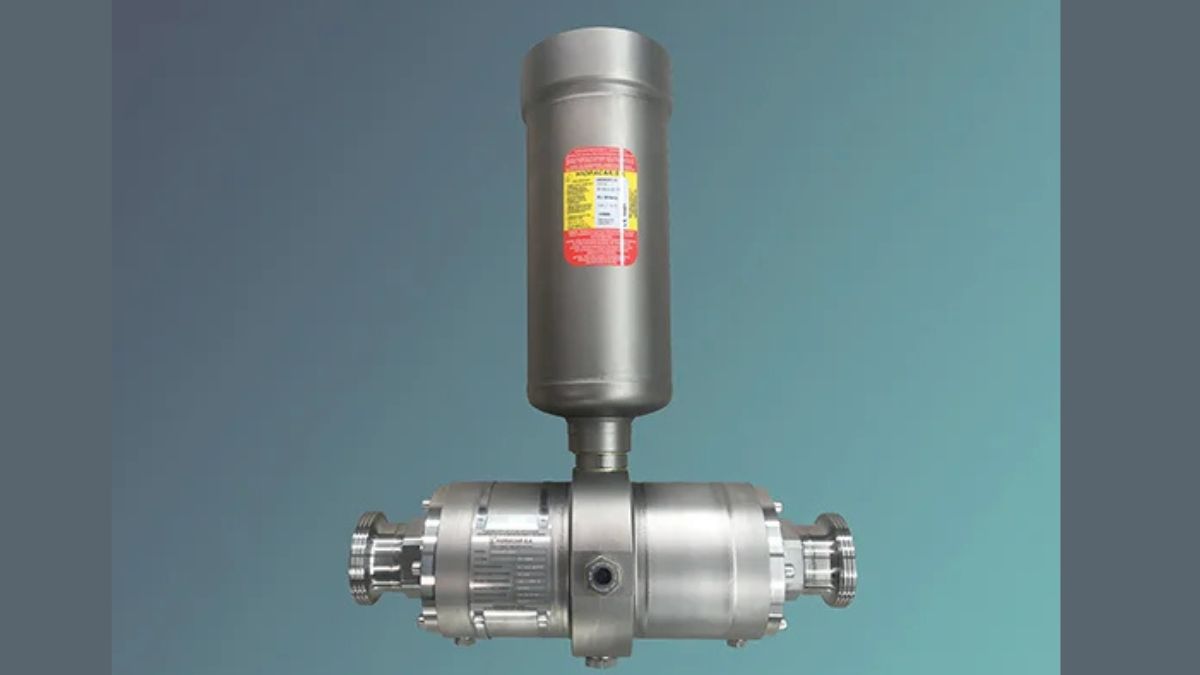
Pulsation dampers play a quiet but essential role in keeping industrial fluid systems operating smoothly. If you work with dosing pumps, diaphragm pumps, or any type of positive-displacement pump, you are likely familiar with the challenge: every pump stroke produces pressure spikes and interruptions in flow. These fluctuations travel through the pipeline, causing vibration, noise, and premature wear on valves, instruments, and pipe supports.
A properly selected pulsation damper absorbs these pressure peaks and fills the low-pressure periods, transforming a sawtooth pressure wave into a much steadier, continuous flow. The result is improved equipment life, more accurate metering, and quieter and safer operation.
In this guide, we will explore how pulsation dampers work, the main types available, practical selection considerations, common installation mistakes, and best practices for achieving reliable performance on the plant floor. You can also visit the website https://pulsation-dampers-hidracar.com/en/
What Exactly Is a Pulsation Damper?
A pulsation damper, also known as a pulsation dampener, is a pressure vessel that is pre-charged with an inert gas, typically dry nitrogen. Inside the vessel, a flexible separator—such as a bladder, membrane, or bellows—keeps the gas completely separated from the process fluid.
When the pump produces a pressure pulse, some of the process fluid enters the damper and compresses the gas cushion. As pressure falls between pump strokes, the compressed gas expands and pushes the stored fluid back into the pipeline. This repeated absorption and release action helps smooth both pressure and flow.
The operating principle is similar to that of a hydraulic accumulator. However, pulsation dampers are specifically designed for high-frequency response, often up to 50 Hz, as well as the chemical, hygienic, and operational requirements of process industries.
Why Pulsations Occur and Why They Matter
Positive-displacement pumps move fluid in discrete volumes rather than producing a naturally continuous flow. Piston, plunger, diaphragm, and air-operated double-diaphragm (AODD) pumps can all generate characteristic pressure fluctuations.
When these pulsations are left uncontrolled, they can result in:
- Pipe vibration and support fatigue
- Increased operating noise and operator discomfort
- Premature wear of pump valves, seats, and seals
- Unstable readings from flow meters and pressure transmitters
- Reduced dosing accuracy in chemical injection systems
- Increased risk of cavitation on the suction side
In industries such as water treatment, chemical processing, food and beverage, pharmaceuticals, and oil and gas, these effects can quickly lead to higher maintenance costs and greater process variability.
Main Types of Pulsation Dampers
The most suitable pulsation damper design depends on factors such as operating pressure, temperature, chemical compatibility, and hygiene requirements.
| Type | Separator Element | Typical Pressure Range | Best For | Key Advantage |
| Bladder | Elastomer bladder (NBR, EPDM, FKM, etc.) | Up to 2000 bar | General chemical and water applications | High damping efficiency and easy bladder replacement |
| Membrane / Diaphragm | PTFE or dual-membrane | Up to 700 bar | Corrosive fluids and moderate pressures | Excellent chemical resistance |
| Bellows | PTFE or stainless-steel bellows | Up to 60–100 bar | High-temperature or aggressive media | No elastomer contact with fluid |
| In-line | Hose or bladder in flow path | Low to medium | Food, pharma, and CIP systems | Hygienic and cleanable without disassembly |
| Active (automatic pre-charge) | PTFE membrane or bellows | Variable pressure systems | AODD pumps and fluctuating-duty applications | Self-adjusting gas pressure |
Bladder models are the most common choice for standard industrial applications because they provide high volume absorption in a relatively compact design. Membrane and bellows designs become particularly important when the process fluid can attack rubber or when operating temperatures exceed the limits of conventional elastomers.
How to Select the Right Pulsation Damper
Correct sizing is more important than simply choosing a particular brand. An undersized damper may leave excessive residual pulsation, while an oversized unit can add unnecessary cost and take up additional space.
Important selection factors include:
- Pump displacement volume per stroke
- Number of pump heads, such as simplex, duplex, or triplex
- Working pressure and operating temperature
- Chemical composition and viscosity of the fluid
- Required residual pulsation level, typically 5–10% of mean pressure
- Installation location, with the discharge side being standard while suction-side stabilizers are also available
A practical rule of thumb used by many manufacturers is:
- Single-head pump: damper volume ≈ half the stroke volume
- Duplex pump: damper volume ≈ one-fifth of the stroke volume
- Triplex pump: damper volume ≈ one-twelfth of the stroke volume
These figures should be treated as preliminary guidelines rather than final sizing requirements. Always confirm the final damper volume with the supplier after they have reviewed the actual pump and pressure curve.
Pros and Cons of Using Pulsation Dampers
Pros
- Significantly reduces pipe vibration and operating noise
- Extends the service life of pumps, valves, and instruments
- Improves dosing accuracy and process stability
- Helps protect against water hammer and pressure spikes
- Can be designed for hygienic or highly corrosive applications
Cons
- Adds initial capital cost and a small pressure drop
- Requires correct pre-charge pressure and periodic inspection
- Bladders and membranes will eventually require replacement
- Incorrect sizing or installation can significantly reduce performance
In most industrial applications, the long-term savings associated with reduced maintenance and downtime can outweigh the initial investment.
Common Mistakes That Reduce Damper Performance
Many pulsation damper installations fail to deliver their full potential because of relatively simple and avoidable mistakes.
Wrong Pre-Charge Pressure
The nitrogen pre-charge should normally be maintained at approximately 60–80% of the mean working pressure. A charge that is too low or too high can reduce damping efficiency.
Installing the Damper Too Far From the Pump
A pulsation damper performs best when it is installed as close as possible to the pump discharge. Excessive distance can reduce its ability to respond effectively to pressure pulses.
Using the Wrong Separator Material
Separator material must be compatible with the process fluid. For example, using a conventional rubber bladder in a solvent service can result in rapid deterioration and premature failure.
Ignoring Temperature Effects
Gas pressure changes with temperature. As operating temperature increases, gas pressure also rises. Pre-charge pressure should therefore be established at the appropriate operating temperature or adjusted to account for temperature differences.
Neglecting Maintenance
Bladders and membranes have a finite service life. Skipping inspections or failing to maintain the nitrogen pre-charge can eventually result in a sudden loss of damping performance.
Best Practices for Long-Term Reliability
Following a few practical maintenance and installation practices can significantly improve pulsation damper reliability:
- Mount the unit vertically with the gas valve positioned at the top whenever possible.
- Use a reliable nitrogen charging kit and pressure gauge. Never use shop air for pre-charging.
- Install isolation valves and a drain so the damper can be serviced without draining the entire pipeline.
- For food and pharmaceutical applications, select in-line or CIP-compatible designs with smooth internal surfaces.
- Record the pre-charge pressure and inspection date during every maintenance interval.
- When replacing a bladder, inspect the inside of the shell for wear, damage, or contamination before reassembly.
- For systems with variable pressure, consider active dampers that can automatically adjust the gas charge.
Practical Example: Chemical Dosing Skid
A water-treatment plant installed three simplex metering pumps for ferric chloride injection. Before pulsation dampers were installed, the pressure gauges fluctuated significantly and the PVC discharge lines experienced noticeable vibration.
After correctly sized bladder-type pulsation dampers were installed and pre-charged to 70% of the operating pressure, residual pulsation was reduced to below 5%.
The pressure gauge readings became stable, pipeline vibration was eliminated, and the plant reported a noticeable reduction in pump valve wear after six months of operation.
Conclusion
Pulsation dampers remain one of the most cost-effective improvements available for systems that rely on positive-displacement pumps. By absorbing pressure peaks and releasing stored fluid during low-pressure periods, they help protect equipment, improve process accuracy, and create a quieter and safer working environment.
Whether you need a basic bladder unit for a chemical dosing line or a hygienic in-line model for food production, successful performance depends on three key factors: correct selection, proper installation, and routine maintenance of the gas pre-charge.
When these elements are properly addressed, pulsation dampers can provide reliable, long-term performance while helping keep industrial fluid systems operating smoothly.
5 SEO FAQs
1. What is the main purpose of a pulsation damper?
A pulsation damper reduces pressure and flow fluctuations generated by positive-displacement pumps. It helps protect pipes, valves, and instruments while also improving dosing accuracy.
2. Where should a pulsation damper be installed?
A pulsation damper should be installed as close as possible to the pump discharge. Vertical mounting with the gas valve positioned at the top is generally preferred for optimal performance.
3. How often should the nitrogen pre-charge be checked?
The nitrogen pre-charge should generally be checked every three to six months, or more frequently in high-cycle or critical applications. The pressure should always be verified at the appropriate system temperature.
4. Can pulsation dampers be used with AODD pumps?
Yes. Active or self-adjusting pulsation dampers can be particularly effective with air-operated double-diaphragm pumps because these pumps can experience variable operating pressures.
5. What materials are used for the separator in corrosive services?
PTFE membranes, PTFE bellows, and stainless-steel bellows are commonly used when process fluids are aggressive or incompatible with standard elastomer materials.
Meta Description:
Learn how pulsation dampers reduce pressure spikes, protect pumps and pipes, and improve flow stability in industrial systems. Explore selection tips and best practices.

Professional window tinting offers numerous advantages beyond enhancing your vehicle’s appearance. From protecting against harmful UV rays to improving privacy and comfort, investing in quality tinting can significantly enhance your driving experience. For those seeking expert window tinting near me, FlexShield Window Tint & Car Stereo, a trusted name in auto customization in Denton, TX, provides top-notch window tinting solutions. Their extensive experience and commitment to quality make them a go-to choice for drivers in the Dallas-Fort Worth metroplex.
UV Protection
One of the primary benefits of professional window tinting is its ability to block harmful ultraviolet (UV) rays. High-quality window films can block up to 99% of UV radiation, protecting passengers from skin damage and reducing the risk of skin cancer. Additionally, this protection helps preserve the car’s interior by preventing fading and cracking of upholstery and dashboards.
Repeated exposure to UV rays can accelerate wear in your vehicle, not only fading your carpeting and fabric seats but also weakening leather and making plastics brittle. With advancements in tint technology, today’s films are designed to provide maximum UV protection without noticeably darkening your windows, making them suitable even in areas with strict tint regulations.
Drivers with children or families who frequently travel together will especially appreciate the added layer of sun protection that professional tinting provides, promoting safer, healthier journeys for everyone.
Heat Reduction
Professional window tinting significantly reduces the amount of heat entering the vehicle. By blocking a substantial portion of solar energy, tinted windows keep the car’s interior cooler, especially during hot weather. This leads to a more comfortable driving experience and reduces the need for air conditioning, thereby improving fuel efficiency.
In regions with intense sunlight or long, hot summers, tinted windows can make entering your parked car far more bearable, minimizing the ‘oven effect’ that occurs after sitting in the sun for hours. Studies have shown that cars with window tint can have interior temperatures up to 60% cooler than those of non-tinted vehicles, helping protect your dashboard electronics, seat upholstery, and even personal belongings left inside.
Enhanced Privacy and Security
Tinted windows provide increased privacy by limiting visibility into the vehicle. This can deter potential thieves by concealing valuables inside the car. Additionally, in the event of an accident, window tinting can help hold shattered glass together, reducing the risk of injury from flying glass shards.
Parents, rideshare drivers, business professionals, and anyone who carries sensitive materials can benefit from the added peace of mind tinted windows offer. Customizable tint levels allow car owners to strike the right balance between outward visibility and privacy needs, matching both personal and legal preferences.
Beyond theft prevention, car window films enhance occupant safety by reinforcing glass and adding durability that can be critical during unforeseen accidents or break-in attempts.
Interior Preservation
Exposure to sunlight can cause significant damage to a vehicle’s interior over time, leading to fading, discoloration, and cracking of materials such as leather, fabric, and plastic. Professional window tinting acts as a protective shield, blocking harmful UV rays and reducing sunlight exposure. This protection extends the life of your car’s interior, helping it retain its original appearance and value.
Routine care and professional tinting work together to reduce the likelihood of expensive interior repairs down the road. This is especially valuable for luxury or classic cars, where maintaining original interior finishes is crucial for retaining overall value and authenticity.
Reduced Glare
Glare from sunlight or headlights can be a major distraction and safety hazard while driving. Professional window tinting reduces glare by filtering excessive light, allowing you to see the road more clearly. This is especially beneficial during sunrise, sunset, or nighttime driving when glare can impair your vision.
Frequent commuters and long-distance drivers can especially benefit from glare reduction, which reduces eye strain and fatigue, making for a safer and more comfortable drive regardless of the season or weather conditions.
Improved Energy Efficiency
By reducing the amount of heat that enters your vehicle, window tinting decreases the reliance on air conditioning to cool the interior. This leads to better fuel efficiency and a more environmentally friendly driving experience. Over time, improvements in energy efficiency can result in significant savings in fuel costs.
Many businesses with fleet vehicles find professional window tinting a worthwhile investment, as it helps reduce operational costs and supports eco-friendly initiatives, aligning with corporate social responsibility goals.
Enhanced Aesthetics
Window tinting is a simple yet impactful way to enhance your vehicle’s overall appearance. Professionally installed tints give your car a sleek, modern, and polished look that can elevate its aesthetic appeal. With a variety of shades and finishes available, you can customize the tint to complement your car’s design and personal style.
Modern window films are available in a wide spectrum of tints, colors, and reflectivities, allowing vehicle owners to personalize their cars while staying within legal guidelines. Tints can be subtle for a factory-like finish or bold for a distinctive look that makes a statement on the road.
Increased Resale Value
When the time comes to sell or trade in your vehicle, professionally installed window tinting can be a significant asset. Tinted windows signal to potential buyers that you have taken measures to protect and maintain your car. This is especially appealing to buyers who value a well-preserved interior and enhanced privacy. By preserving the car’s interior and adding aesthetic appeal, window tinting helps maintain or even increase your vehicle’s resale value.
Because window tinting protects against both cosmetic and structural interior damage, a potential buyer is more likely to be impressed by the car’s condition, which can justify a higher asking price. Many used-car dealers also look favorably on vehicles with professional tints, as they reflect proactive maintenance and care by the previous owner.
For those seeking professional window tinting services, FlexShield Window Tint & Car Stereo offers expert installation and high-quality materials. Serving the local area, they provide a range of tinting options tailored to meet your needs.
Choosing the Right Professional Tint Installer
When selecting a window tint professional, it’s essential to consider their experience, available warranties, and the quality of the materials they use. A reputable installer will walk you through the various tint types, including dyed, metalized, carbon, and ceramic films, each with unique features tailored to particular needs and budgets. Reviews and customer testimonials can provide insight into service quality, while warranties offer peace of mind, ensuring your investment is protected for years to come.
Ultimately, investing in professional window tinting not only enhances your vehicle’s comfort and style but also contributes to its longevity and value. As the demand for auto customization continues to rise, the benefits of window tinting are clearer than ever, making it a smart, cost-effective upgrade for virtually any vehicle owner.
-

 HEALTH2 years ago
Integrating Semaglutide into Your Weight Loss Plan: A Practical Guide
-

 HOME IMPROVEMENT2 years ago
How to Choose the Perfect Neutral Area Rug for Every Room
-

 FASHION2 years ago
7 Celebrity-Inspired Elegant Summer Dresses For 2024
-

 HOME2 years ago
Sandra Orlow: The Teen Model Who Captivated the Internet
-

 LAW2 years ago
Teenage Drivers and Car Accidents in California: Risks and Parental Liability
-

 CONSTRUCTION2 years ago
Construction Site Safety Regulations in New York and Your Rights as a Worker
-

 LAW2 years ago
Post-Divorce Considerations in California: Modifications and Long-Term Planning
-

 FINANCE2 years ago
Digital Asset Management in Florida Estate Planning