
HOME
Eco-Conscious Mattress Disposal: Protecting Our Planet

Introduction
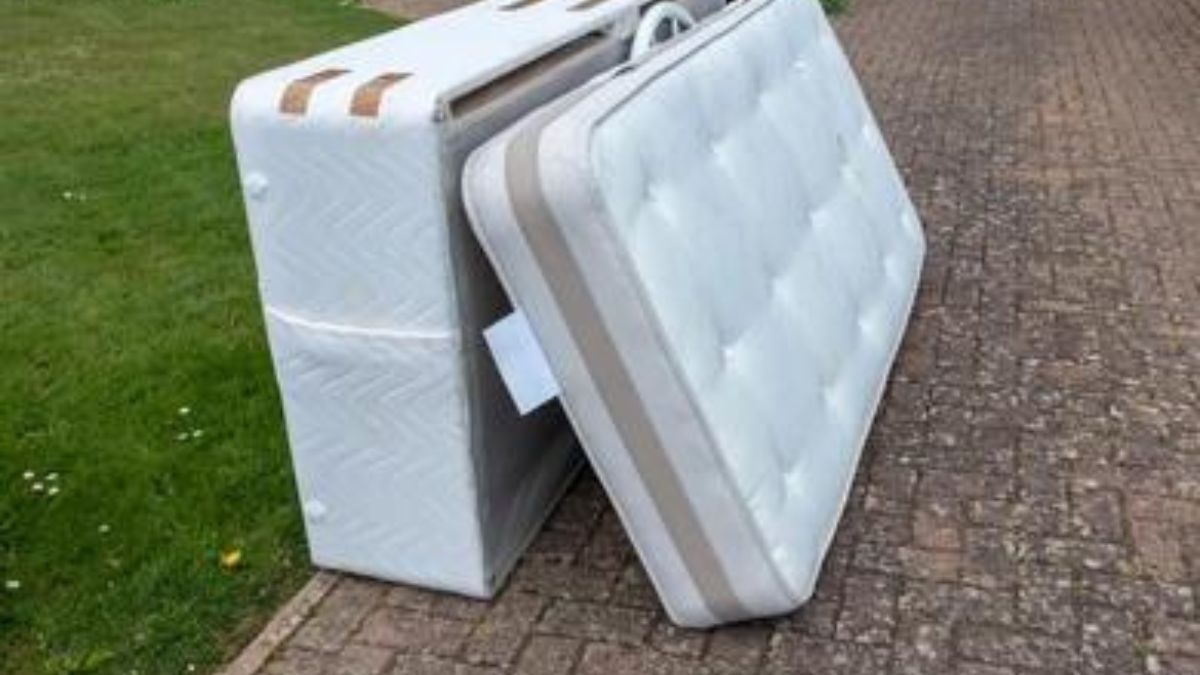
Disposing of an old mattress can be daunting, especially considering environmental implications. Traditional disposal methods, such as sending mattresses to landfills, can contribute significantly to waste and pollution. Many people are unaware of the impact and the alternatives. So, how does one responsibly throw away a mattress? This guide aims to provide effective solutions for eco-friendly mattress disposal, including recycling and repurposing options that benefit the environment and offer practical benefits for you.
The Environmental Impact of Improper Mattress Disposal
Improper disposal of mattresses poses a significant threat to the environment. When mattresses end up in landfills, they can decompose fully between 80 to 120 years. During this lengthy decomposition process, the mattresses release harmful chemicals and toxins into the soil and air, contributing to pollution and potential health risks for nearby communities. The accumulation of these bulky items also exacerbates the problem of overcrowded landfills, making waste management more challenging and costly. According to the Environmental Protection Agency (EPA), mattresses are a considerable burden on landfill space, highlighting the urgent need for more sustainable disposal methods.
This environmental impact extends beyond just the physical space taken up by mattresses. The materials used in mattresses, such as polyurethane foam, can release volatile organic compounds (VOCs) as they break down. These VOCs can contribute to air pollution and have been linked to respiratory problems and other health issues. Furthermore, metal components in mattresses can rust and leach into the soil, potentially contaminating groundwater supplies. Given these significant environmental and health risks, it’s clear that responsible mattress disposal is essential.
Eco-Friendly Mattress Disposal Options
Fortunately, there are several eco-friendly ways to dispose of an old mattress:
- Donation: If the mattress is still in relatively good condition, donating it to a local charity or shelter can be a fantastic option. Many organizations, like homeless shelters and thrift stores, welcome donations of gently used mattresses. This not only helps someone in need but also keeps the mattress out of the landfill. Before donating, ensure the mattress meets the organization’s standards for health and hygiene. It’s also worth calling ahead to confirm that the organization accepts mattress donations, as policies can vary widely.
- Recycling: Many parts of a mattress, such as the metal springs, foam, and fabric, can be recycled. Specialized recycling centers can dismantle and separate these components for further use. This reduces the environmental footprint and promotes the reuse of valuable materials. Organizations like Earth911 provide resources and locations for mattress recycling. It’s a smart idea to research local recycling programs and facilities that accept mattresses, as not all recycling centers have the capability to process these items.
- Professional Disposal Services: There are companies dedicated to responsibly disposing of mattresses by recycling their components. Utilizing such services ensures that your old mattress is handled in an eco-friendly way, usually through partnerships with recycling facilities. This option is particularly convenient if you lack the means or time to transport the mattress. Many of these services offer pickup, making it easy to dispose of your mattress hassle-free. Ensure that the service you choose is transparent about its disposal methods and is committed to environmental sustainability.
Understanding Local Disposal Regulations
Laws and regulations regarding mattress disposal can vary significantly based on your location. Some states and municipalities have specific guidelines and recycling programs to facilitate easier and more responsible disposal of old mattresses. For example, certain areas may require mattresses to be recycled or even impose fines for improper disposal. Checking with your local government or waste management agency can clarify the best practices within your community. Understanding and complying with local regulations helps the environment and ensures that you avoid any potential legal repercussions.
It’s worth noting that some regions have taken progressive steps to address the issue of mattress disposal. For instance, states like California, Connecticut, and Rhode Island have implemented mattress recycling programs funded by a small fee added to the purchase of new mattresses. These programs have successfully diverted millions of mattresses from landfills, providing a model for other regions to follow. By staying informed about local disposal regulations, you can contribute to these positive environmental initiatives and support the broader goal of reducing waste.
Repurposing and Recycling Mattress Materials
Repurposing and recycling materials from an old mattress is eco-friendly and can save money and resources. Here are a few creative and practical ideas for repurposing mattress components:
- Springs: The metal springs from an old mattress can be used for various DIY projects. For instance, they can be crafted into wine racks, candle holders, or garden trellises. If DIY isn’t your thing, you can always sell the metal springs as scrap metal to recycling centers. The creative reuse of metal springs can add a unique aesthetic to home decor projects and provide functional benefits. By repurposing these items, you extend their lifecycle and minimize waste.
- Foam: Memory foam from mattresses can be repurposed for numerous uses around the home. It can be cut down to create pillows, pet beds, or seat cushions. Foam can also be used for insulation in small construction projects or as padding for packaging. By finding new uses for mattress foam, you can save money on household items and reduce the demand for new materials. Additionally, repurposing foam can contribute to a more comfortable and functional living space.
- Fabric: The fabric covering from a mattress can be upcycled into textiles for craft projects. It can be used to make cushion covers, bags, or quilts. Repurposing the fabric not only gives it a new life but also reduces the demand for new materials. Engaging in fabric upcycling projects can be a fun and rewarding way to practice sustainability in your daily life. These projects also have the potential to create unique, personalized items that reflect your creativity and eco-consciousness.
How to Choose a Mattress Disposal Service
When selecting a mattress disposal service, it’s crucial to ensure that the service aligns with eco-friendly and responsible practices. Here are key factors to consider:
- Reputation and Reviews: Research and read reviews from other customers to ensure the service is reputable and has a history of responsible disposal. Look for services that are highly recommended within your community. Customer feedback can provide valuable insights into the reliability and efficacy of different disposal services.
- Certifications: Ensure the service holds certifications from relevant environmental authorities. This guarantees that they follow environmentally responsible practices and adhere to regulations. Certifications can serve as a reliable indicator that the service is committed to sustainability and proper waste management.
- Cost: While comparing prices is essential, finding a service that offers a reasonable rate without compromising on eco-friendliness is important. Sometimes, paying a little extra ensures the mattress is disposed of most responsibly. It’s also worth considering the convenience of pickup and transportation services, as these can save you time and effort. Weigh the overall value rather than just look at the upfront cost to ensure you’re making a choice that aligns with your sustainability goals.
HOME
How KWI, LLC Helps Spokane Property Owners Solve Leasing, Maintenance, and Tenant-Management Challenges in 2026


Owning or renting property can involve far more than signing a lease and collecting a monthly payment. Vacancies, applicant communication, repairs, documentation, and changing local requirements all require consistent attention. For owners and renters looking for property management Spokane WA, KWI, LLC presents a local option designed to bring those responsibilities into a more organized process.
KWI, LLC works with both sides of the rental relationship. Owners can seek help with leasing and ongoing operations, while renters can review available properties and communicate with a management team throughout their tenancy. The company describes its service model as covering marketing, tenant screening, lease administration, proactive maintenance, and support for long-term occupancy.
What Can KWI, LLC Do for Owners and Renters?
KWI, LLC helps manage the practical work that keeps rental properties operating. For owners, that can include advertising a vacancy, processing applications, coordinating leases, and organizing maintenance. For renters, it can mean having a single point of contact for property questions, payment activity, and repair requests. Bringing these functions together can reduce confusion caused by separate systems and unclear responsibilities.
Why Does Spokane Property Management Require Local Knowledge?
Rental property decisions should reflect the rules and conditions of the community where a property is located. In the City of Spokane, long-term rental properties are subject to a registration program. The city reported that more than 4,700 long-term rental properties, representing more than 23,000 units, had been registered during 2024. Its long-term rental registry also states that covered landlords, property managers, and owner-agents must register qualifying properties.
For owners, this reinforces the value of documented processes and local awareness. A management partner cannot eliminate every operational issue, but it can help create a more consistent approach to leasing, communication, property condition, and routine administrative work.
Which Property Management Services Does KWI, LLC Provide?
KWI, LLC frames its services as connected parts of a single management process rather than isolated tasks. Common needs and the related support include:
- Vacancy marketing: Listing support can help a property reach prospective renters and create a clearer starting point for leasing activity.
- Application and lease administration: Organizing applications, screening steps, and lease paperwork can make the rental process easier to track.
- Tenant communication: Phone, email, text, and portal-based communication give renters and owners several ways to stay informed.
- Maintenance coordination: Routine repairs and urgent issues need a defined reporting and response path.
- After-hours emergency support: KWI, LLC states that it provides emergency support outside normal business hours.
How Does KWI, LLC Help Property Owners Protect Their Investment?
Property owners often choose management support because daily responsibilities can grow quickly during a vacancy, a repair, or a tenant transition. KWI, LLC can assist with exposure for available units, application workflow, leasing documentation, maintenance coordination, and tenant-facing communication. This allows an owner to remain involved in major decisions without personally handling every incoming request.
According to the company’s published information, KWI, LLC manages 100 residential properties and 30 commercial properties, has 15 years of experience, and operates with a seven-member team. Those figures indicate the company’s stated operating scope, not a guarantee of income, occupancy, or investment results for any individual property.
How Does KWI, LLC Make Renting Easier?
Renters benefit when the process for finding a property, submitting payments, and reporting issues is straightforward. KWI, LLC lists residential options such as apartments and single-family homes, as well as commercial spaces and vacation rentals. Availability, pet policies, amenities, layouts, and pricing vary by listing, so renters should review each property’s details before applying.
The company also states that its online portal can be used for rent payments, maintenance requests, and communication at any time. During business hours, KWI, LLC says calls are directed to live local agents, which can be useful when a renter needs assistance with a lease or property-specific question.
How Does KWI, LLC Approach Tenant Screening and Fair Housing?
Screening is an important part of leasing, but it should be administered consistently and carefully. KWI, LLC states that it conducts business in accordance with the Fair Housing Amendments Act and that it does not accept comprehensive, reusable tenant screening reports. Applicants should always review current rental criteria and ask questions about the application process before submitting materials.
Screening reports can contain credit, public record, and other background information, but accuracy matters. The Consumer Financial Protection Bureau notes that rental background checks can contain errors and explains that renters have the right to dispute inaccurate information. A careful, consistent process helps support fairer decisions while avoiding assumptions that any report can predict a tenant’s future behavior.
How Does KWI, LLC Handle Maintenance and Tenant Requests?
Maintenance affects tenant comfort, property condition, and owner planning. KWI, LLC states that tenants can submit maintenance requests through its online portal and that the company coordinates routine and emergency work with trusted subcontractors. Clear reporting gives the management team a starting point for assessing the request, communicating next steps, and tracking repair activity.
Timely attention to leaks, heating issues, electrical problems, and other property issues can help prevent minor problems from becoming more disruptive. Renters should report problems promptly and provide accurate details, while owners benefit from a process that documents maintenance activity and keeps communication moving.
What Types of Properties Does KWI, LLC Manage?
- Residential properties: Apartments, houses, and other long-term rental homes.
- Commercial properties: Spaces that may include retail, office, and flexible-use locations.
- Commercial land development: Support connected to future business property and development opportunities.
- Vacation rentals: Short-term stay options for travelers and getaway-focused use.
How Does KWI, LLC Compare With Self-Management?
Self-management may work well for an owner with a nearby property, available time, and confidence in handling leasing, repairs, and tenant questions. Professional management can be a practical alternative for owners with multiple properties, limited availability, or a preference for delegated day-to-day operations.
- With self-management, the owner handles marketing, applications, vendors, repair follow-up, and tenant calls directly.
- With KWI, LLC, the management team supports the leasing workflow, communication channels, and maintenance coordination.
- In either approach, owners should compare service scope, communication practices, costs, local experience, and procedures for the specific property type.
Frequently Asked Questions
What does KWI, LLC do?
KWI, LLC provides leasing and property management support for residential, commercial, and vacation rental opportunities in the Spokane-area market.
Does KWI, LLC work with property owners?
Yes. Its stated services include marketing, tenant screening, lease administration, maintenance coordination, and ongoing tenant communication.
Can renters submit maintenance requests online?
Yes. KWI, LLC states that its online portal allows users to submit maintenance requests and communicate with the team.
Does KWI, LLC manage commercial properties?
Yes. The company identifies commercial properties and commercial land development among its service areas.
Final Thoughts
KWI, LLC provides property management support across leasing, tenant communication, maintenance coordination, and ongoing property operations. For Spokane-area owners and renters, understanding the company’s services, screening practices, communication options, and property types can help clarify whether its management approach fits their needs. Reviewing the specific services, requirements, and terms for each property remains an important step before moving forward.

A baby pulling up on the edge of the sofa. A toddler stamping through a puddle in the park. A six-year-old sprinting across the playground at break. Three children, three completely different demands on whatever they have on their feet. Barefoot shoes for kids tend to be described as a single category, yet the shoe a child needs changes its job at least three times before primary school is well under way, and the features worth checking shift each time.
Before walking becomes walking
In the months when a baby crawls, cruises along the furniture and takes the first unsupported steps, many parents keep them barefoot indoors whenever the floor allows it. The reasoning usually given is that a young child gathers information through the soles of the feet, and anything that dulls that contact gets in the way. At this stage the shoe matters mostly outdoors and in cold rooms, where its job is protection from temperature and rough surfaces rather than support.
That is why the smallest sizes in minimalist ranges look closer to a thick sock than to a shoe. The Mini Contact 2.0, for example, pairs a soft, sock-like upper with a flexible non-slip sole, and the kids’ range starts from sizes for six to twelve months. What to look for is simple. The shoe should fold easily in your hand, stay on without squeezing, and add as little weight as possible. Grip matters on smooth floors. Structure does not.
The unsteady walker
Once walking becomes the main way of getting around, the shoe takes on more work. Toddlers fall often, kneel constantly, drag their toes and test every surface they can reach. The upper now has to survive scuffing, the sole needs enough grip for wet paths and playground matting, and the closure suddenly becomes important, because a shoe that slips at the heel is a shoe that trips.
Hook-and-loop straps are common on minimalist toddler shoes for exactly that reason. They let a parent adjust the fit around a foot that can seem chubby one month and slimmer the next, and they let a child begin putting shoes on alone, which matters more to a two-year-old than any technical feature. The toe box still has to leave room for the toes to spread. In many conventional children’s shoes the front is the narrowest part, while in a small child’s foot the toes are often the widest point.
Running, jumping and the school day
By school age the shoe is doing a third job. It has to cope with running and sudden stops, long hours on hard classroom floors, football at break and whatever the weather does on the walk home. Durability starts to count as much as flexibility, and the line between a shoe for playing and a shoe for school fades, because most children end up wearing one pair for both.
In current ranges this is where models such as the Younger Contact 4.0 and the Junior Contact 4.0 sit, both with strap closures and, on the Junior, a gum sole. Autumn and winter call for a different kind of shoe. The Winter Mini Contact adds a fleece lining, an adjustable strap and a higher collar around the ankle, while keeping a flexible minimalist sole. The higher cut keeps out cold and wet and steadies the shoe on the foot, which counts for a lot on the dark, damp school runs that start around this time of year.
What stays the same from the first pair to the last
Some things hold through all three stages. A zero-drop sole, a wide toe box and real flexibility remain the base, whatever the size. Growth is the constant problem. Children’s feet grow in irregular spurts, so checking the fit every few months, instead of waiting for a complaint, is the habit most often recommended. Children seldom say a shoe is tight; they start leaving it off, or walking a little differently, or tugging at the strap.
Measuring at home is easiest with the child standing on a sheet of paper, heel against a wall, while an adult marks the tip of the longest toe. The distance in centimetres can then be compared with the size chart, which on minimalist ranges is normally expressed in foot length rather than in a number borrowed from another system. The space left at the front should allow for movement and some growth, without turning the shoe into a slipper that flaps at every step.
Two practical details help as well. Pull out the insole, if there is one, and stand the child on it: any toe hanging over the edge is an answer in itself. And check both feet, since one is frequently a little longer than the other, and the larger foot sets the size.
Three questions, one per stage
Every new pair invites the same question: what is this shoe being asked to do now? At nine months the answer is warmth and protection on cold floors and rough ground. At eighteen months it is grip and a strap that holds the heel in place through every tumble. At six it is a sole that survives the playground, the rain and the school corridor, and still folds in half when you bend it in your hand.

Choosing a vehicle in 2026 involves more than picking the biggest model that fits the budget. Trucks, SUVs, and electric vehicles can all offer modern safety technology, comfortable cabins, and useful capabilities, but each category solves different daily problems. Readers comparing available vehicle types can learn more before narrowing their options.
The best choice starts with an honest look at real habits: commute distance, passenger count, cargo needs, towing requirements, parking space, fuel costs, and access to charging. A vehicle that works well on an ordinary Tuesday will usually be a better long-term fit than one chosen for a single annual vacation.
Start With A Real-World Driving Profile
Before comparing trims or colors, write down what a normal week looks like. Estimate daily mileage, note how often adults, children, pets, or coworkers ride along, and list the items that need to fit inside the cabin, cargo area, or bed. Consider whether most driving happens in town, on highways, or on uneven roads.
Also, ask whether towing is a regular need, whether overnight charging is possible at home, and how many years the vehicle may stay in the household. This quick profile separates must-have capabilities from features that may be nice but are rarely used.
When A Truck Makes The Most Sense
A truck is often the strongest choice for drivers who frequently tow trailers, boats, campers, or equipment, or who carry bulky, muddy, heavy, or awkward materials. An open bed can be more practical than an enclosed cargo area for lumber, landscaping supplies, work gear, and recreational equipment.
Do not rely only on a model name or the highest advertised tow rating. Check the specific truck’s door-jamb payload label, cab configuration, bed length, drivetrain, hitch equipment, and axle setup. Payload includes people, tools, cargo, accessories, and trailer tongue weight, so it can be used up faster than many shoppers expect.
Truck Questions To Ask
- What is the heaviest load or trailer the vehicle will handle?
- Will towing happen every month or only on rare weekends?
- Is a longer bed necessary for work materials or equipment?
- Will the truck also be used for daily commuting and in tight parking areas?
Light-duty trucks suit many household towing and hauling jobs, while heavy-duty models are designed for more demanding loads. The trade-offs can include larger turning circles, higher fuel consumption, more expensive tires, and a tighter fit in garages or crowded lots.
When An SUV Is The Better Fit
An SUV is often the most balanced answer for families, commuters, road-trippers, and drivers who want passengers and cargo protected from the weather. Compact SUVs can be easier to park and less expensive to operate, midsize SUVs add room for growing families, and three-row models help when carrying more people is a regular need.
Compare usable space rather than focusing solely on maximum cargo volume figures. Check second-row legroom, third-row access, fold-flat seating, lift-over height, roof-load ratings, and whether all-wheel drive is available. A smaller SUV with a lower cargo floor may be easier to load every day than a larger model with more space on paper.
SUV Features Worth Comparing
- Second-row comfort and child-seat access
- Fold-flat seating and cargo-floor shape
- Visibility, parking cameras, and turning radius
- Ride quality and cabin noise on highway trips
- All-wheel-drive capability for local weather conditions
- Safety features such as adaptive cruise control and blind-spot alerts
When An EV Fits Daily Life
An EV can be an excellent match for predictable daily driving, especially when overnight home charging is available. Electric motors provide quiet operation, quick response, and fewer routine maintenance needs than conventional gasoline powertrains. The federal overview of all-electric vehicle operation explains how range, charging time, efficiency, and maintenance differ from gasoline vehicles.
However, EV ownership works best when charging is part of a routine rather than an inconvenience. Cold weather, fast highway speeds, steep terrain, cargo, and towing can reduce real-world range. Drivers who make frequent long-distance trips should plan routes, charging stops, and backup options before deciding that an EV is their only vehicle.
EV Readiness Checklist
- Measure usual daily mileage, including errands and school or work trips.
- Confirm whether overnight home charging is available or practical.
- Locate chargers near work, regular destinations, and common travel routes.
- Review the vehicle’s estimated range and leave a practical buffer.
- Budget for a home charging installation if needed.
Compare Fuel, Charging, And Maintenance Costs
Monthly affordability depends on more than the payment. Include fuel or electricity, insurance, registration, tires, maintenance, repairs, and possible charging equipment. Public charging availability can vary widely by route and region, so drivers should review electric vehicle charging infrastructure trends alongside their own local charging options.
Simple Annual Cost Formula
Annual energy cost = yearly miles ÷ efficiency × energy price
For a gasoline vehicle, efficiency is miles per gallon. For an EV, use miles per kilowatt-hour or kilowatt-hours per mile. Local gasoline and electricity prices make the estimate more useful, and a yearly calculation is usually more revealing than a quick guess based on a single fill-up or charging session.
Think About Towing And Payload Separately
Towing capacity is the weight a vehicle can pull, while payload is the weight it can carry. Passengers, luggage, tools, bed accessories, and hitch weight all reduce available payload. Confirm the loaded trailer weight, tongue weight, hitch rating, trailer brakes, and manufacturer guidance before choosing a vehicle. A comfortable margin is smarter than selecting a model that only barely meets the requirement.
New Or Used: Which Path Fits The Budget?
New vehicles may offer the latest technology, full warranty coverage, and more configuration options. Used vehicles can lower the purchase price and reduce early depreciation. For any used vehicle, review the history report and service records, inspect tires and brakes, look for rust or water damage, test electronics and climate controls, and arrange an independent pre-purchase inspection.
Build A Shortlist And Make The Final Choice
- Choose the vehicle category that matches the weekly driving profile.
- Set a full monthly budget that includes operating costs.
- Remove models that lack required passenger, cargo, towing, payload, or range capability.
- Compare at least three similar vehicles with comparable equipment.
- Test-drive the final choices on roads similar to your normal commute.
During the test drive, check seating comfort, visibility, parking confidence, cargo loading, control layout, and rear-seat access. A truck is usually best for regular hauling and towing. An SUV is often the strongest all-purpose choice for families. An EV can be a practical daily driver when charging and range align with real life. The right decision is the one that fits the budget, routine, and long-term needs without adding unnecessary compromises
-

 HEALTH2 years ago
Integrating Semaglutide into Your Weight Loss Plan: A Practical Guide
-

 HOME IMPROVEMENT2 years ago
How to Choose the Perfect Neutral Area Rug for Every Room
-

 FASHION2 years ago
7 Celebrity-Inspired Elegant Summer Dresses For 2024
-

 HOME2 years ago
Sandra Orlow: The Teen Model Who Captivated the Internet
-

 LAW2 years ago
Teenage Drivers and Car Accidents in California: Risks and Parental Liability
-

 CONSTRUCTION2 years ago
Construction Site Safety Regulations in New York and Your Rights as a Worker
-

 LAW2 years ago
Post-Divorce Considerations in California: Modifications and Long-Term Planning
-

 FINANCE2 years ago
Digital Asset Management in Florida Estate Planning