
HOME
A Practical Checklist for Comparing Pensacola, Florida Coastal Communities Before Buying

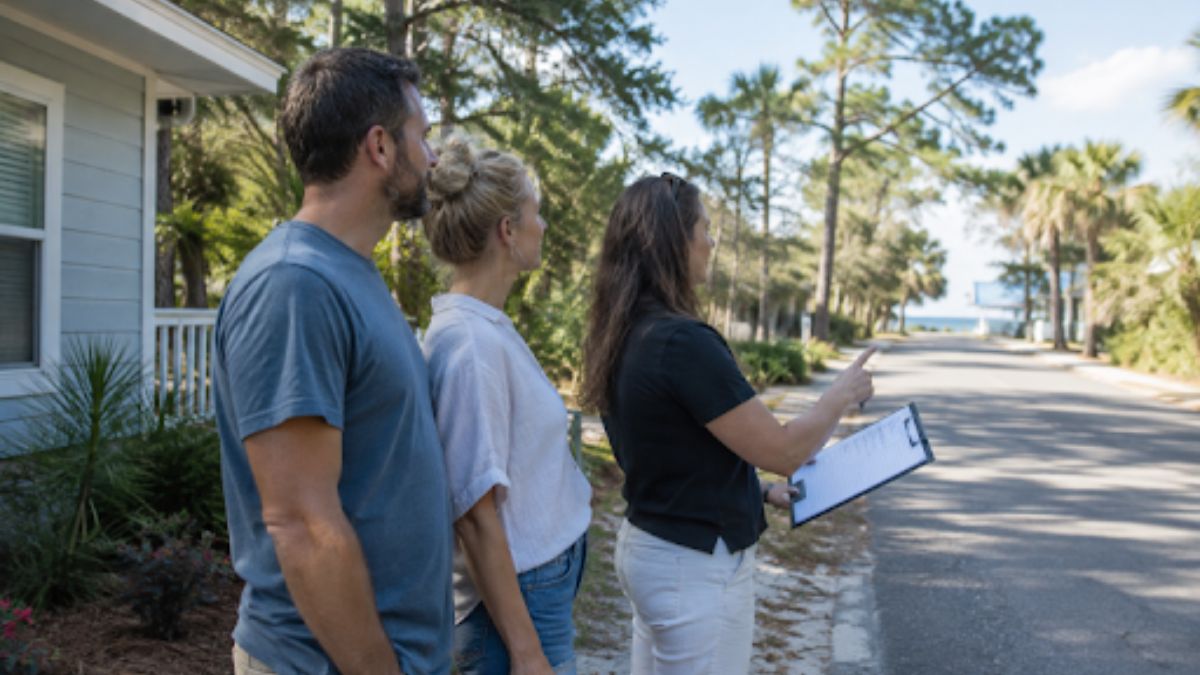
Buying near the water in Pensacola, Florida, can mean very different things depending on whether you picture a downtown-adjacent neighborhood, a Gulf Breeze home near the bay, a quieter Navarre address, or a beach property with sand and water views close by. The best choice is usually not the community with the lowest list price or the shortest walk to the shore. It is the one that fits your budget, routines, risk tolerance, and long-term plans.
For help sorting through those differences, Pensacola real estate agents Coastal Collective Group offers buyer, relocation, waterfront, luxury, and investment-property guidance across Greater Pensacola. Coastal Collective Group is a local real estate team serving Pensacola, Gulf Breeze, Navarre, Pensacola Beach, and Navarre Beach, making it a useful starting point for buyers who need neighborhood-level insight rather than a one-size-fits-all coastal search.
Why the Community Matters as Much as the Home
Two homes with similar prices can create very different ownership experiences. A larger inland home may provide more storage, yard space, and easier access to everyday errands. A smaller beach-area condo may offer views and recreation, but also add association obligations, seasonal activity, and building-level maintenance considerations. The goal is to compare ordinary weekdays, storm preparation, and long-term upkeep, not just a sunny weekend showing.
Start With the Property’s Main Job
- Primary residence: Prioritize work routes, healthcare, schools, groceries, and year-round services.
- Second home: Look for practical lock-and-leave features, manageable maintenance, and convenient arrival routes.
- Vacation rental: Review local requirements, association rules, rental limits, and realistic operating expenses before relying on projected income.
- Investment property: Consider demand, vacancies, repairs, taxes, financing, and the resale market for comparable homes.
- Retirement home: Evaluate access to medical care, home layout, walkability, storm readiness, and ongoing upkeep.
Compare Pensacola-Area Communities by Lifestyle
Pensacola
Pensacola can suit buyers who want a wider range of housing styles and access to downtown, employment centers, restaurants, healthcare, shopping, and airport travel. The city includes established neighborhoods, historic areas, newer developments, and waterfront-adjacent options, so buyers should compare individual neighborhoods rather than treating Pensacola as a single, uniform market.
Gulf Breeze
Gulf Breeze appeals to buyers seeking a primarily residential setting with access to Pensacola and nearby beach areas. Test important routes at the times you would actually use them, especially when bridge access affects the trip. For each property, examine lot drainage, flood information, insurance estimates, nearby services, and the practical distance to work or school.
Navarre
Navarre offers a different pace, with mainland neighborhoods, newer homes, and beach access. Carefully compare mainland Navarre with Navarre Beach. A home may be close to the water yet have a very different commute, lot size, insurance profile, rental environment, and availability of everyday services than another property only a few miles away.
Pensacola Beach and Navarre Beach
These beach communities offer direct coastal recreation, water views, and a distinct vacation-oriented atmosphere. They also require close attention to storm exposure, wind and flood insurance, seasonal traffic, shared-building responsibilities, and ownership structure. With a condo or townhome, request the association budget, reserve information, rules, insurance details, meeting minutes, and any information about pending assessments.
Build a Realistic Total-Cost Estimate
Your purchase price is only one part of the decision. Create monthly and annual estimates that include the mortgage, property taxes, homeowners’ insurance, flood coverage when applicable, HOA or condo fees, utilities, maintenance, and travel costs. For waterfront homes, also consider exterior materials, roofs, docks, seawalls, pools, landscaping, and marine-related maintenance. Request insurance quotes for the exact address, because roof age, construction, elevation, and prior claims can affect cost.
Check Flood Exposure and Coastal Risk
Flood risk should be reviewed at the address level, rather than assumed based on a neighborhood name or a nearby property. Use the FEMA Flood Map Service Center to review the property’s mapped flood information, then ask for available elevation documentation and seller disclosures. During inspections, look closely at drainage, roof condition, windows, doors, foundation type, and storm-protection features. A lower-risk map designation does not mean flooding is impossible, so buyers should still consider drainage patterns, coverage options, and their own financial comfort level.
Review Commutes and Everyday Access
Drive key routes during morning and afternoon work periods, weekends, and a busy beach-season day when possible. Check the trip to work, schools, hospitals, pharmacies, grocery stores, military facilities, and the airport. Online map estimates are useful, but they cannot fully show how a route feels during a real errand run or after an event. Confirm school assignments directly with the appropriate district because boundaries and enrollment policies can change.
Match the Property Type to Your Lifestyle
- Single-family homes: Often provide privacy, storage, parking, and yard space. Review drainage, trees, fencing, exterior materials, roof age, and storm preparedness.
- Condos and townhomes: Can reduce personal exterior maintenance, but buyers should understand fees, rules, insurance responsibilities, parking, pets, rentals, reserves, and assessments.
- Waterfront homes: Require careful review of docks, lifts, seawalls, erosion, water depth, access, permits, and maintenance responsibilities. Waterfront does not automatically mean the same boating access or insurance profile.
Use Local Data, Not Broad Headlines
National real estate headlines rarely accurately describe every segment of the Pensacola area. Compare recent closed sales, active listings, pending properties, and days on market for homes that closely match the property type, location, condition, and amenities you are considering. Beach condos, inland family homes, luxury residences, and rental-oriented properties can behave differently, even within the same broader area.
Questions to Ask Before Making an Offer
- What will the total monthly ownership cost be after insurance, fees, taxes, and maintenance?
- Is flood insurance required, available, recommended, or excluded from the current quote?
- What repairs or replacements may be needed within the next five years?
- Do HOA rules affect rentals, renovations, pets, boats, parking, or exterior changes?
- Are there any planned changes to roads, drainage, construction, or development nearby?
- Which recent sales are the most relevant comparisons for this specific home?
A Simple Community Comparison Worksheet
Score each community from one to five, then write a few notes beside every category:
- Purchase price: Compare similar homes, not broad averages.
- Insurance and flood exposure: Use quotes and documents tied to the specific address.
- Commute and access: Test important routes during busy periods.
- Daily lifestyle: Consider quiet time, recreation, restaurants, parks, and errands.
- Maintenance needs: Include roofs, pools, yards, docks, seawalls, and shared amenities.
- Long-term fit: Consider future household needs, resale potential, and changing priorities.
Common Buyer Questions
Is it better to live near the beach or inland?
Neither option is automatically better. Inland homes may offer more space and fewer coastal maintenance concerns, while beach-area homes can provide closer access to water and recreation. The right answer depends on budget, insurance tolerance, maintenance preferences, and how often you expect to use the beach lifestyle.
Should buyers visit in more than one season?
Yes. A second visit during a different time of year can reveal changes in traffic, parking, noise, rental activity, weather, and the pace of daily life.
Choose the Community That Fits Real Life
The strongest Pensacola-area purchase balances lifestyle with practical ownership. By comparing community character, total cost, commute patterns, coastal exposure, property condition, and future plans, buyers can choose a home that works just as well on a normal Tuesday as it does on a bright Gulf Coast weekend.

Arlington, Virginia, has undergone striking changes in its residential neighborhoods, particularly as more homeowners and developers turn to demolishing older homes and replacing them with modern, energy-efficient buildings. This transformation is not only visible in the changing skyline but also in the way people seek new types of living spaces. For those navigating this landscape, understanding the key factors influencing this shift is essential. Anyone considering a home rebuild in Arlington, VA must look beyond personal preference, including economic, environmental, and community impacts.
The movement toward modern homes in Arlington reflects both a desire for improved amenities and a response to the evolving demands and opportunities presented by the local real estate market. Available lots are increasingly used for new, larger, and more technologically advanced residences, often part of a broader trend that is reshaping the character of longstanding communities in the region.
Rising Demand for Modern Homes
There is a clear and rising appetite among Arlington’s homebuyers for residences that offer more than traditional property stock. While houses built in the mid-20th century are often sturdy and charming, they commonly lack modern open layouts, updated heating and cooling systems, and advanced energy-saving technologies. Many families, especially those moving from urban nearby areas or seeking to invest long-term, want homes with greater functionality, smart automation, and longevity.
To meet these needs, the market has adjusted. Instead of renovating outdated interiors or expanding existing footprints piecemeal, more buyers are opting to start from scratch. Tear-downs allow for total customization, making it easier to integrate features like chef’s kitchens, integrated home offices, and enhanced natural lighting. The resulting increase in new construction allows Arlington to continually modernize its housing stock while catering to changing lifestyle preferences.
Economic Factors Driving Tear-Downs
One of the dominant forces behind Arlington’s home teardown phenomenon is economics. The underlying value of land in Northern Virginia often rivals, and in some cases exceeds, that of the older homes sitting on it. As the region’s economy and population have grown, so has demand for new homes, driving up housing prices and making it financially sensible to replace outdated structures with high-value new builds.
Comparatively, the cost of attempting a full-scale renovation on a decades-old property often comes close to, or surpasses, the expense of a new build on the same lot. With construction costs rising and consumer preferences shifting, developers are eager to maximize every square foot’s potential, and homebuyers are more willing to invest in personalized, efficient homes. This trend is evident in many other metropolitan markets across the nation, as ARLnow reported in a recent article on home teardowns.
Zoning and Regulatory Considerations
Local government regulations play a significant role in shaping how and where new homes can be built in Arlington. Rules related to setbacks, height limits, lot coverage, and even architectural standards are designed to control neighborhood density, ensure safety, and preserve quality of life. Navigating these regulations can add complexity to the teardown and rebuild process, requiring homeowners to work with architects, civil engineers, and local officials to ensure compliance while designing their dream home.
Recent updates to Arlington’s residential zoning policies have provided more flexibility in certain areas but can also introduce new challenges. For instance, greater allowances for accessory dwelling units (ADUs) and flexible housing options have broadened property owners’ opportunities but require careful planning and permitting before construction can commence. Effective communication with local authorities is essential throughout the process to avoid costly mistakes and delays.
Impact on Community Character
The growing prevalence of teardown-and-rebuild projects has sparked debate among Arlington residents about the area’s architectural diversity and cultural legacy. Newer, larger homes can increase property values and raise a neighborhood’s overall profile, but may also disrupt its historical appearance or sense of close-knit community. Some long-time residents have expressed concern about the pace of change, worried that the loss of mid-century homes will erase elements of Arlington’s unique suburban identity.
To address these concerns, local preservation societies and civic associations have urged thoughtful planning, encouraging homeowners to blend modern convenience with architectural nods to the area’s past. Neighborhood dialogues on smart growth, balanced development, and community character continue to shape the conversation, ensuring an inclusive approach to change.
Sustainability and Environmental Concerns
There are important environmental considerations associated with home tear-downs. Demolition generates significant construction waste, and the environmental costs of disposing of old materials must be factored into community sustainability strategies. However, with each new build comes the opportunity to adopt modern, eco-friendly building practices. Advances in insulation, solar integration, and water conservation technology enable today’s homes to operate with a much smaller ecological footprint than their predecessors.
Homeowners in Arlington are increasingly aware of the sustainability impacts of their decisions. Many are taking extra steps to recycle construction debris, source materials locally, and design homes that use less energy and water over their lifespans. The Environmental Protection Agency (EPA) offers guidelines and resources to help minimize the negative effects of construction and demolition materials, providing practical tools for those committed to greener building practices.
Future Outlook
The trend of home teardowns and rebuilds is expected to continue shaping Arlington well into the future. With a robust job market, high demand for quality housing, and continued innovations in construction and energy efficiency, the incentives to replace outdated properties will likely remain strong. However, the continued evolution of policies, along with ongoing dialogue among residents, local officials, and advocacy groups, will help guide growth that honors both community heritage and sustainability goals.
Successfully navigating the future will depend on Arlington’s ability to balance modernization with preservation, economic opportunity with environmental responsibility, and individualized housing with cohesive community planning. The story unfolding in Arlington today offers valuable insight for cities and suburbs across the country undergoing similar transformations.
HOME
How KWI, LLC Helps Spokane Property Owners Solve Leasing, Maintenance, and Tenant-Management Challenges in 2026

Owning or renting property can involve far more than signing a lease and collecting a monthly payment. Vacancies, applicant communication, repairs, documentation, and changing local requirements all require consistent attention. For owners and renters looking for property management Spokane WA, KWI, LLC presents a local option designed to bring those responsibilities into a more organized process.
KWI, LLC works with both sides of the rental relationship. Owners can seek help with leasing and ongoing operations, while renters can review available properties and communicate with a management team throughout their tenancy. The company describes its service model as covering marketing, tenant screening, lease administration, proactive maintenance, and support for long-term occupancy.
What Can KWI, LLC Do for Owners and Renters?
KWI, LLC helps manage the practical work that keeps rental properties operating. For owners, that can include advertising a vacancy, processing applications, coordinating leases, and organizing maintenance. For renters, it can mean having a single point of contact for property questions, payment activity, and repair requests. Bringing these functions together can reduce confusion caused by separate systems and unclear responsibilities.
Why Does Spokane Property Management Require Local Knowledge?
Rental property decisions should reflect the rules and conditions of the community where a property is located. In the City of Spokane, long-term rental properties are subject to a registration program. The city reported that more than 4,700 long-term rental properties, representing more than 23,000 units, had been registered during 2024. Its long-term rental registry also states that covered landlords, property managers, and owner-agents must register qualifying properties.
For owners, this reinforces the value of documented processes and local awareness. A management partner cannot eliminate every operational issue, but it can help create a more consistent approach to leasing, communication, property condition, and routine administrative work.
Which Property Management Services Does KWI, LLC Provide?
KWI, LLC frames its services as connected parts of a single management process rather than isolated tasks. Common needs and the related support include:
- Vacancy marketing: Listing support can help a property reach prospective renters and create a clearer starting point for leasing activity.
- Application and lease administration: Organizing applications, screening steps, and lease paperwork can make the rental process easier to track.
- Tenant communication: Phone, email, text, and portal-based communication give renters and owners several ways to stay informed.
- Maintenance coordination: Routine repairs and urgent issues need a defined reporting and response path.
- After-hours emergency support: KWI, LLC states that it provides emergency support outside normal business hours.
How Does KWI, LLC Help Property Owners Protect Their Investment?
Property owners often choose management support because daily responsibilities can grow quickly during a vacancy, a repair, or a tenant transition. KWI, LLC can assist with exposure for available units, application workflow, leasing documentation, maintenance coordination, and tenant-facing communication. This allows an owner to remain involved in major decisions without personally handling every incoming request.
According to the company’s published information, KWI, LLC manages 100 residential properties and 30 commercial properties, has 15 years of experience, and operates with a seven-member team. Those figures indicate the company’s stated operating scope, not a guarantee of income, occupancy, or investment results for any individual property.
How Does KWI, LLC Make Renting Easier?
Renters benefit when the process for finding a property, submitting payments, and reporting issues is straightforward. KWI, LLC lists residential options such as apartments and single-family homes, as well as commercial spaces and vacation rentals. Availability, pet policies, amenities, layouts, and pricing vary by listing, so renters should review each property’s details before applying.
The company also states that its online portal can be used for rent payments, maintenance requests, and communication at any time. During business hours, KWI, LLC says calls are directed to live local agents, which can be useful when a renter needs assistance with a lease or property-specific question.
How Does KWI, LLC Approach Tenant Screening and Fair Housing?
Screening is an important part of leasing, but it should be administered consistently and carefully. KWI, LLC states that it conducts business in accordance with the Fair Housing Amendments Act and that it does not accept comprehensive, reusable tenant screening reports. Applicants should always review current rental criteria and ask questions about the application process before submitting materials.
Screening reports can contain credit, public record, and other background information, but accuracy matters. The Consumer Financial Protection Bureau notes that rental background checks can contain errors and explains that renters have the right to dispute inaccurate information. A careful, consistent process helps support fairer decisions while avoiding assumptions that any report can predict a tenant’s future behavior.
How Does KWI, LLC Handle Maintenance and Tenant Requests?
Maintenance affects tenant comfort, property condition, and owner planning. KWI, LLC states that tenants can submit maintenance requests through its online portal and that the company coordinates routine and emergency work with trusted subcontractors. Clear reporting gives the management team a starting point for assessing the request, communicating next steps, and tracking repair activity.
Timely attention to leaks, heating issues, electrical problems, and other property issues can help prevent minor problems from becoming more disruptive. Renters should report problems promptly and provide accurate details, while owners benefit from a process that documents maintenance activity and keeps communication moving.
What Types of Properties Does KWI, LLC Manage?
- Residential properties: Apartments, houses, and other long-term rental homes.
- Commercial properties: Spaces that may include retail, office, and flexible-use locations.
- Commercial land development: Support connected to future business property and development opportunities.
- Vacation rentals: Short-term stay options for travelers and getaway-focused use.
How Does KWI, LLC Compare With Self-Management?
Self-management may work well for an owner with a nearby property, available time, and confidence in handling leasing, repairs, and tenant questions. Professional management can be a practical alternative for owners with multiple properties, limited availability, or a preference for delegated day-to-day operations.
- With self-management, the owner handles marketing, applications, vendors, repair follow-up, and tenant calls directly.
- With KWI, LLC, the management team supports the leasing workflow, communication channels, and maintenance coordination.
- In either approach, owners should compare service scope, communication practices, costs, local experience, and procedures for the specific property type.
Frequently Asked Questions
What does KWI, LLC do?
KWI, LLC provides leasing and property management support for residential, commercial, and vacation rental opportunities in the Spokane-area market.
Does KWI, LLC work with property owners?
Yes. Its stated services include marketing, tenant screening, lease administration, maintenance coordination, and ongoing tenant communication.
Can renters submit maintenance requests online?
Yes. KWI, LLC states that its online portal allows users to submit maintenance requests and communicate with the team.
Does KWI, LLC manage commercial properties?
Yes. The company identifies commercial properties and commercial land development among its service areas.
Final Thoughts
KWI, LLC provides property management support across leasing, tenant communication, maintenance coordination, and ongoing property operations. For Spokane-area owners and renters, understanding the company’s services, screening practices, communication options, and property types can help clarify whether its management approach fits their needs. Reviewing the specific services, requirements, and terms for each property remains an important step before moving forward.

A baby pulling up on the edge of the sofa. A toddler stamping through a puddle in the park. A six-year-old sprinting across the playground at break. Three children, three completely different demands on whatever they have on their feet. Barefoot shoes for kids tend to be described as a single category, yet the shoe a child needs changes its job at least three times before primary school is well under way, and the features worth checking shift each time.
Before walking becomes walking
In the months when a baby crawls, cruises along the furniture and takes the first unsupported steps, many parents keep them barefoot indoors whenever the floor allows it. The reasoning usually given is that a young child gathers information through the soles of the feet, and anything that dulls that contact gets in the way. At this stage the shoe matters mostly outdoors and in cold rooms, where its job is protection from temperature and rough surfaces rather than support.
That is why the smallest sizes in minimalist ranges look closer to a thick sock than to a shoe. The Mini Contact 2.0, for example, pairs a soft, sock-like upper with a flexible non-slip sole, and the kids’ range starts from sizes for six to twelve months. What to look for is simple. The shoe should fold easily in your hand, stay on without squeezing, and add as little weight as possible. Grip matters on smooth floors. Structure does not.
The unsteady walker
Once walking becomes the main way of getting around, the shoe takes on more work. Toddlers fall often, kneel constantly, drag their toes and test every surface they can reach. The upper now has to survive scuffing, the sole needs enough grip for wet paths and playground matting, and the closure suddenly becomes important, because a shoe that slips at the heel is a shoe that trips.
Hook-and-loop straps are common on minimalist toddler shoes for exactly that reason. They let a parent adjust the fit around a foot that can seem chubby one month and slimmer the next, and they let a child begin putting shoes on alone, which matters more to a two-year-old than any technical feature. The toe box still has to leave room for the toes to spread. In many conventional children’s shoes the front is the narrowest part, while in a small child’s foot the toes are often the widest point.
Running, jumping and the school day
By school age the shoe is doing a third job. It has to cope with running and sudden stops, long hours on hard classroom floors, football at break and whatever the weather does on the walk home. Durability starts to count as much as flexibility, and the line between a shoe for playing and a shoe for school fades, because most children end up wearing one pair for both.
In current ranges this is where models such as the Younger Contact 4.0 and the Junior Contact 4.0 sit, both with strap closures and, on the Junior, a gum sole. Autumn and winter call for a different kind of shoe. The Winter Mini Contact adds a fleece lining, an adjustable strap and a higher collar around the ankle, while keeping a flexible minimalist sole. The higher cut keeps out cold and wet and steadies the shoe on the foot, which counts for a lot on the dark, damp school runs that start around this time of year.
What stays the same from the first pair to the last
Some things hold through all three stages. A zero-drop sole, a wide toe box and real flexibility remain the base, whatever the size. Growth is the constant problem. Children’s feet grow in irregular spurts, so checking the fit every few months, instead of waiting for a complaint, is the habit most often recommended. Children seldom say a shoe is tight; they start leaving it off, or walking a little differently, or tugging at the strap.
Measuring at home is easiest with the child standing on a sheet of paper, heel against a wall, while an adult marks the tip of the longest toe. The distance in centimetres can then be compared with the size chart, which on minimalist ranges is normally expressed in foot length rather than in a number borrowed from another system. The space left at the front should allow for movement and some growth, without turning the shoe into a slipper that flaps at every step.
Two practical details help as well. Pull out the insole, if there is one, and stand the child on it: any toe hanging over the edge is an answer in itself. And check both feet, since one is frequently a little longer than the other, and the larger foot sets the size.
Three questions, one per stage
Every new pair invites the same question: what is this shoe being asked to do now? At nine months the answer is warmth and protection on cold floors and rough ground. At eighteen months it is grip and a strap that holds the heel in place through every tumble. At six it is a sole that survives the playground, the rain and the school corridor, and still folds in half when you bend it in your hand.
-

 HEALTH2 years ago
Integrating Semaglutide into Your Weight Loss Plan: A Practical Guide
-

 HOME IMPROVEMENT2 years ago
How to Choose the Perfect Neutral Area Rug for Every Room
-

 FASHION2 years ago
7 Celebrity-Inspired Elegant Summer Dresses For 2024
-

 HOME2 years ago
Sandra Orlow: The Teen Model Who Captivated the Internet
-

 LAW2 years ago
Teenage Drivers and Car Accidents in California: Risks and Parental Liability
-

 CONSTRUCTION2 years ago
Construction Site Safety Regulations in New York and Your Rights as a Worker
-

 LAW2 years ago
Post-Divorce Considerations in California: Modifications and Long-Term Planning
-

 FINANCE2 years ago
Digital Asset Management in Florida Estate Planning